
Home / Commercial / Capabilities / Custom Color Matching
Judged under the room’s own light · ConnecticutLeather Color
Matching CT
A color is only right in the place it has to live. Leather color matching CT clients sign off on is checked against the lighting in their own room, because that light, more than a trained eye, decides whether the match holds.
Cured samples, not wet onesChecked under your lightingCall (347) 310-7483
The light is part of the color
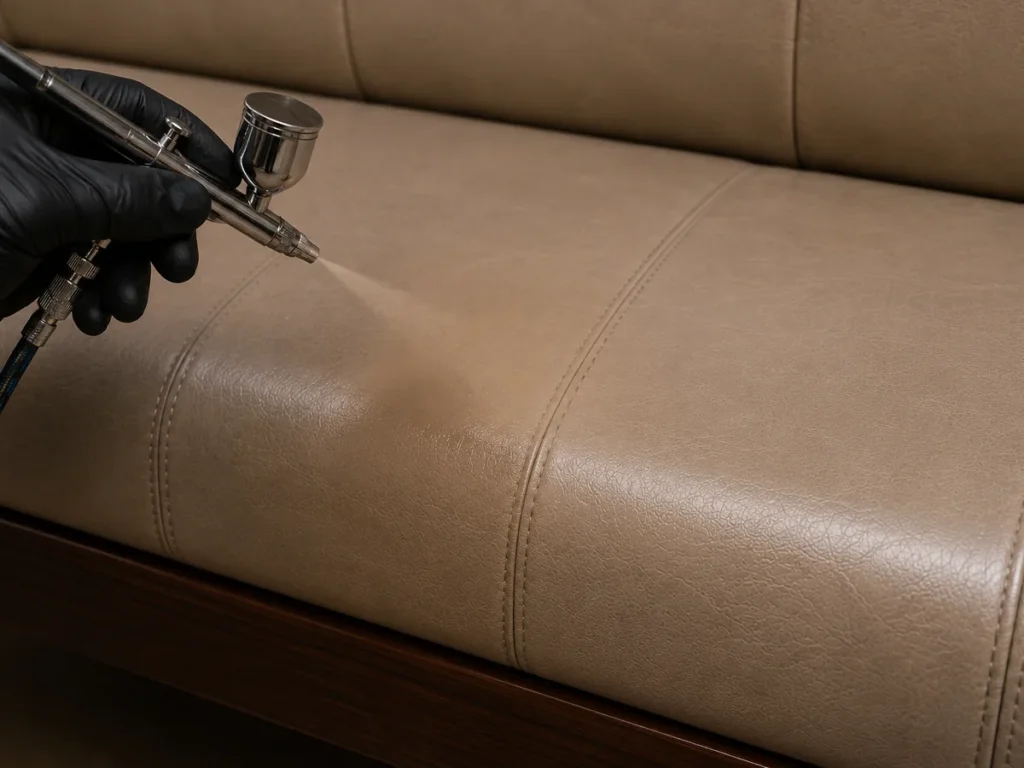
A pair of colors can sit side by side and agree in one kind of light, then drift apart in another. The term for it is metamerism. It explains why a shade approved in daylight, at a bench or in the back of a truck can look off once the piece is home under warm 3000K bulbs. So the skill that matters is not sharper vision. It is getting the sample judged under the exact fixtures the furniture will sit under for years, from a Greenwich lobby to a Hartford conference room. The rest of the method grows out of that.
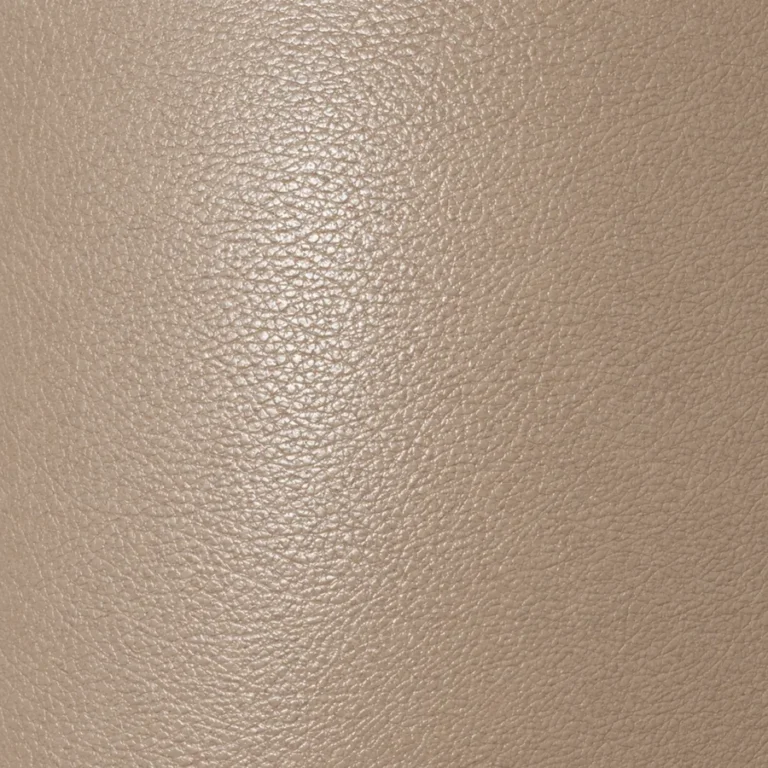
A room, a neighbor or a scheme
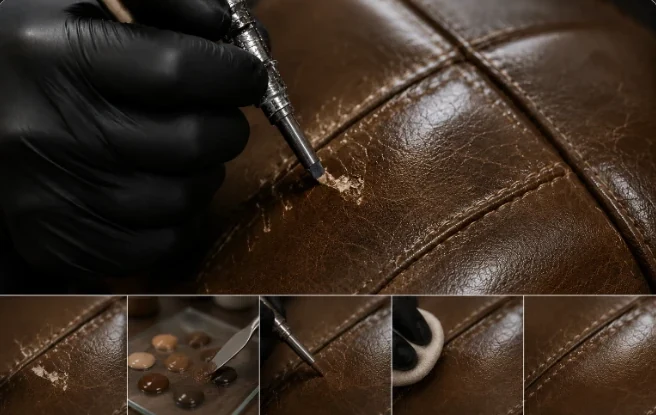
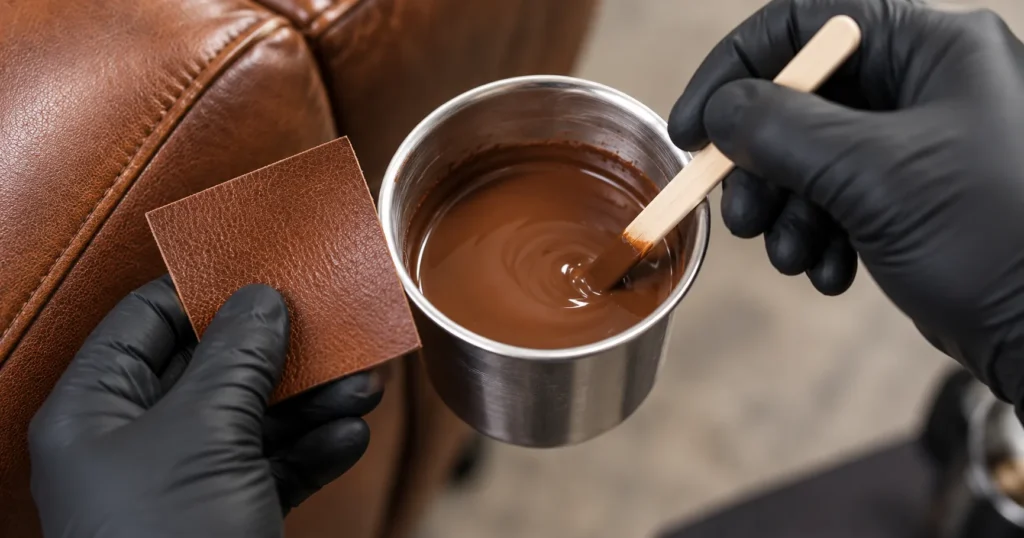
Leather color matching CT businesses request nearly always aims at one of three targets, and each needs its own approach: blend with the piece beside it, follow a palette a designer has chosen, or shift a whole room to something new.

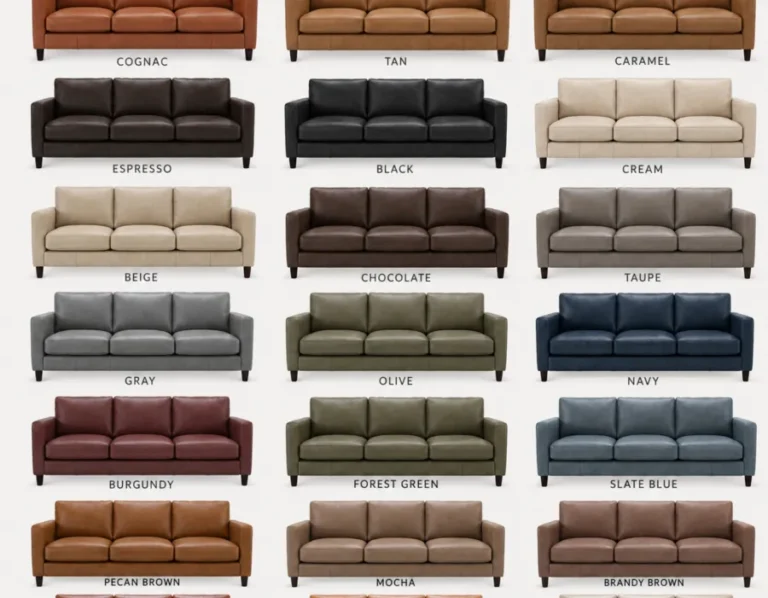
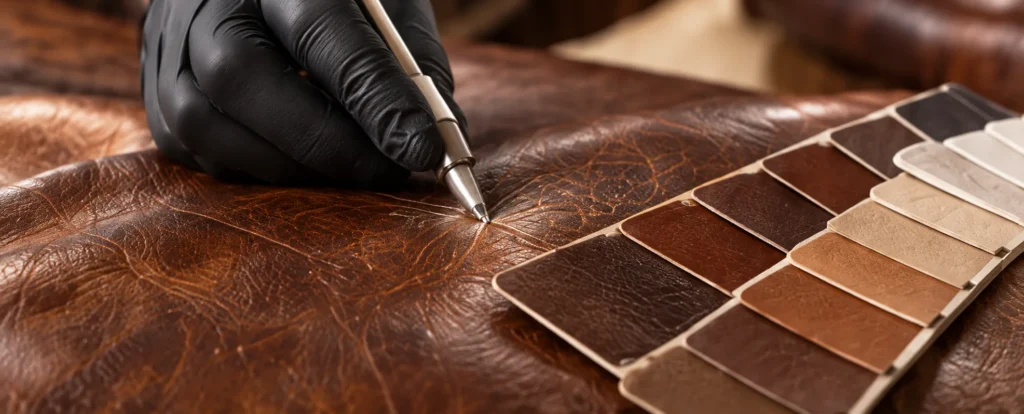
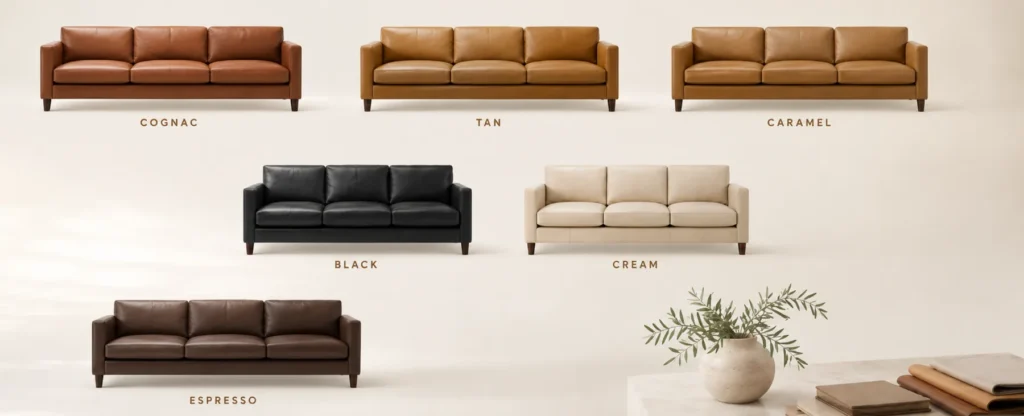
Pigment is one factor out of four
Any shop can buy pigment. Whether the result still looks right a year later depends on what surrounds it: the lighting, the material under the color, how that material was prepared, and proof that the sample had fully cured before anyone approved it.
What we manage
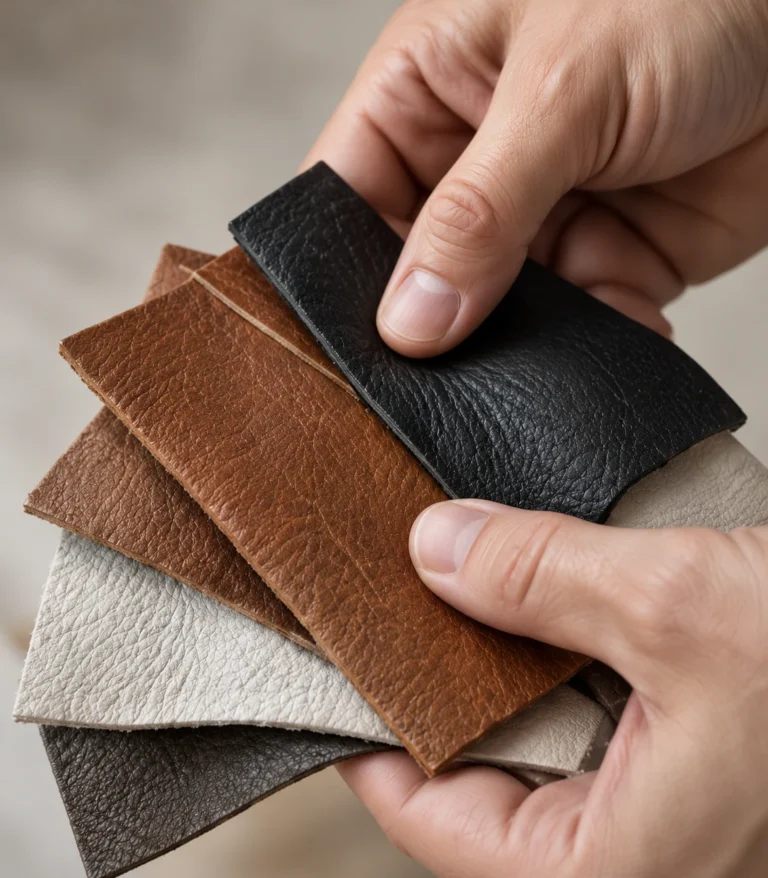 LightingChecked under your fixtures, then again by a window if the room gets daylight.
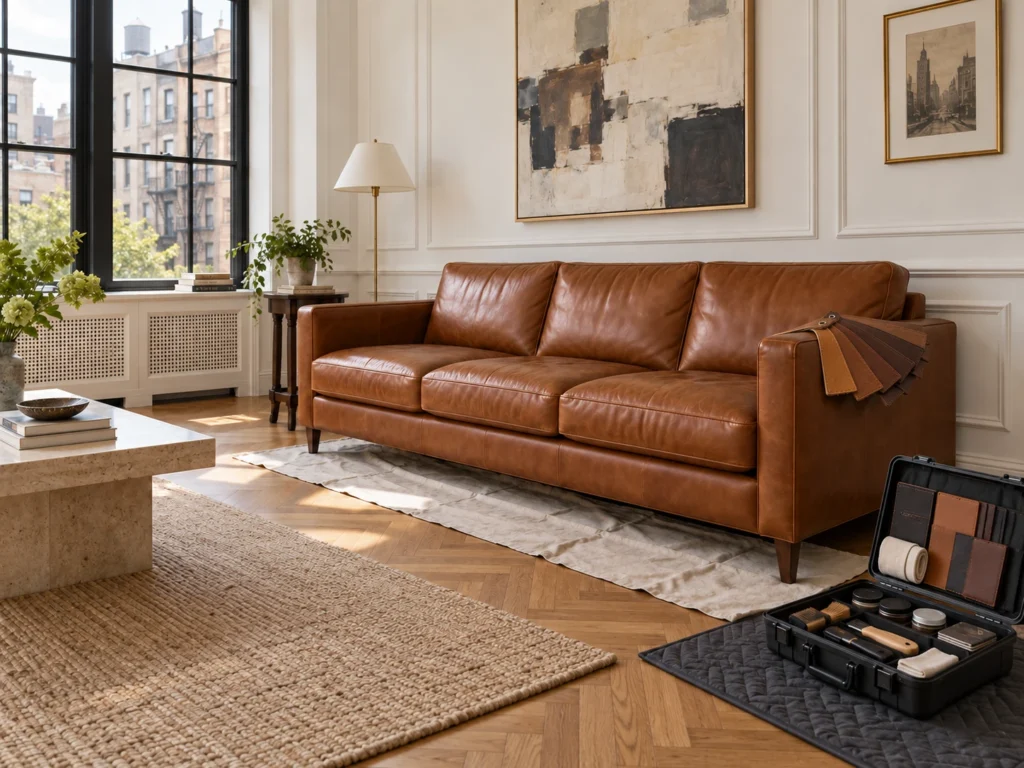 AngleGloss differences hide head-on and show up when you look across the surface.
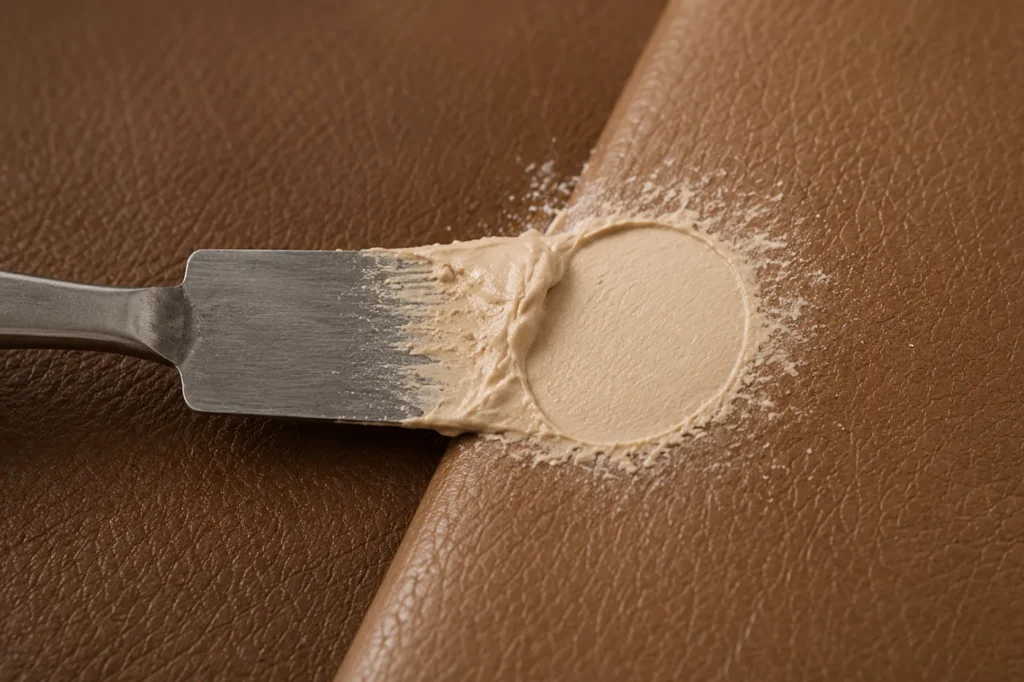 Prep workColor will not stay matched on a surface that was left dirty or slick.
What must be shown
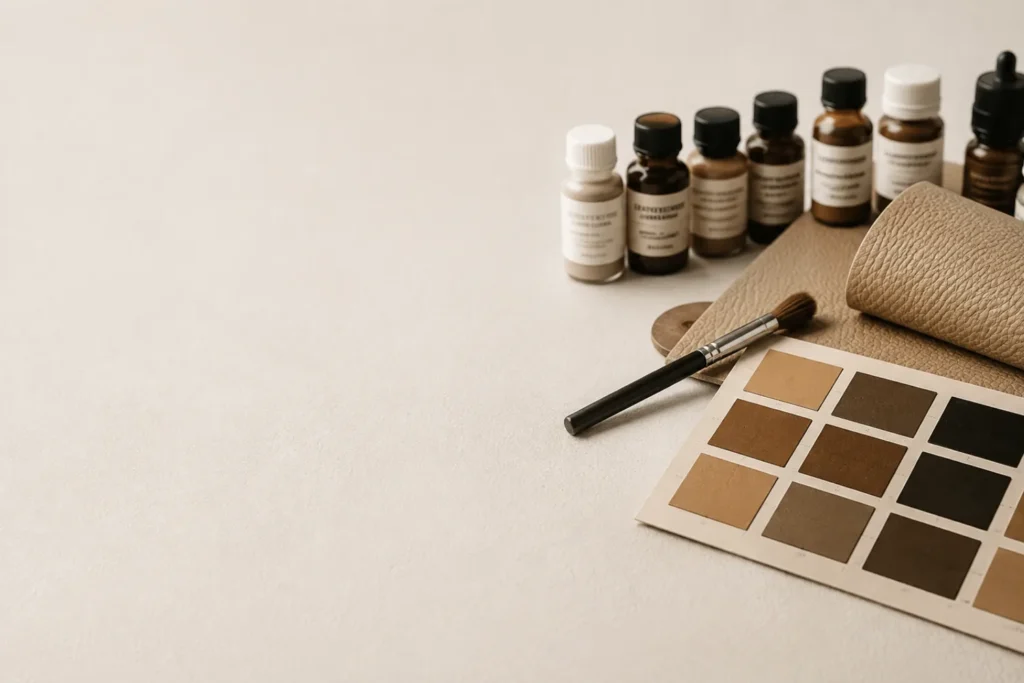 Dry before approvalPigment changes as it dries, so a wet sample shows a color you will not get.
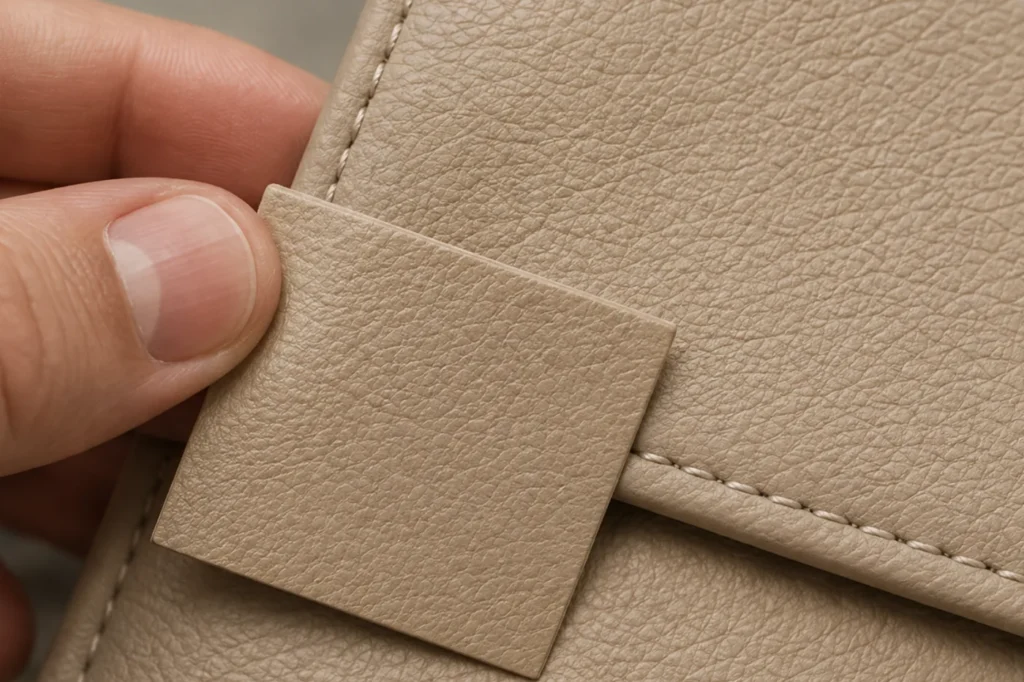 Same substrateColor that matches on paper can miss on hide, vinyl or coated fabric.
 Not the original swatchA factory chip shows the color when new, not the color the piece has aged into.
Photograph, sample, apply, log
You send photos
Of the piece and whatever sits next to it, under the room’s usual light.
We cure a sample
Made on matching material and fully dry before anyone approves it.
Color goes on thin
Several light coats, so the grain still shows and the finish stays part of the leather.
The recipe is saved
On file, so a fix next year matches this job instead of a catalog chip.
The skill, and the work that uses it
This page explains why a match holds. Bringing a whole set of seats back to one tone is color restoration, and the small-scale version lives inside a leather repair. When the original material no longer exists, the task is finding a replacement rather than mixing one: material matching.
Leather Color Matching CT FAQ
Common questions about getting a color right.
Why check the sample in our own room?
Because one pair of colors can agree in one light and clash in another. Leather color matching CT clients can rely on gets approved under the lights the furniture actually sits under; otherwise you are approving it for some other room.
Is a photo enough?
To price the job, yes. To set the final color, no. A screen adds a light source of its own, with its own color cast.
How long before the color is fully dry?
It feels dry soon after it goes on, and it cures fully over a few hours. The cure is the stage that counts, which is why nobody approves a sample before it.
Do you match vinyl and coated fabric as well?
Yes, and it is often simpler because the surface is even. Vinyl will not absorb color deeply, though, and the vinyl restoration page explains what that means.
Do you keep a record of the mix?
Yes. Saving the recipe means a repair next year matches this work instead of starting from zero.

Take the photo under your normal lights
Skip the window and turn off the flash. A picture taken under the room’s usual fixtures is the only kind that helps us judge the color.
Or call (347) 310-7483 · office@leatherrestorepro.com