

Home / Commercial / Restoration / Color
Matched to your seating, kept on file · ConnecticutCommercial Leather
Color Restoration CT
Seating that has gone patchy, blotchy or faded, brought back to a single tone. Commercial leather color restoration CT businesses ask for should be mixed against the seating as it looks today, not the shade it was sold in.
Mixed to your seatingApproved on a cured drawdownCall (347) 310-7483

Your seating is now a custom color
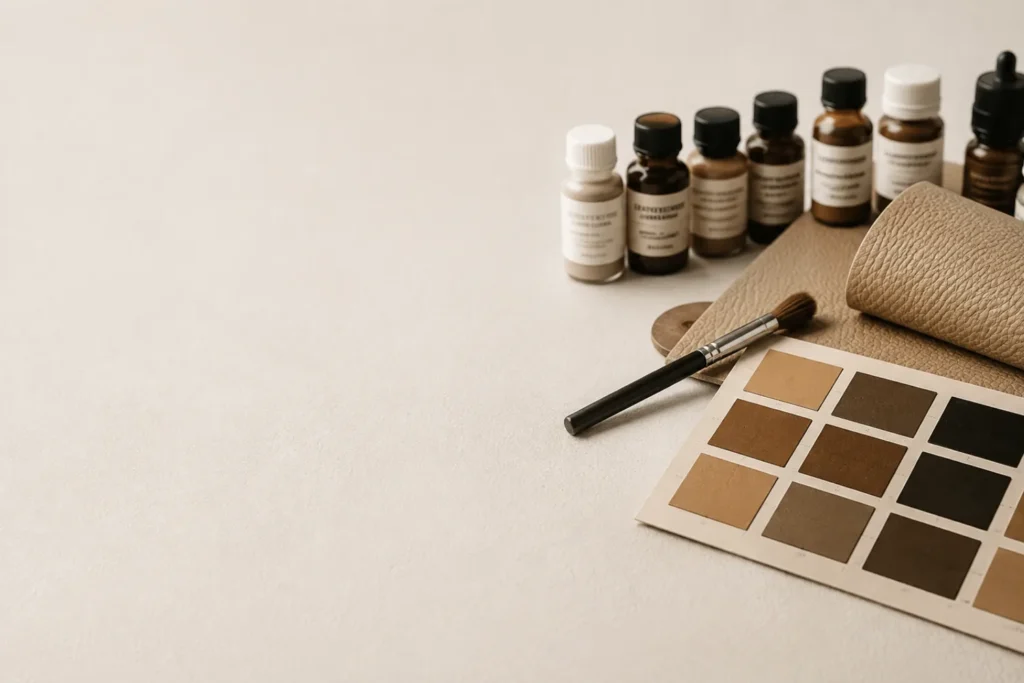
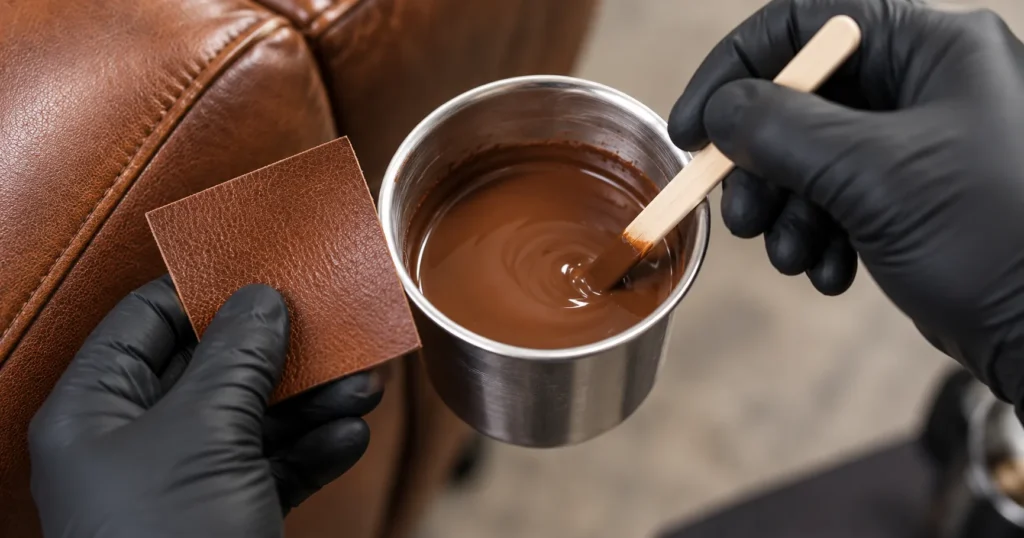
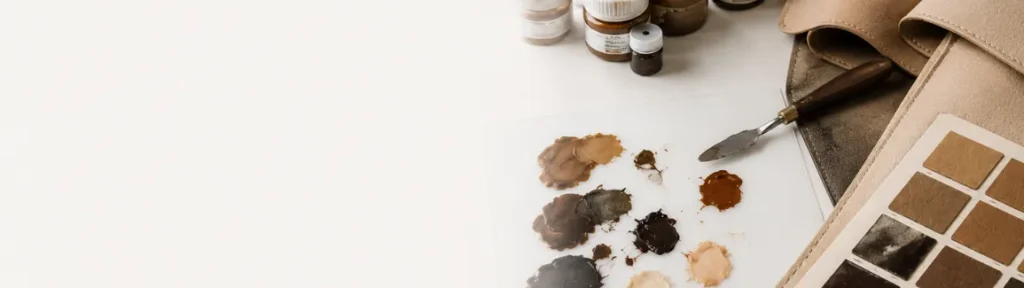
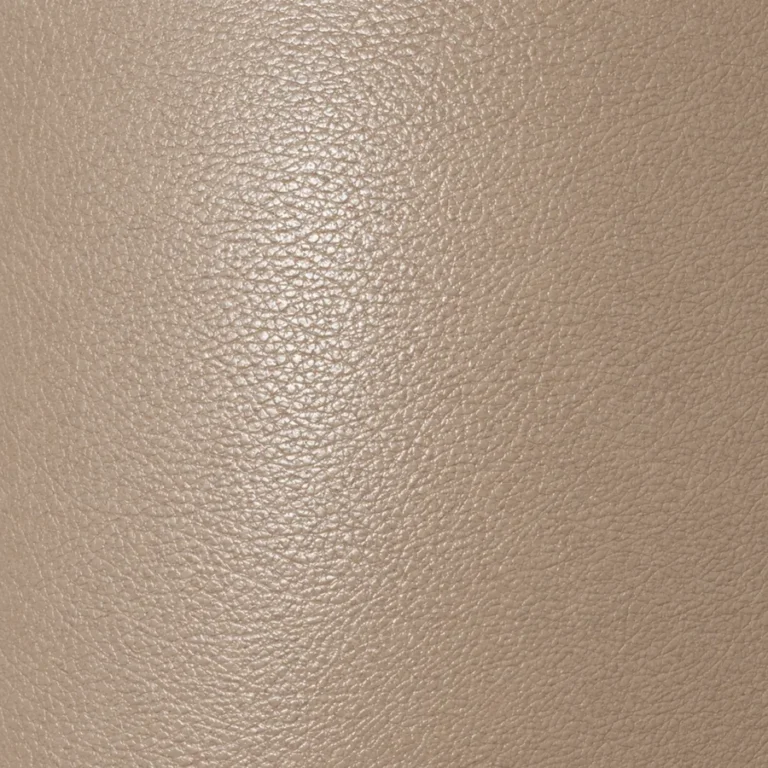
Treat the factory swatch as a record of where the seating started. Six years of your lighting, your foot traffic and your cleaning routine have pushed each panel a different distance from it, with the seats nearest a window drifting most. Restore to the original shade and the restored pieces become the ones that stand out. We mix against the seating as it is now, then write the formula down, because a repair eighteen months from now needs to match this year’s seating, not a discontinued SKU.
Six stages, and the color goes on fourth
The bulk of commercial leather color restoration CT jobs is preparation and proving. Spraying pigment takes a small share of the time, and color rushed onto a surface tends to leave it just as fast.
Four inputs, and the swatch is not one of them
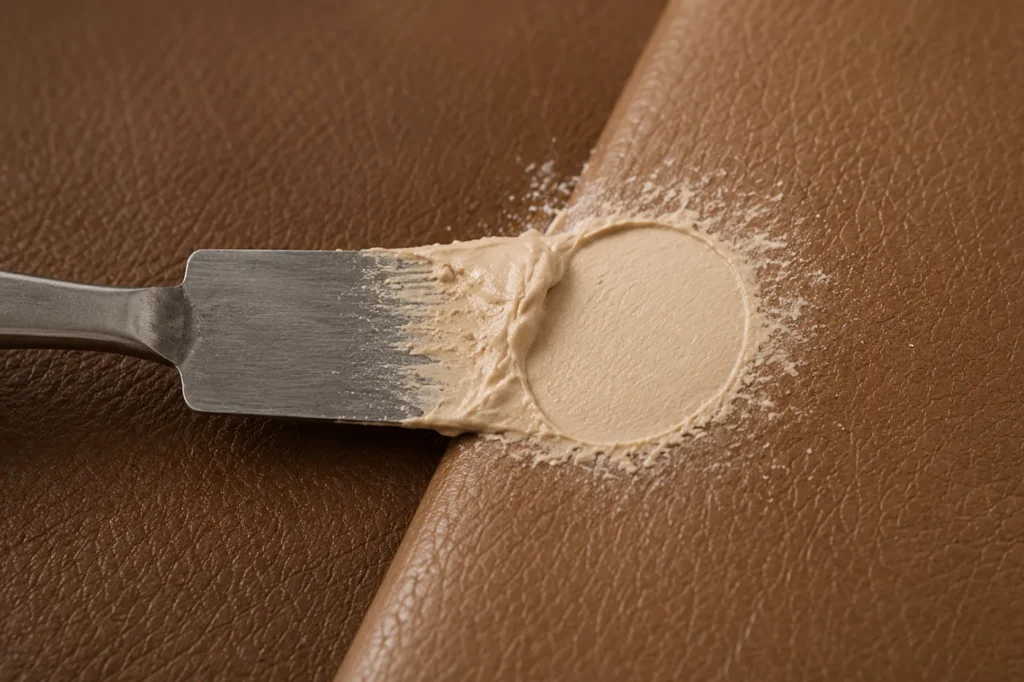
A match sounds like a job for a good eye and a swatch book. On commercial seating it takes four distinct calls, and misjudging the substrate is how a flawless color ends up failing within a month.
What we assess
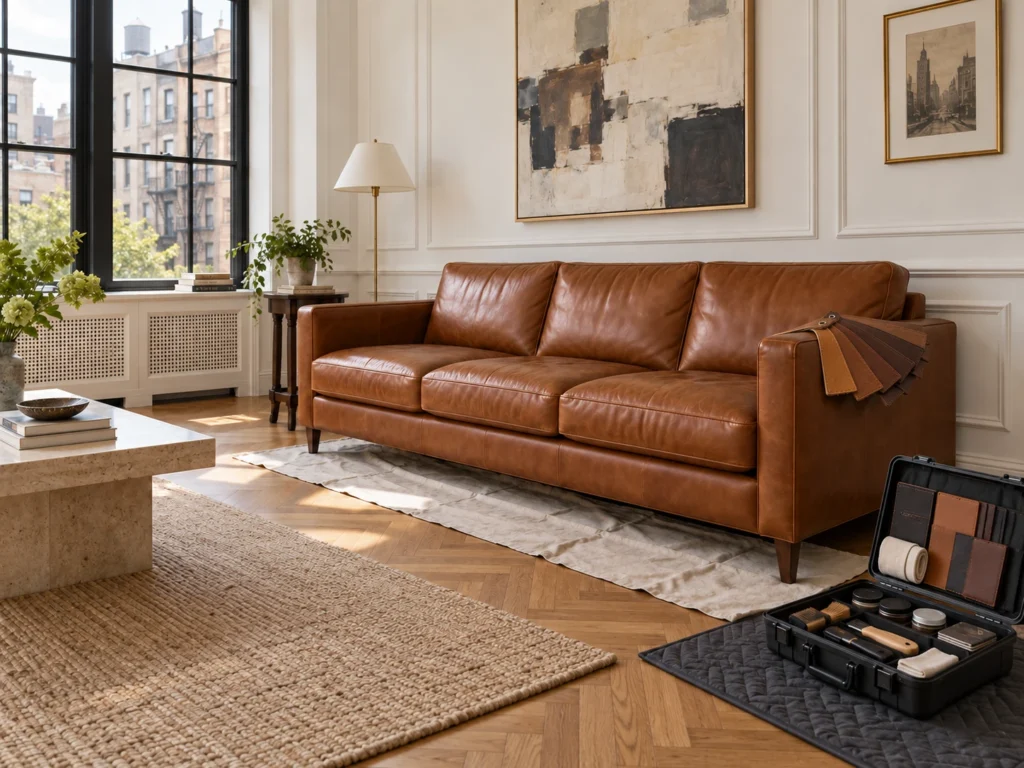 Your lightingFixtures change how color reads, so the color is judged under the light the seating actually lives in.
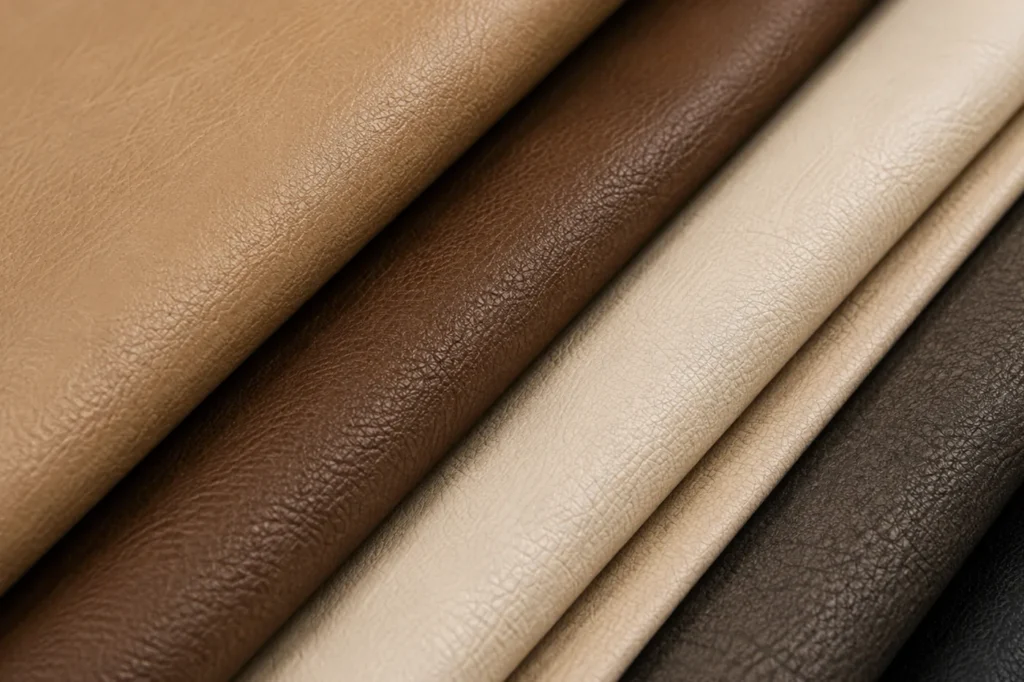 The substrateHide, coated fabric and vinyl each accept pigment in their own way.
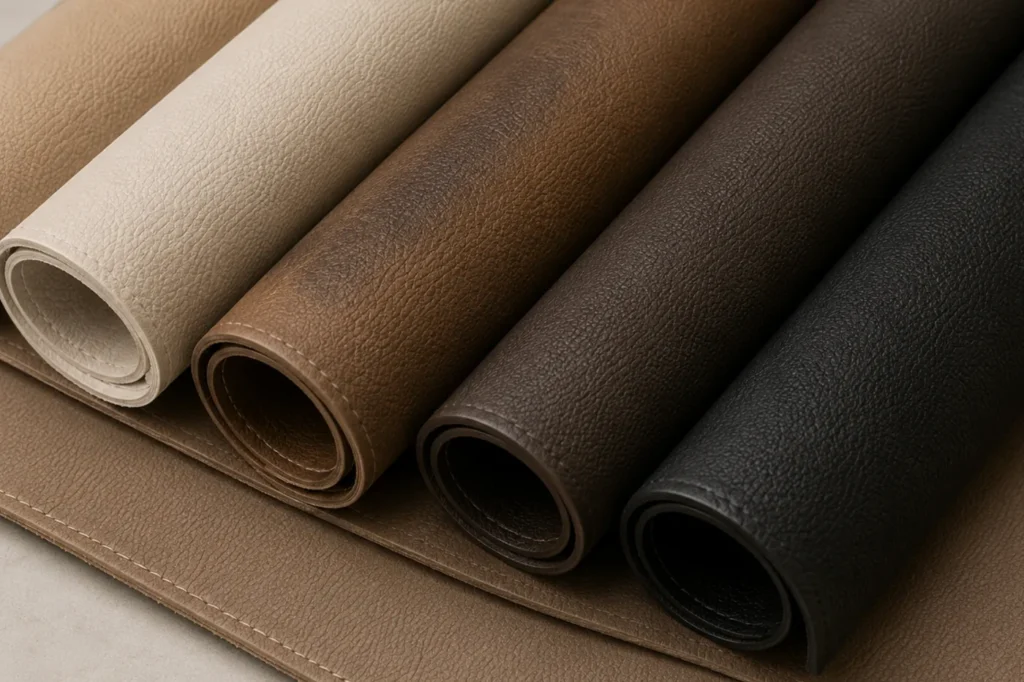 The adjacent piecesSeats on either side define the target; the catalog does not.
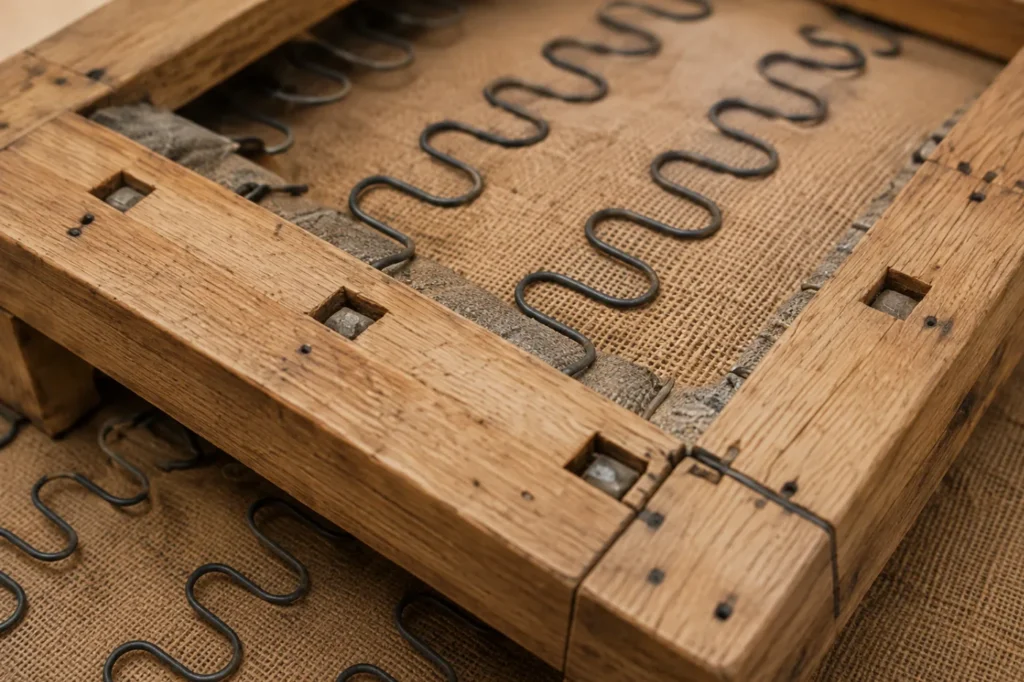 How it woreWhere color has worn away tells us how many coats to rebuild.
What we keep on record
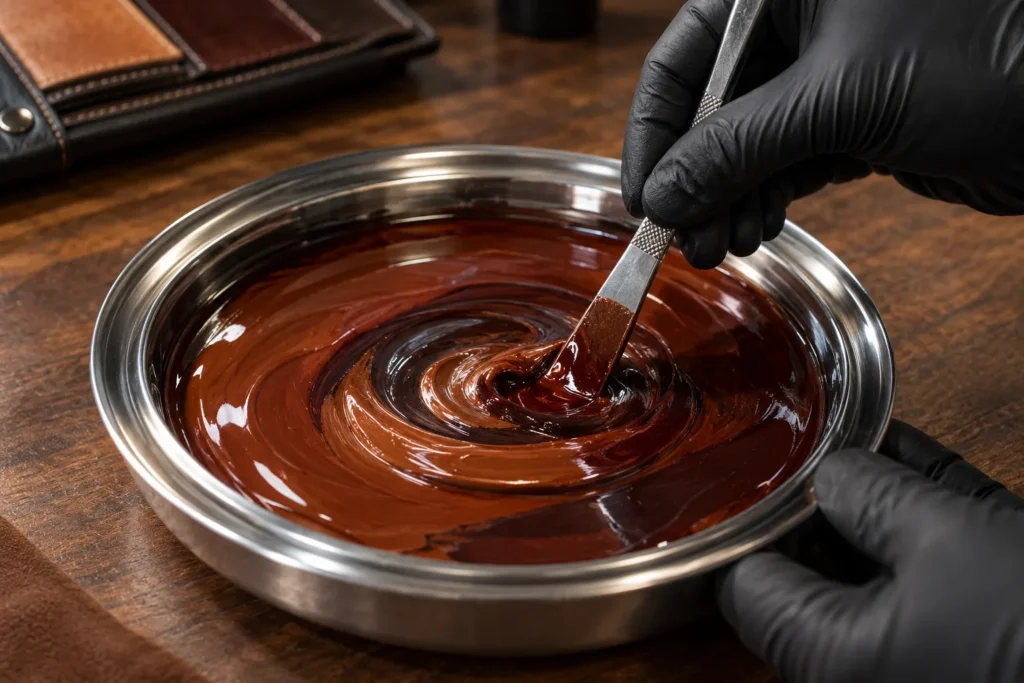 The formulaSo the identical color can be mixed again a year later.
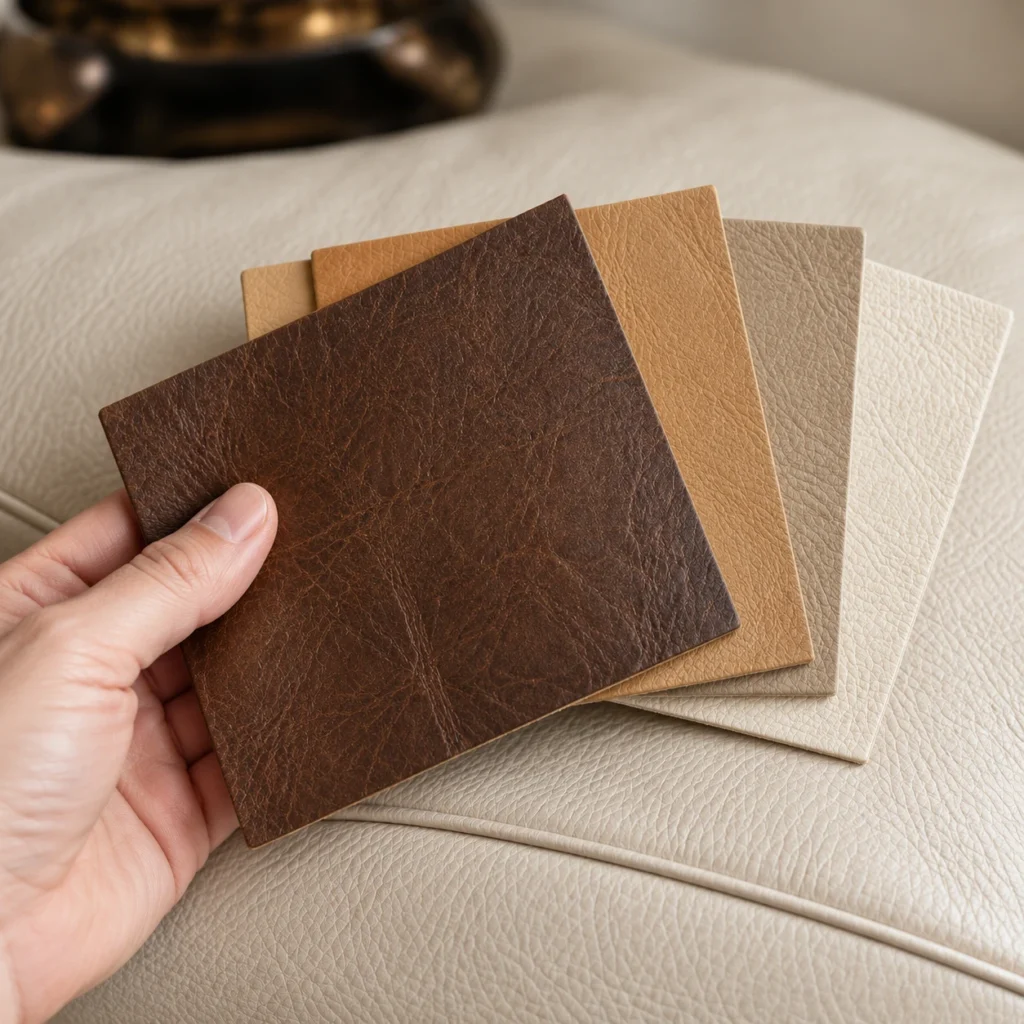 The signed-off sampleHeld on file, which ends any debate over what was approved.
 The gloss levelLogged as a measured figure, not a description.
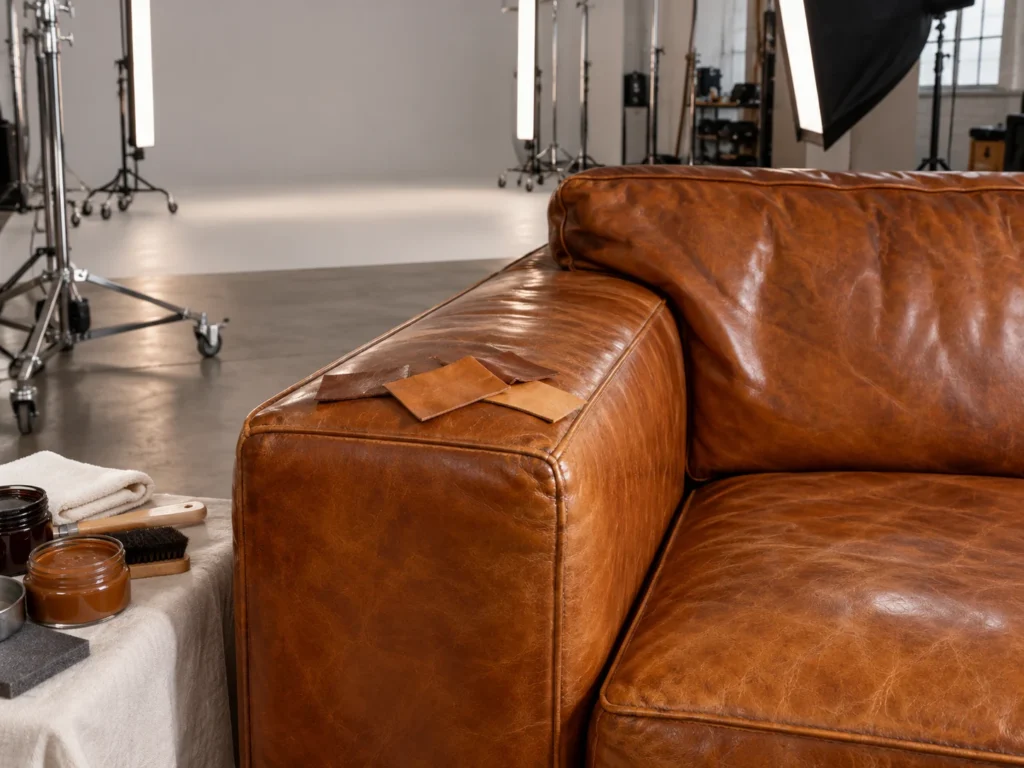 PhotographsBefore, drawdown and finished, all shot under one light.
Prepare, prove, apply, record
Clean and scuff
Pigment will not hold on dirt or old conditioner. Most of the prep is here.
Drawdown before anything
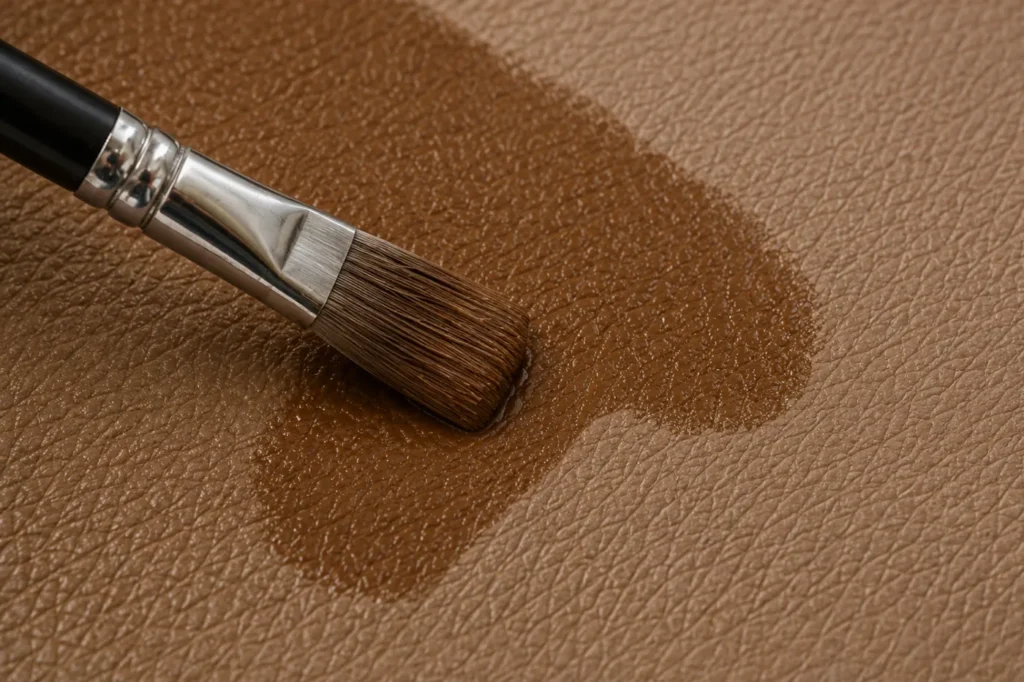
A cured sample on the same material, checked under your own lights before work goes ahead.
Layer thin coats
The grain keeps showing through and the color never sits like a skin.
Seal, cure, file
Sealed to the approved sheen, cured, and the formula logged.
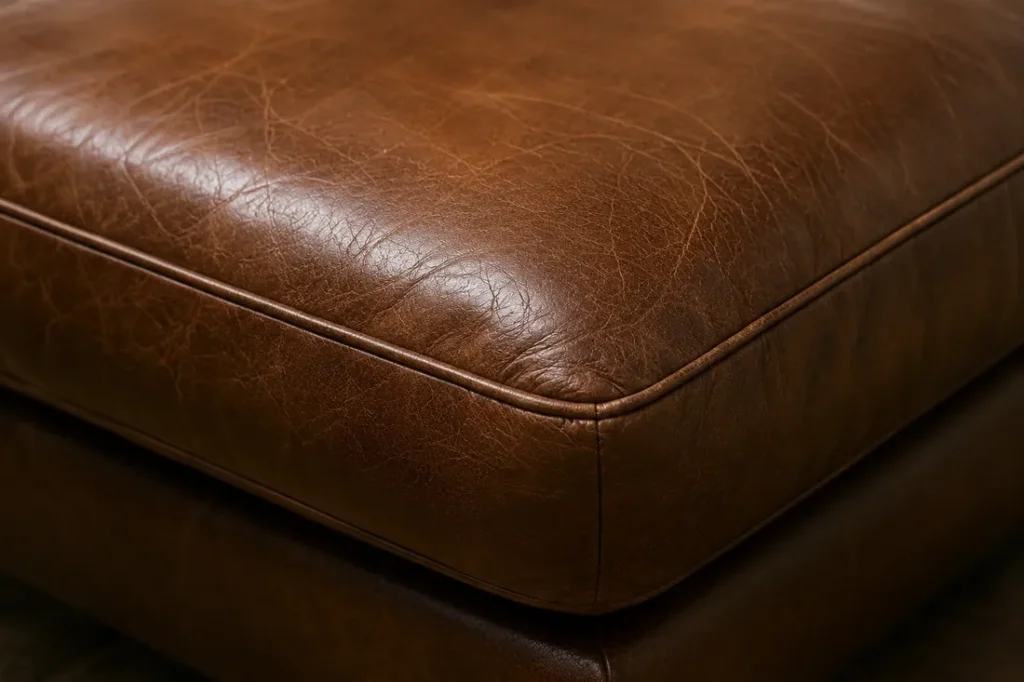
One tone, across the run
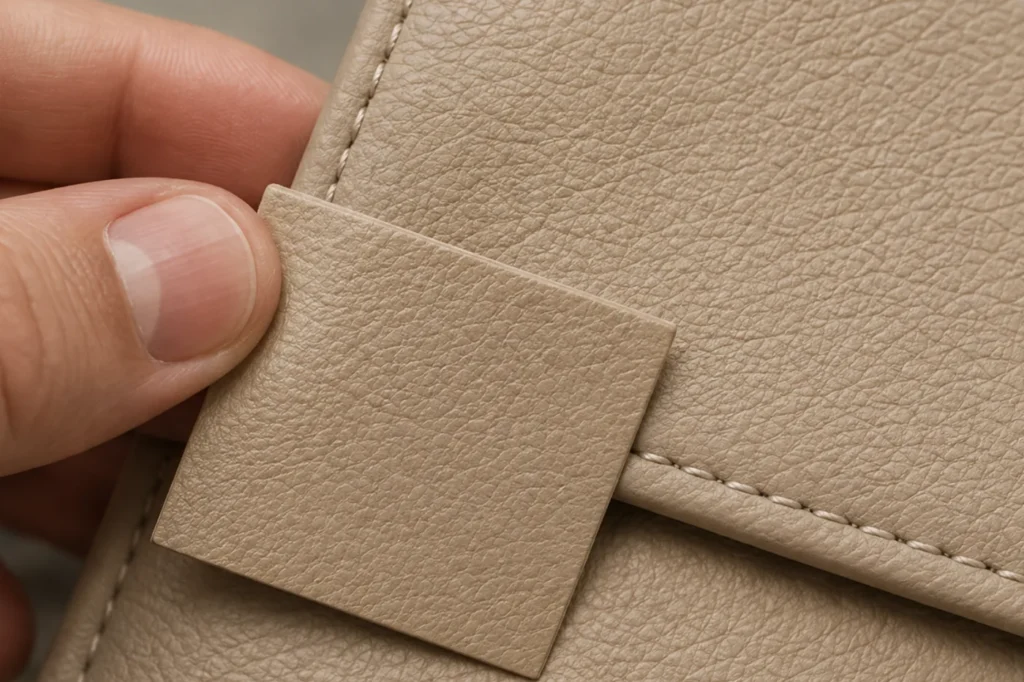
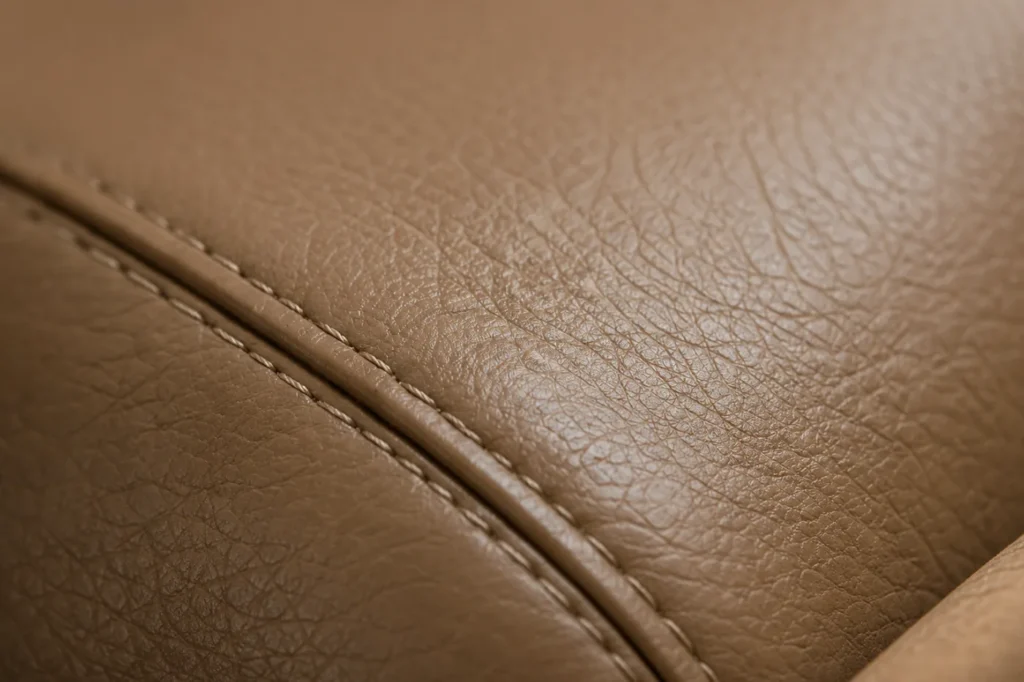
No piece in this set was recovered. Color was built back to the seating’s own shade and sealed to match the sheen on the remaining pieces, so nothing that was restored looks newer than its neighbors.
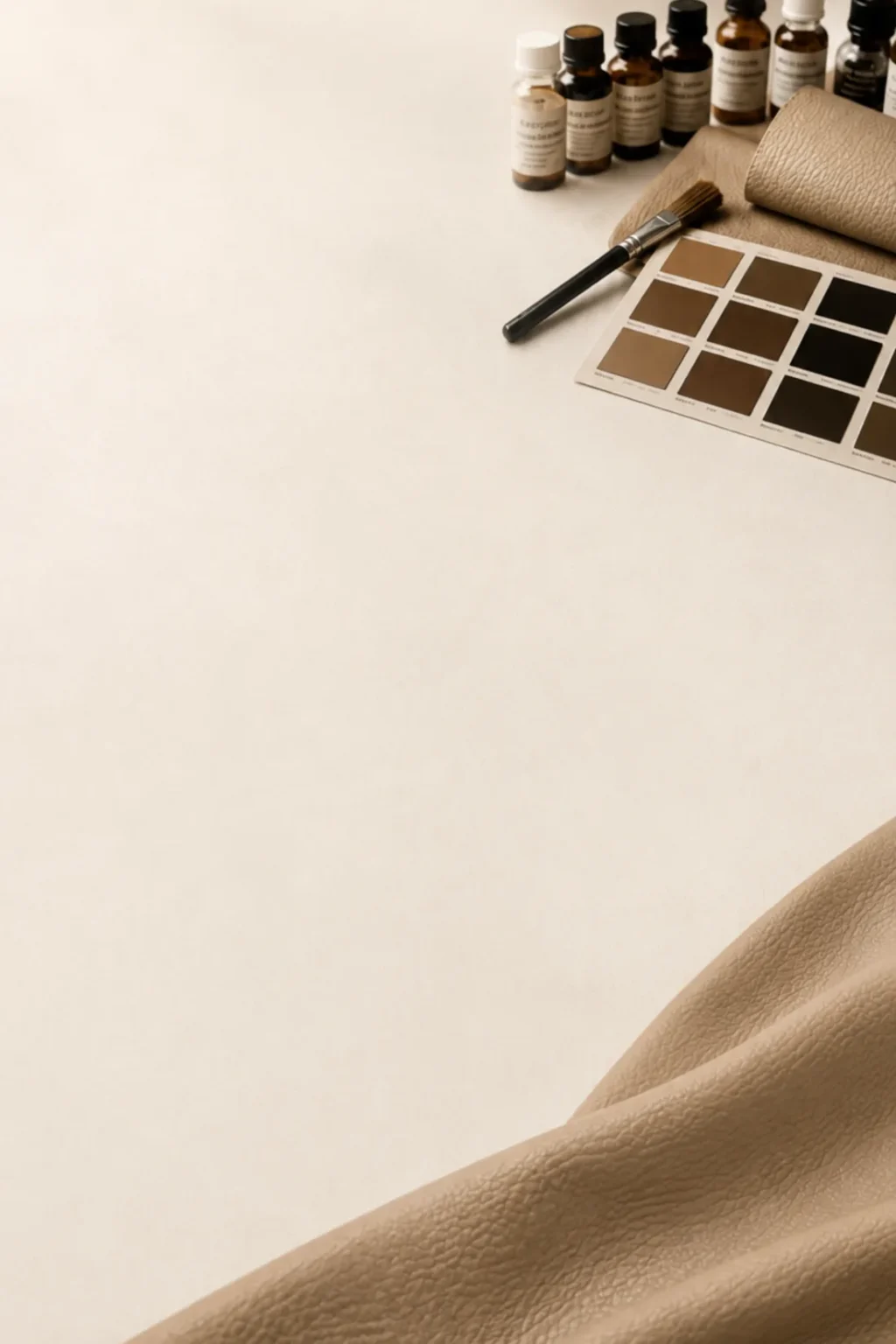
Color is the middle option
When only one panel is damaged and everything else is sound, you need a leather repair, with color as one step of it. When the leather cracks as it flexes, new color will crack along with it, and new covers are the better spend. The limits of what restoration can do are laid out plainly on our restoration page.
Commercial Leather Color Restoration CT FAQ
Common questions from operators about color.
Can you match the color it was originally?
We match the seating around the repair instead, which is the better target. A few years in, none of your pieces is still the original shade, so commercial leather color restoration CT work is aimed at the seats on either side.
What is a drawdown?
The mixed color brushed onto the same material and left to cure, then checked under your own lighting. Color looks different wet than cured, so no one signs off until the sample has dried.
Will color come off on clothes?
Not after it has been sealed and cured. Transfer happens when color was never sealed, or the piece went back into use before it had cured.
Can you change to a different color entirely?
Yes. Across a full run it costs far less than new covers. Going darker is easier than going lighter.
Is the formula kept?
Yes. That is why we record it: a touch-up next year matches our work, not a catalog.

Send photos of two pieces
One that has faded, and one you want it to match. We mix the color against that pair.
Or call (347) 310-7483 · office@leatherrestorepro.com