
Home / Commercial / Reupholstery / Leather
Contract-grade hide, chosen for the space · ConnecticutCommercial Leather
Reupholstery CT
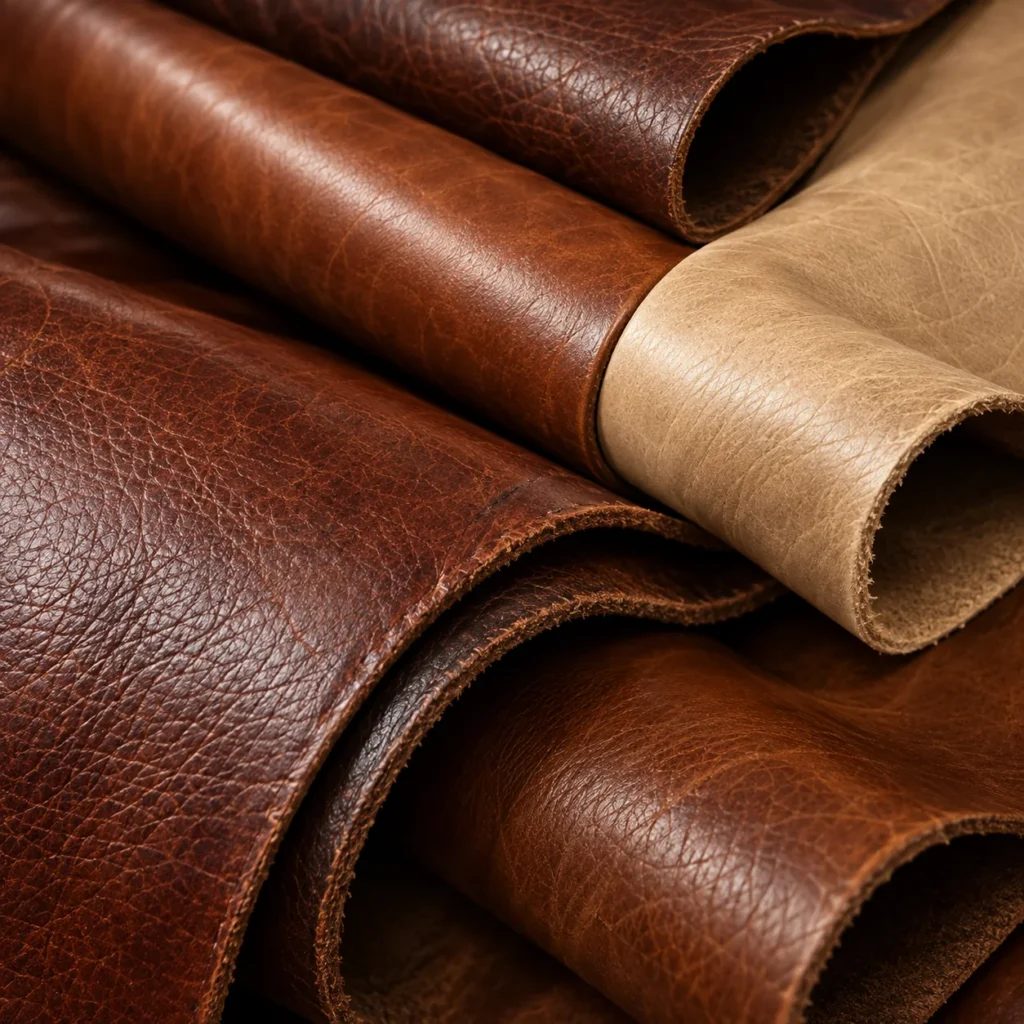
Fresh hide for booths, reception seating and conference chairs. Commercial leather reupholstery CT businesses can depend on calls for contract-rated hide, a much narrower category than the leather you might pick for a family room.
Only rated hideAbrasion rating documentedCall (347) 310-7483
Contract hide is a spec, not a style
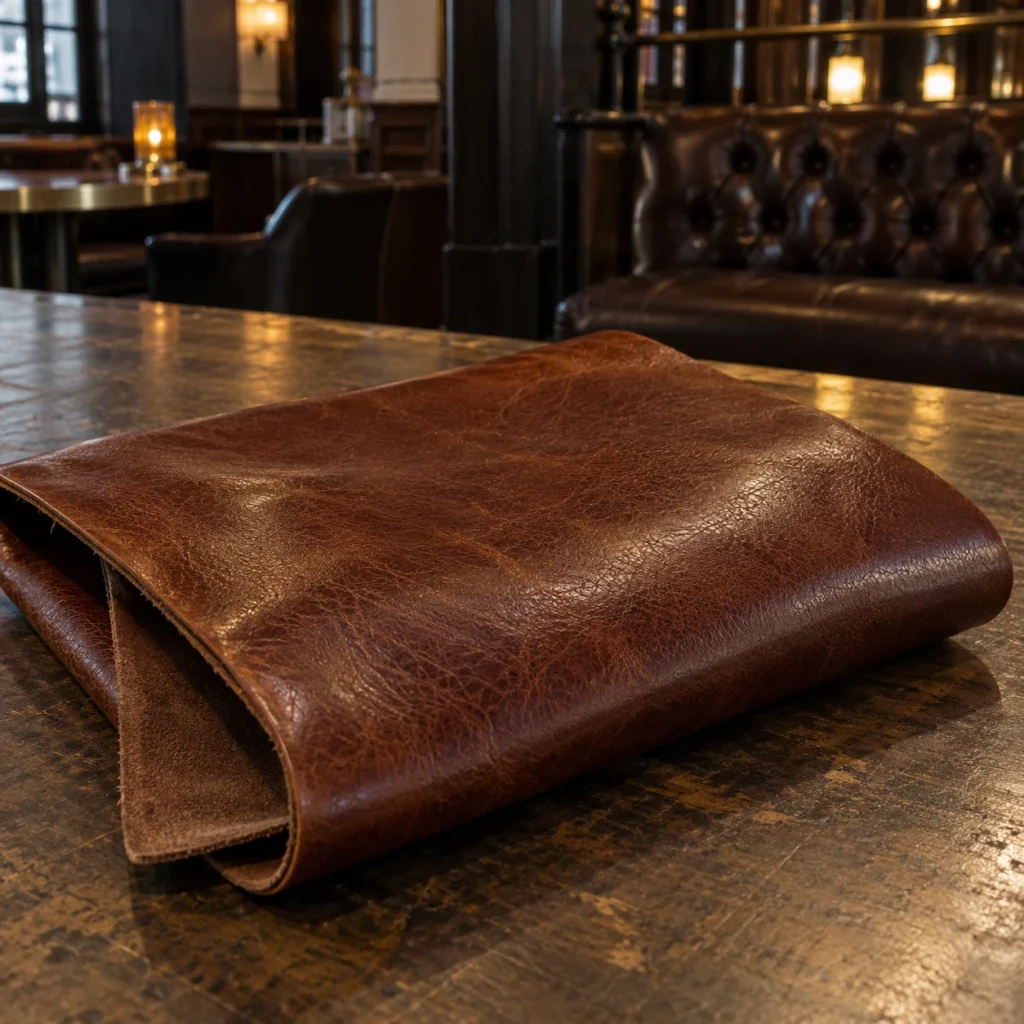
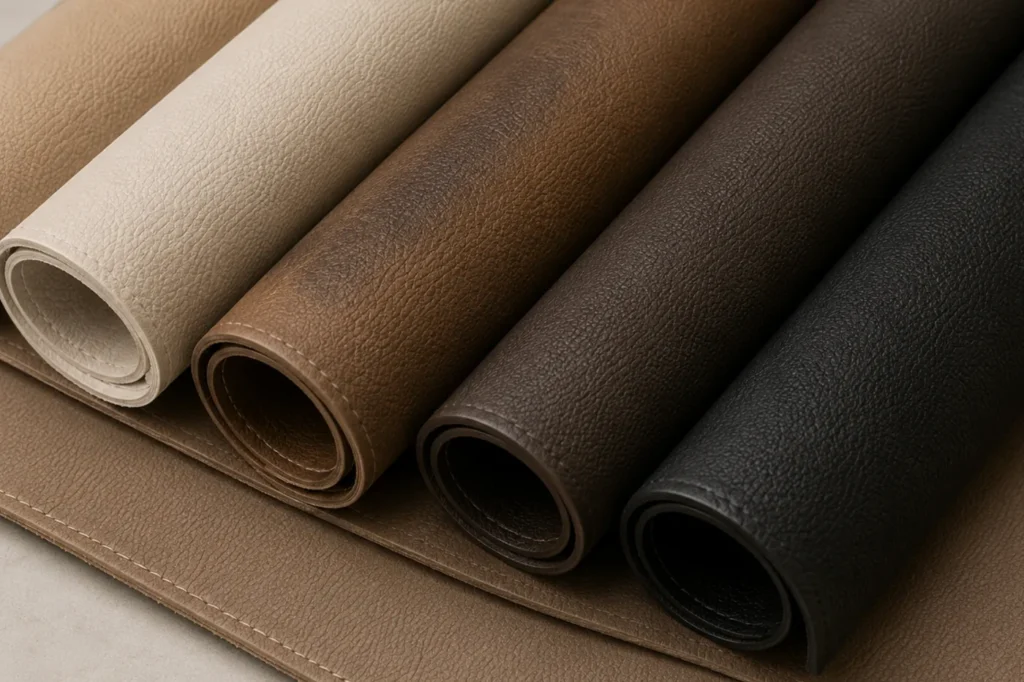
Contract leather is set out in numbers rather than adjectives: a minimum thickness, a protective pigmented finish and a published abrasion rating. Furniture-grade aniline feels softer and warmer and is a pleasure to touch, yet in a public space it lasts about a season — every spill leaves a mark, and nothing in a commercial kitchen’s cleaning cupboard is safe on it. So the opening question on a commercial project is not which leather appeals to you. It is what the hide is rated for, and whether that rating holds up in your space.
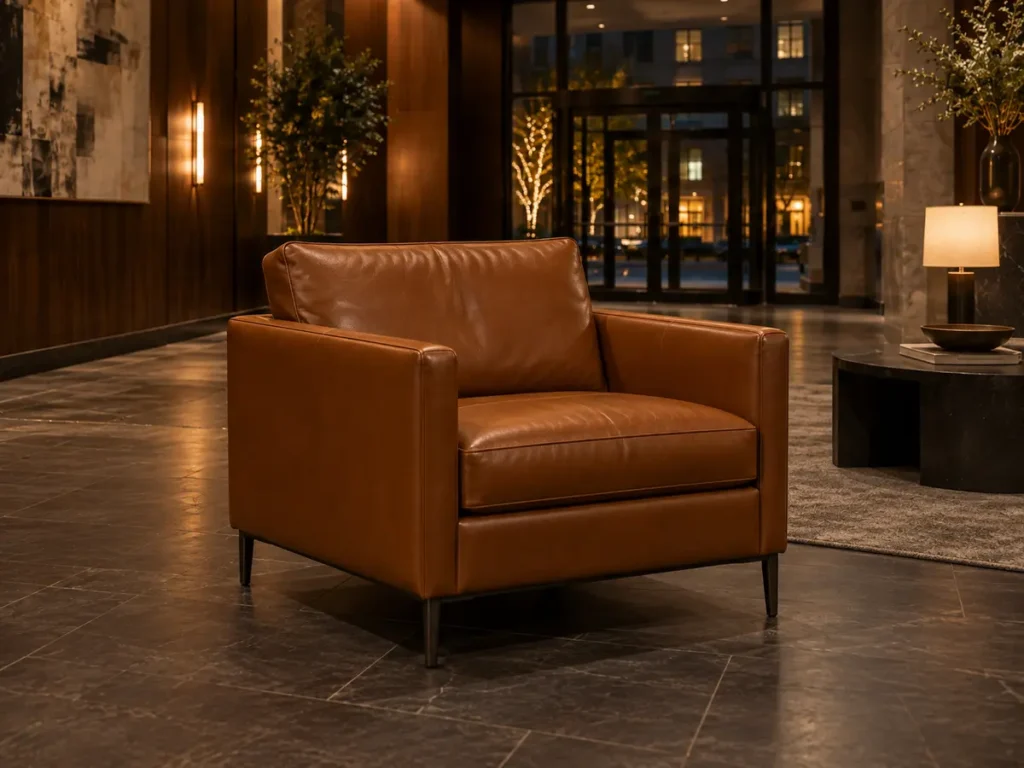
Booths, reception areas and conference rooms
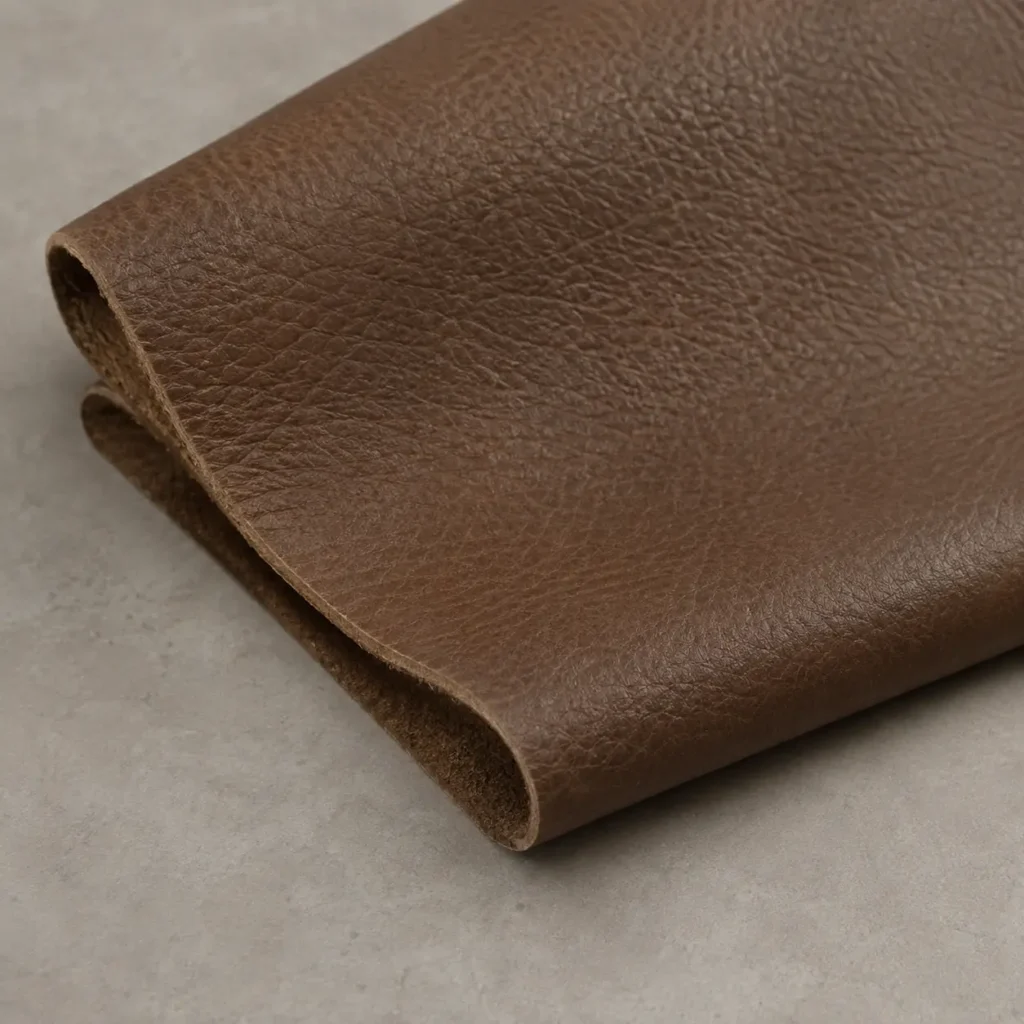
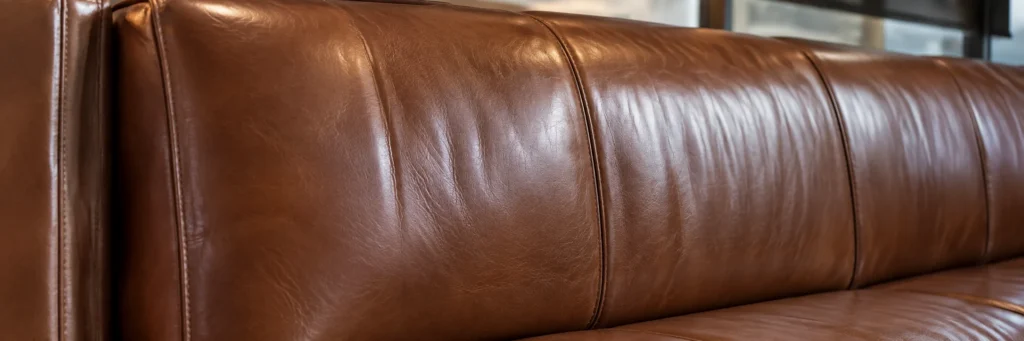
Commercial leather reupholstery CT owners pay for earns its cost where a piece is both seen and handled all the time. Where it is only seen, matching vinyl on the outer backs saves real money and nobody can tell.
It all comes down to abrasion
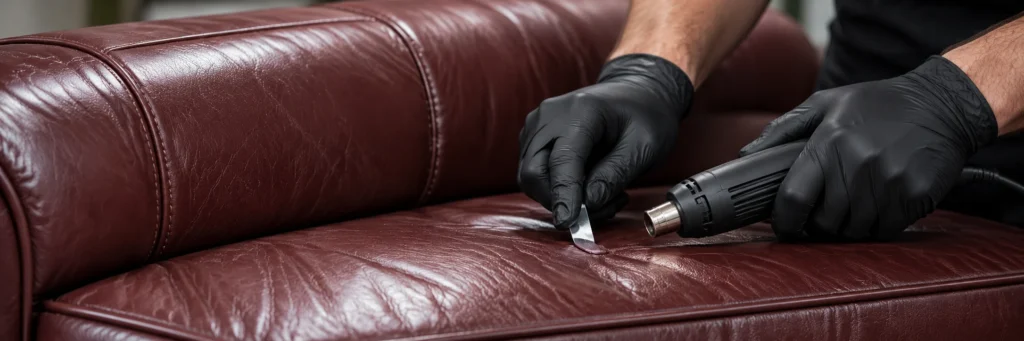
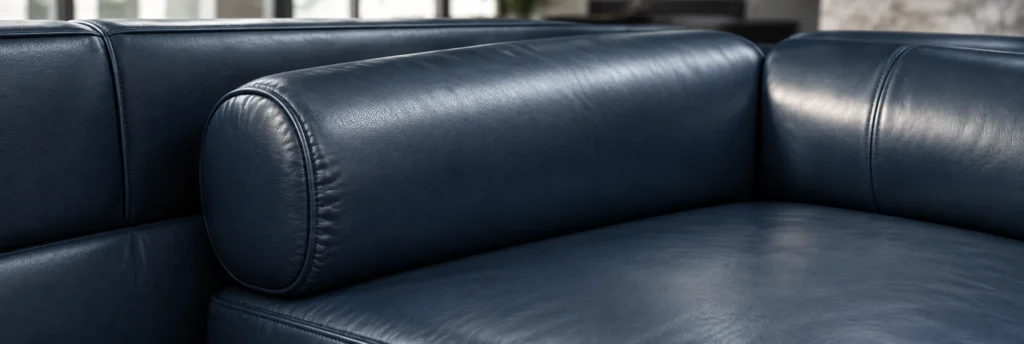
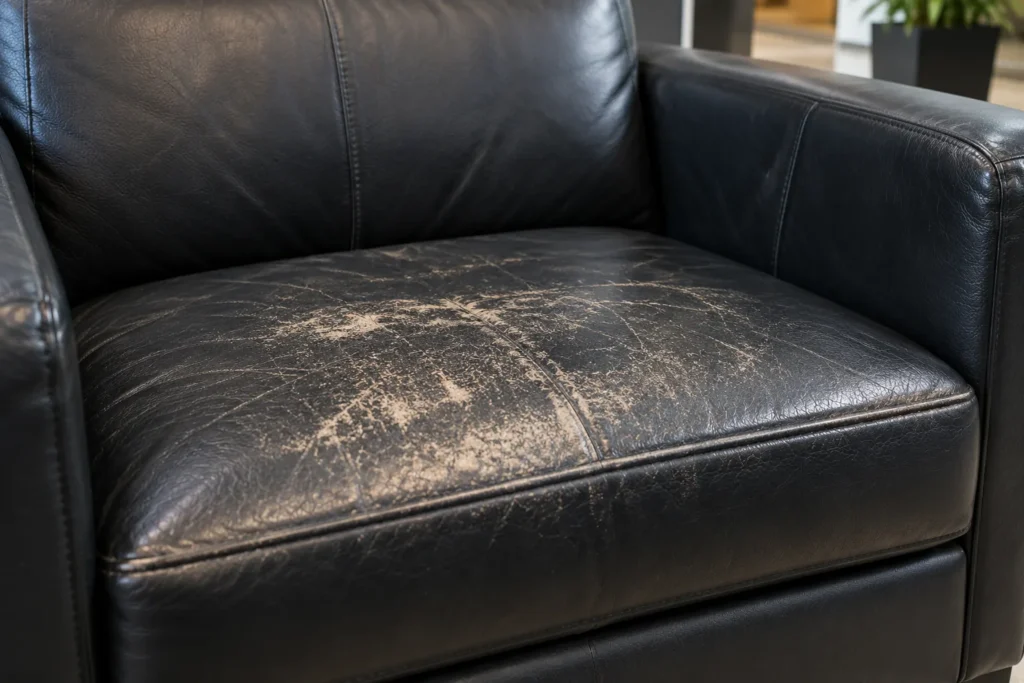
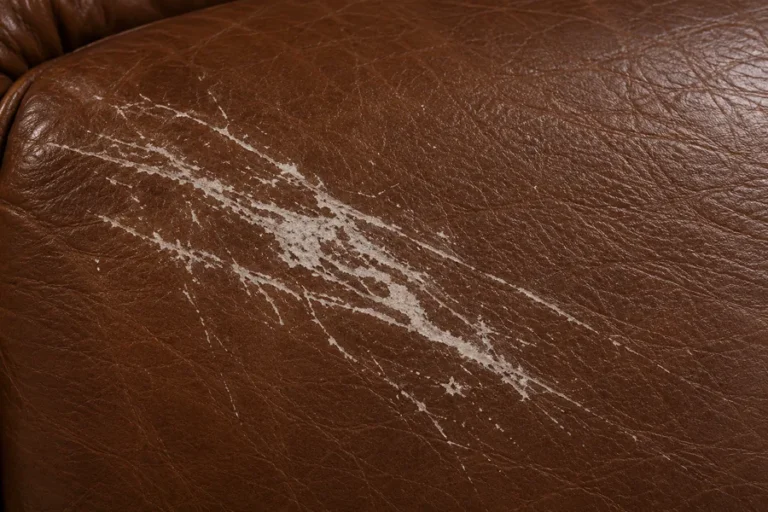
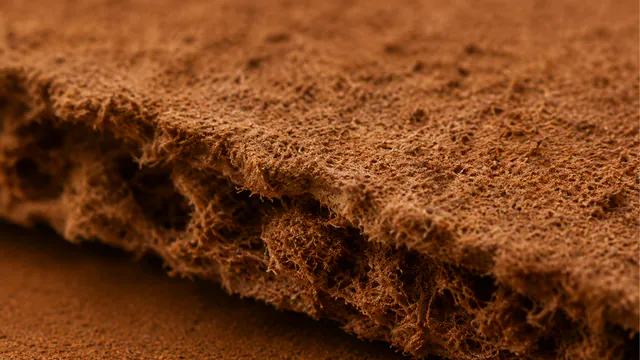
The left column shows abrasion at work, and the rating on the spec sheet determines how quickly it gets there. The right column shows what appears when the wrong material was chosen to begin with.
Where wear happens
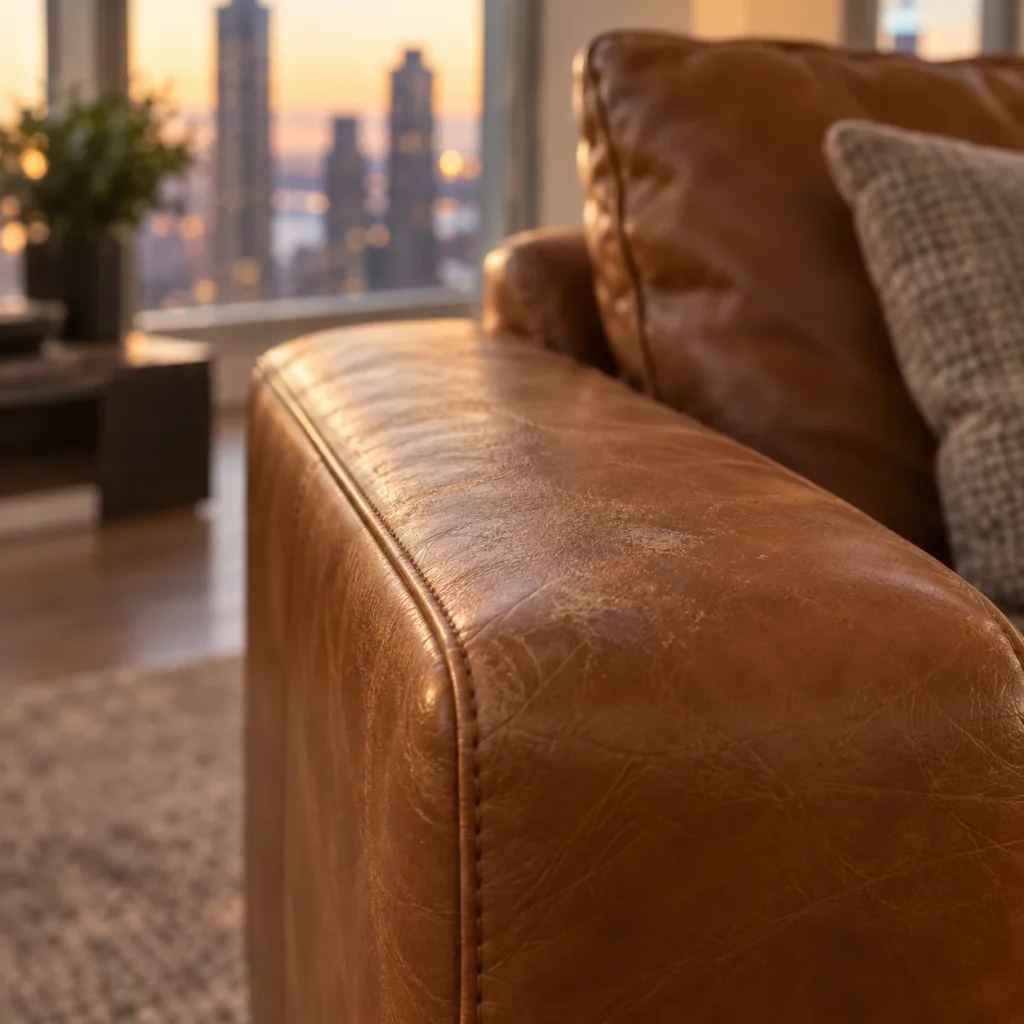 Tops of armsSleeves, bags and palms, thousands of contacts every week.
 Outer backsRubbing against walls, carts and other chairs.
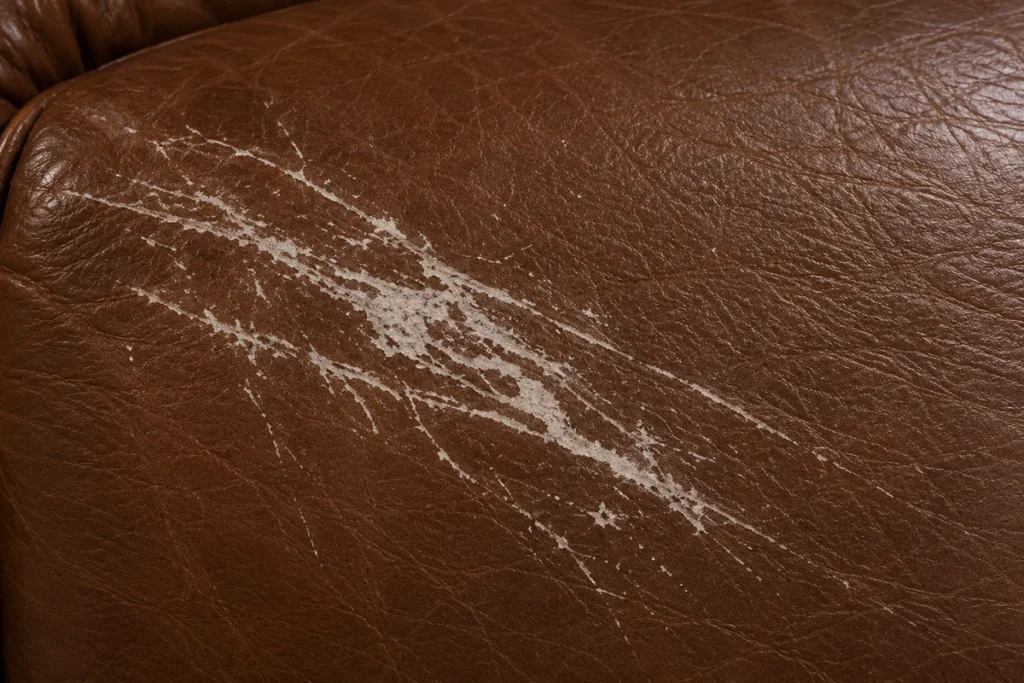
 Topcoat goes firstThe finish wears before the hide does, which is why the rating counts.
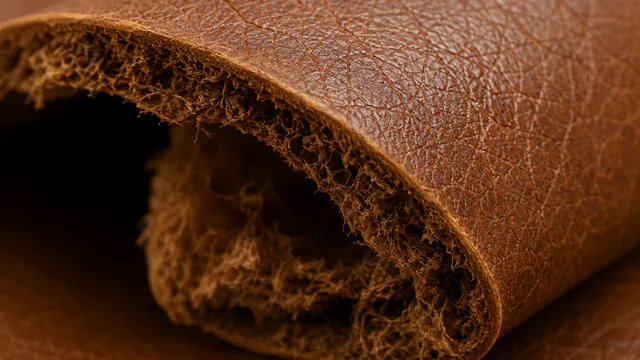 Grain goes nextAfter the grain is worn through, color work becomes a patch and not a fix.
Wrong material, discovered too late
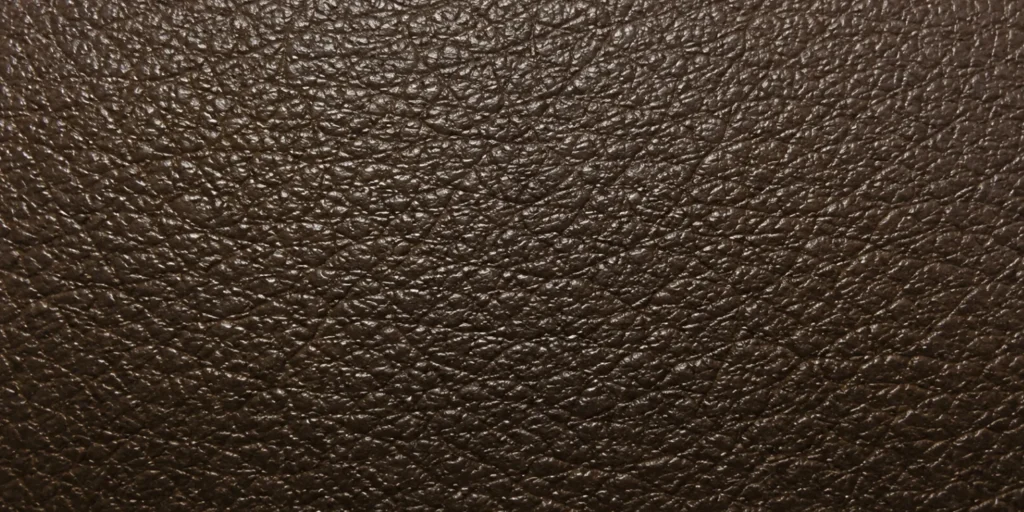 Breaking-down coatingSold as leather, turns sticky, and no cover supplier will stand behind it.
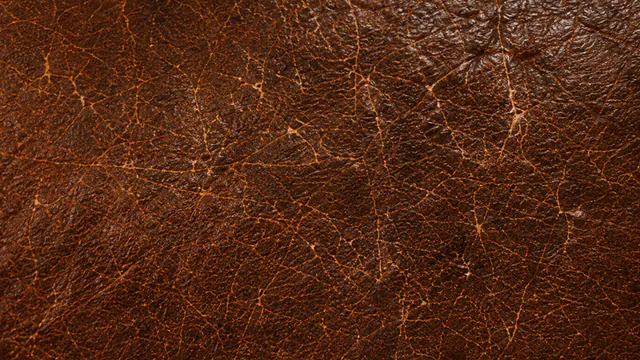 Split leatherA thinner, weaker layer used where full grain was called for.
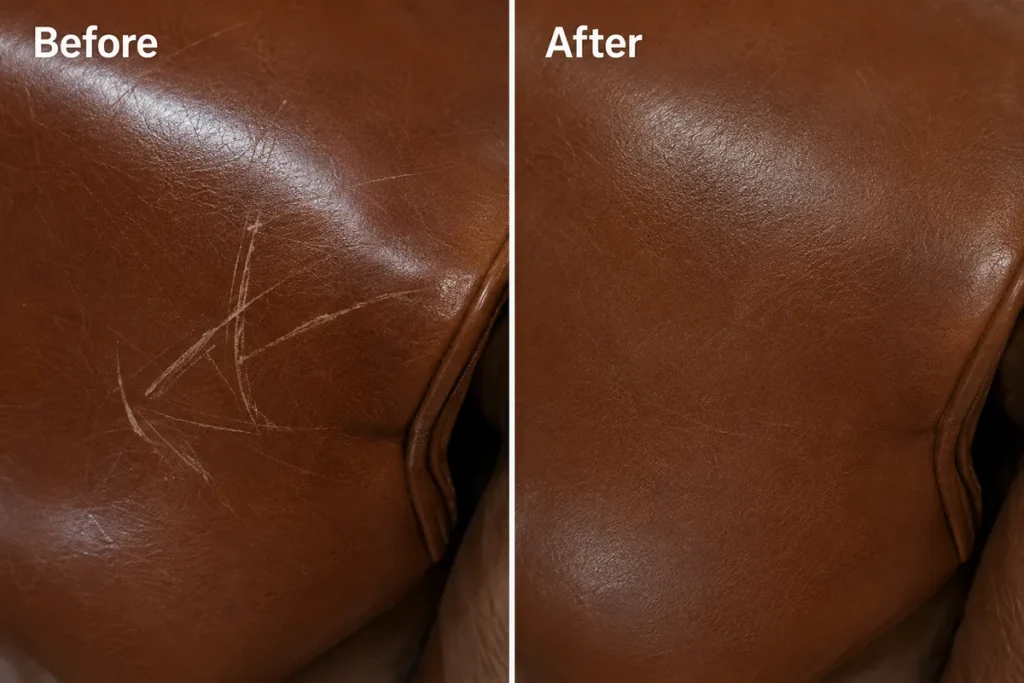 Early scuffsWithout a protective finish, scuffs show in weeks instead of years.
 Edges giving wayThin hide over a hard front edge splits right along that line.
Rate, cut, cover
Assess the space
Foot traffic, cleaning routine and what rubs against the piece. That decides the rating, not the appearance.
Shortlist rated leather
Only hides with a published abrasion rating reach your table.
Cut the run from a single batch
The rule for every cover: one batch, or the set stops matching.
Cover and protect
Covers fitted, edges sealed, and a cleaning routine written out for your team.
Before you commit a space to hide
If the current leather still flexes and just looks worn, leather restoration costs a fraction of this. If one panel has failed, you need a repair. If the space is wet or disinfected heavily, vinyl is the straight answer, however much nicer leather feels. And to see how much hide a set really uses, read our hide-yield page.
Commercial Leather Reupholstery CT FAQ
Questions owners ask about leather covers.
What separates contract leather from regular leather?
A stated minimum thickness, a protective pigmented finish and a published abrasion rating. Commercial leather reupholstery CT spaces hold up because of those three things, and furniture-grade aniline offers none of them.
Can we use the soft leather we saw in the showroom?
On an accent chair far from any food, occasionally. In a dining area or lobby it will show marks within a month, and we would rather steer you away from it now.
Does every panel need to be leather?
No, and frequently it should not be. Leather where people touch, matching vinyl on the outer backs and sides. It costs far less and no one notices.
How long will contract leather last in a restaurant?
Usually longer than the foam beneath it, which is why we open up a seat before we quote. The weak spot is nearly always the finish on the arm tops, not the hide.
Can you match the leather we already have?
Closely, if it is still made. After a few years nothing matches perfectly anyway, because the existing leather in your space has shifted, and that is the subject of the color restoration page.
Photograph the arm, not the seat
Send a picture of an arm top and one of an outer back. Those two surfaces show us what the hide has endured and which rating it needs next time.
Or call (347) 310-7483 · office@leatherrestorepro.com