
Home / Services / Leather Conditioning
Care & upkeep · ConnecticutLeather Conditioning
CT
Conditioning brings dry, stiff leather back to soft before small creases become cracks. We clean first, then apply water-based products that leave no film. Book leather conditioning CT wide from one photo.
Photo-based free estimateEvery piece cleaned firstCall (347) 310-7483
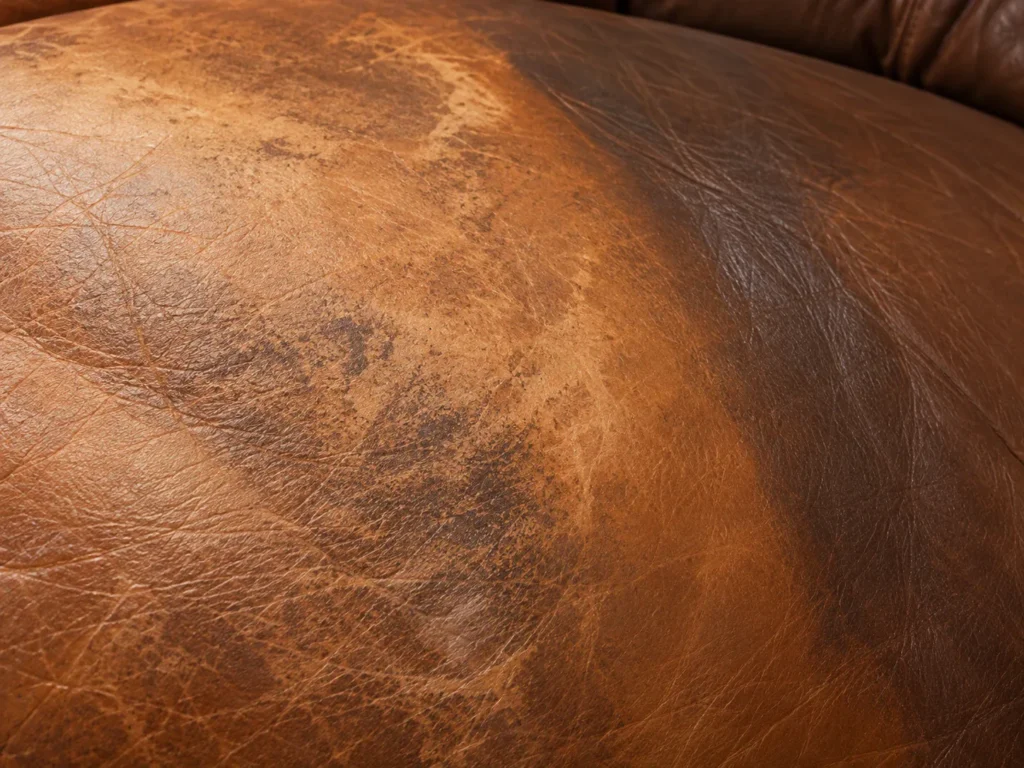
Hide loses its oils over time
Sunlight, heating and the years all draw natural oil out of a hide. Conditioning replaces that moisture, and the change shows in both look and feel.
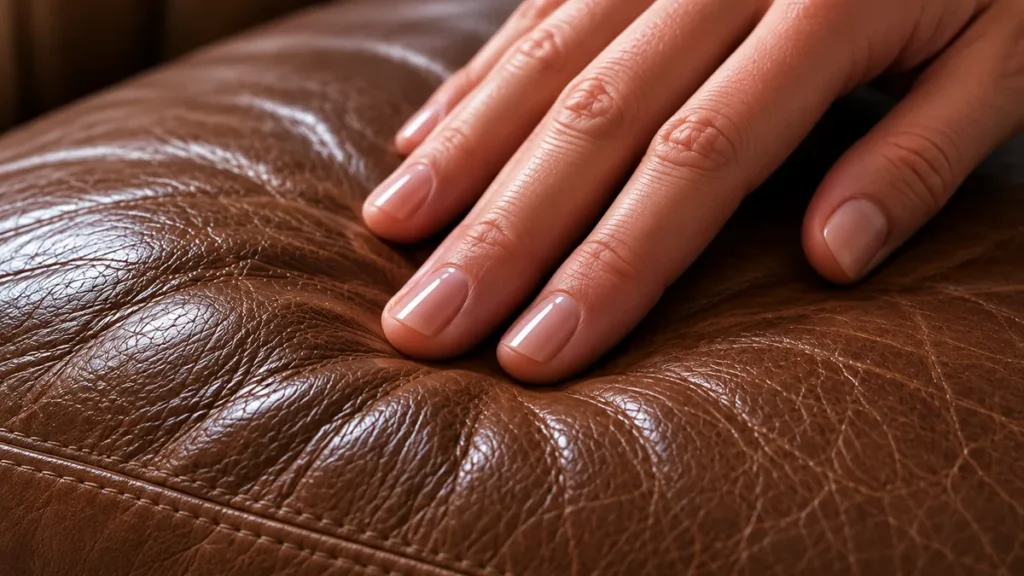
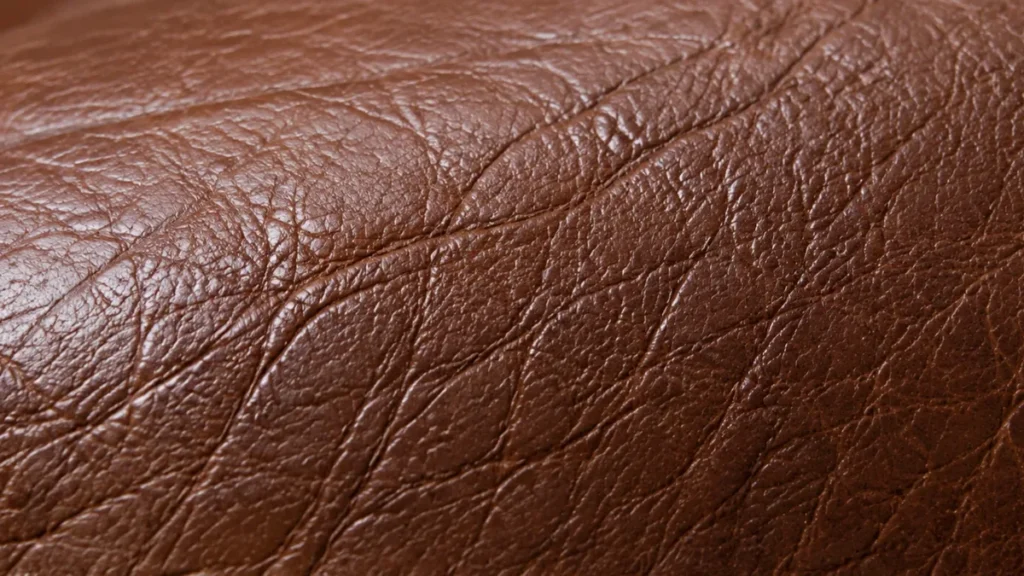
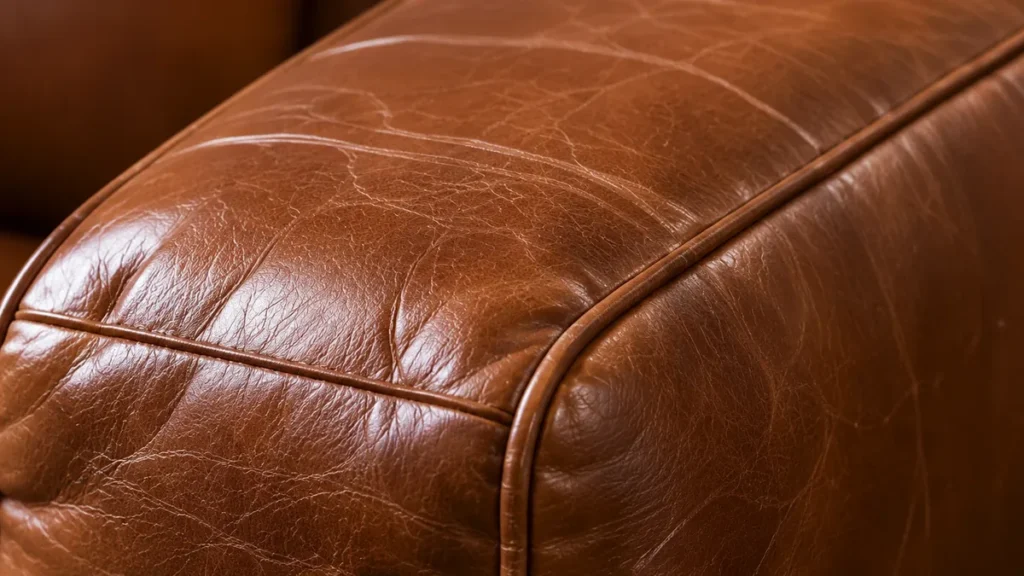
The five places dryness starts
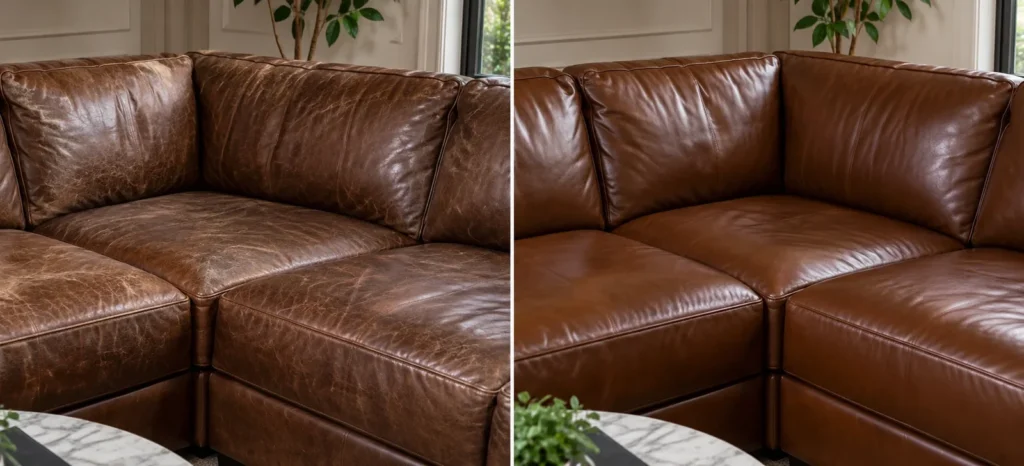
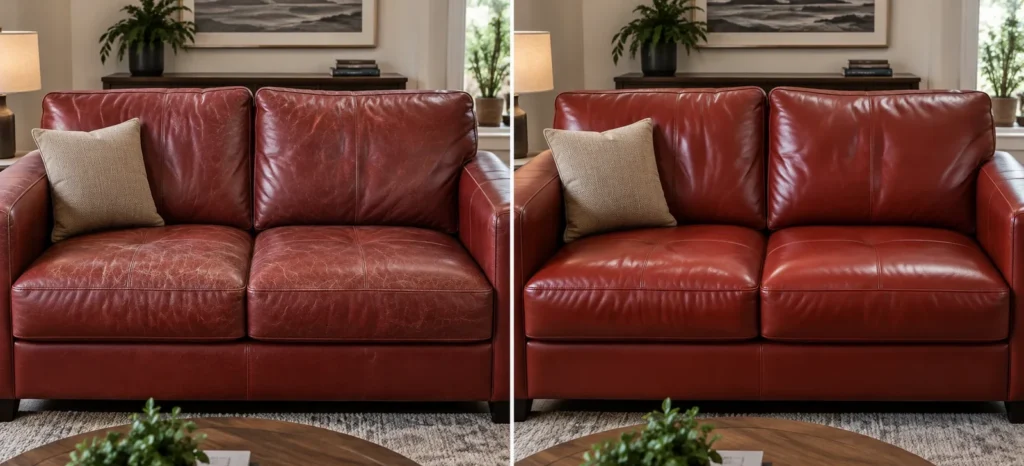
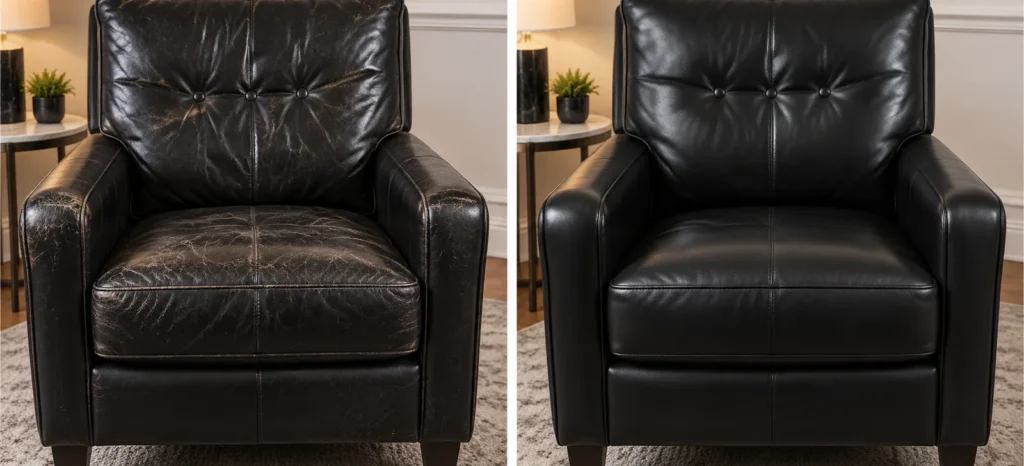
These are the areas that get the most body heat, skin contact and sunlight. Every leather conditioning CT job spends extra time on them.
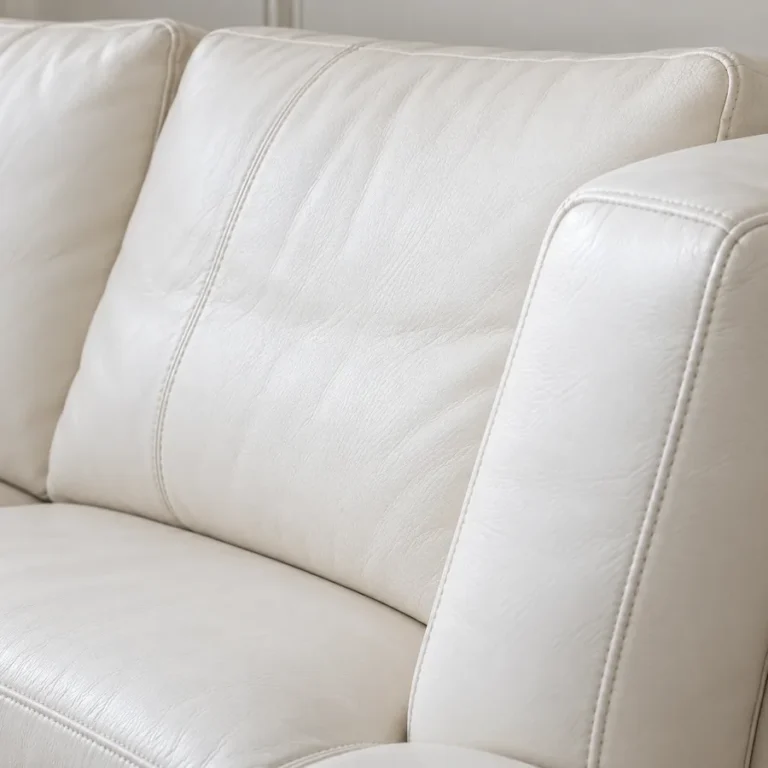
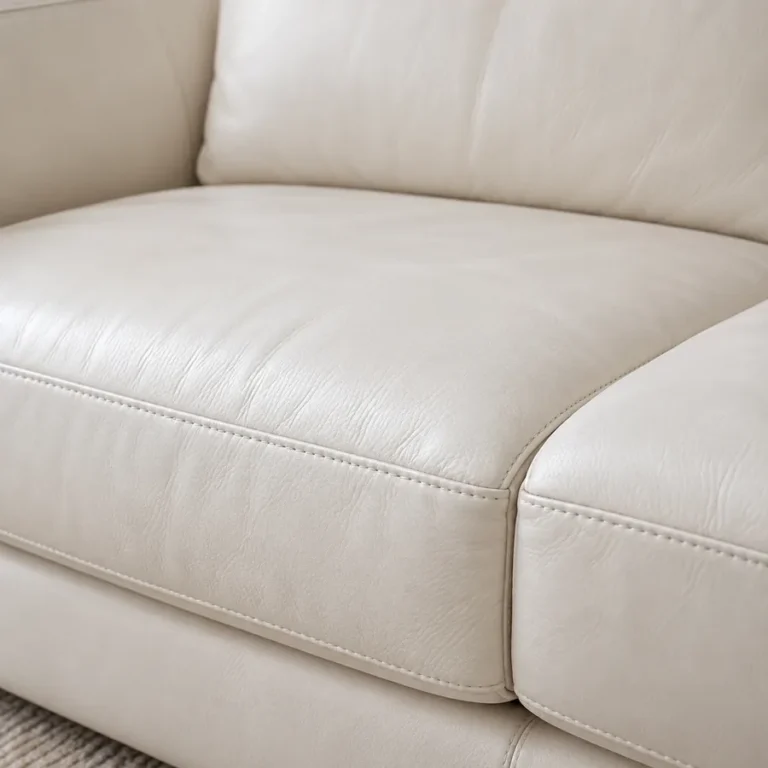
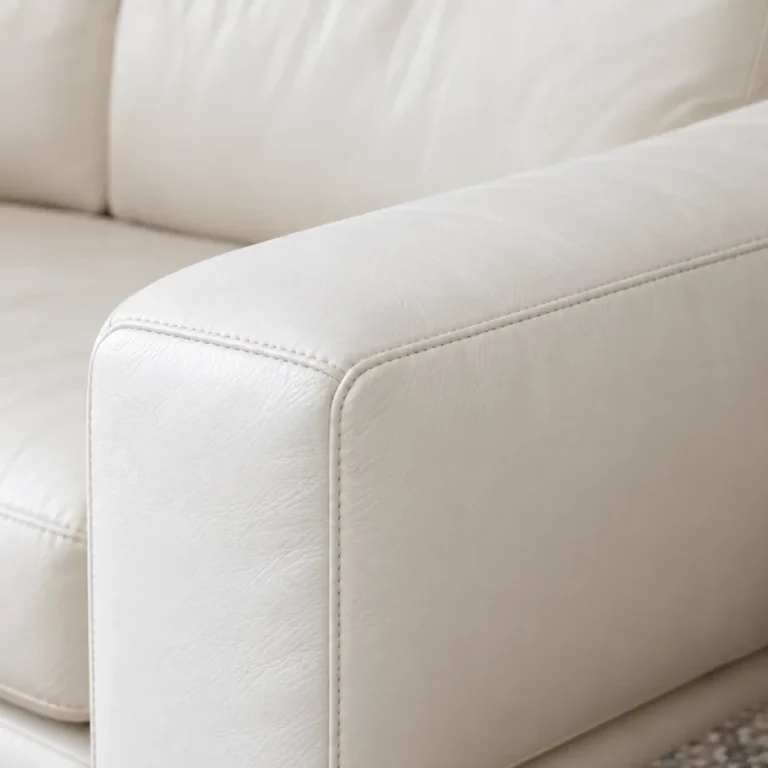
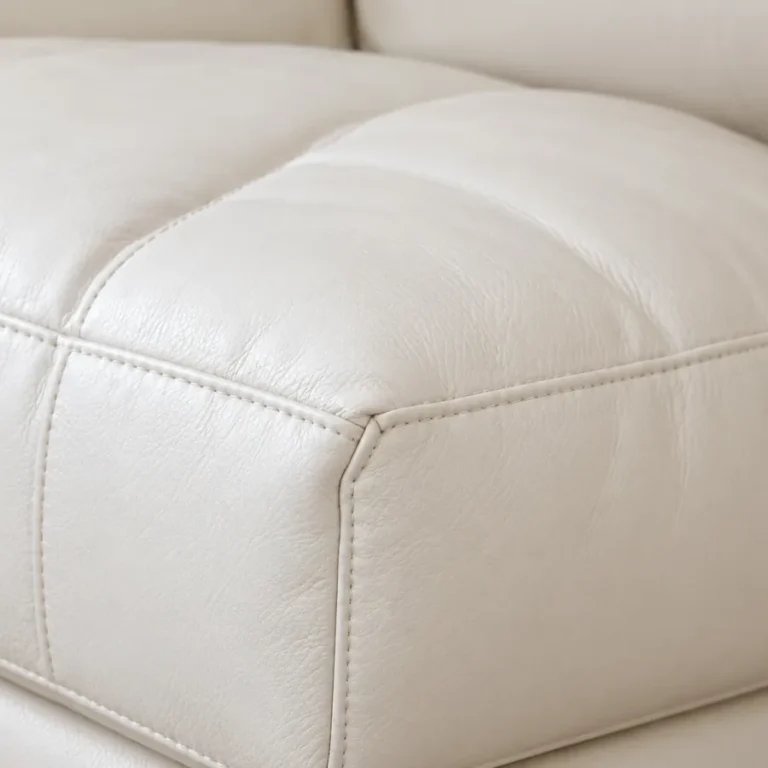
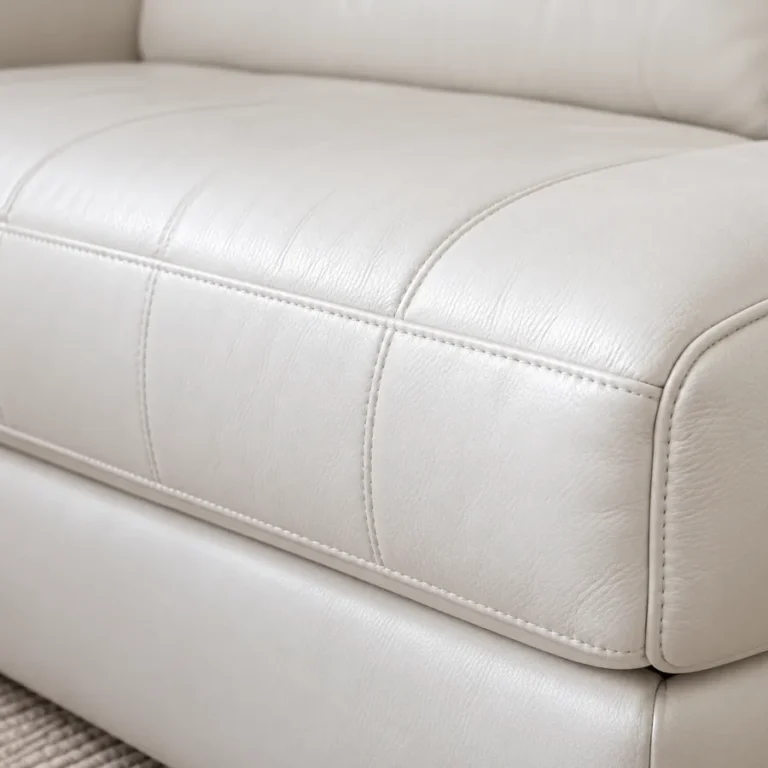
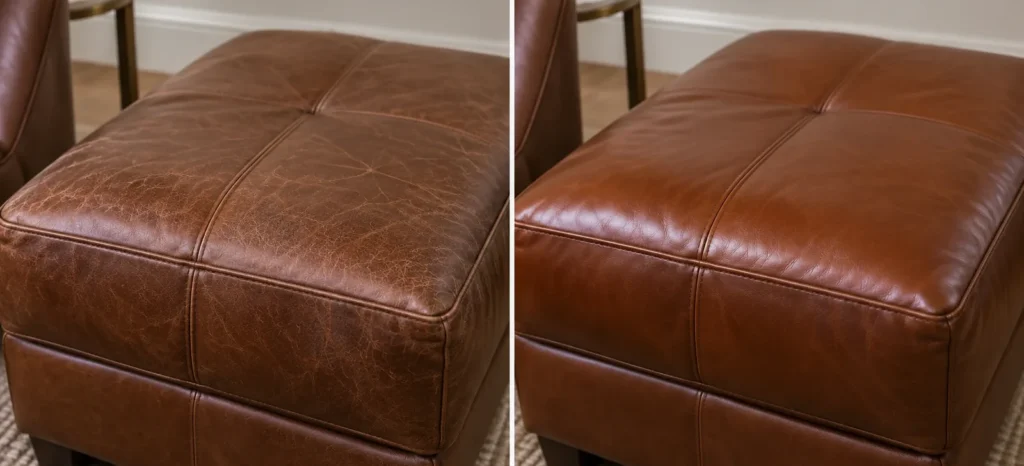
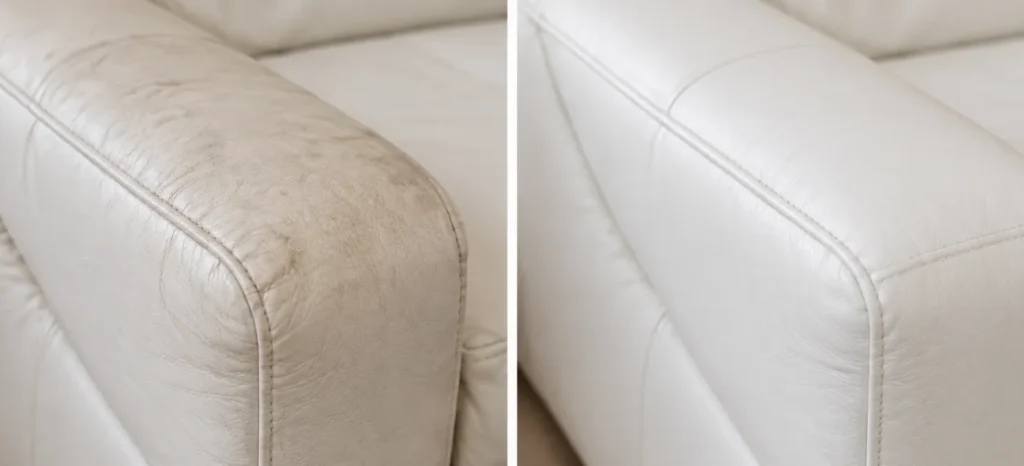
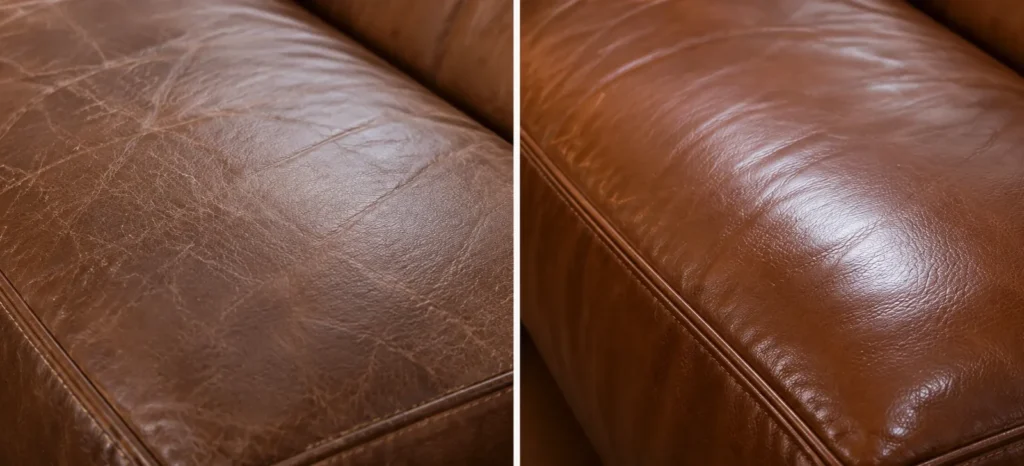
Leather conditioning, before and after
Left: dry and flat. Right: the same piece, cleaned and conditioned.
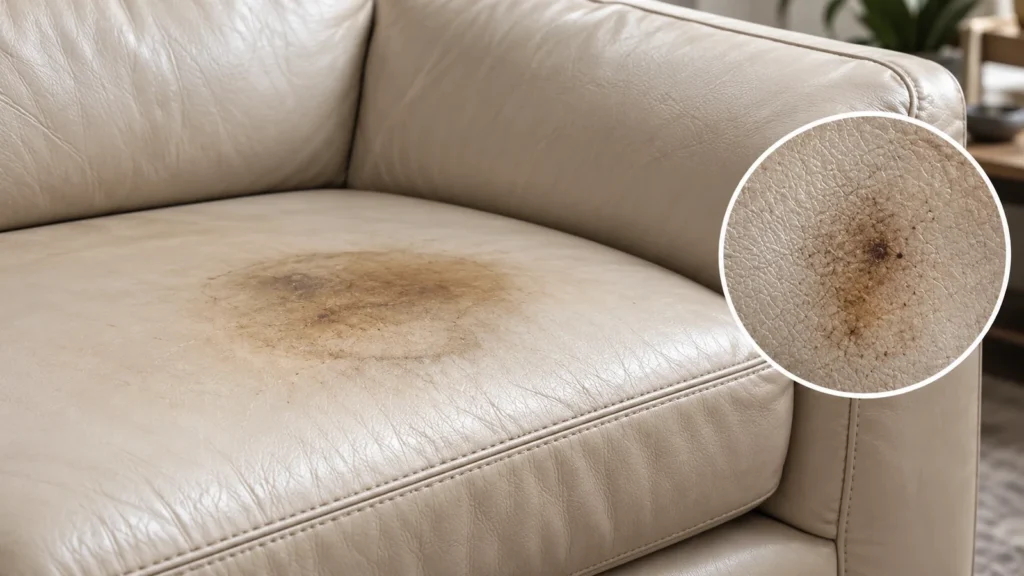
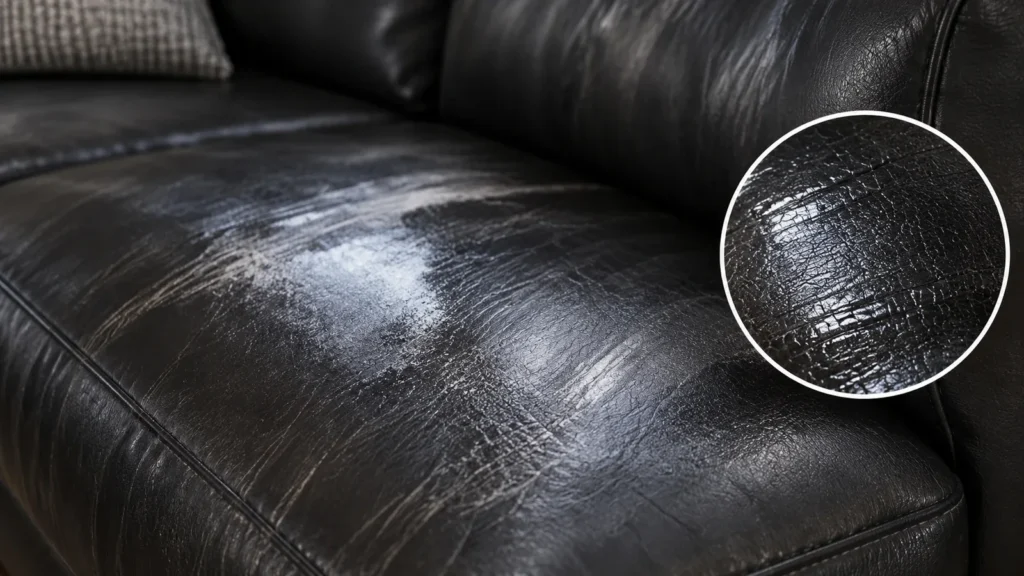
Home remedies that damage leather
We see this damage every month. Tell us if one was used on your piece; it changes the cleaning we do first.
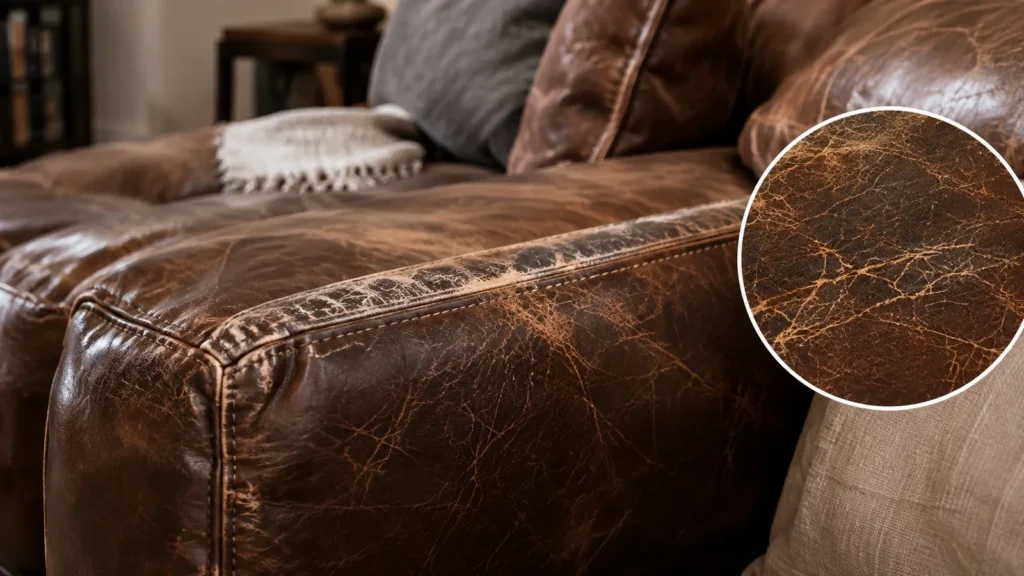
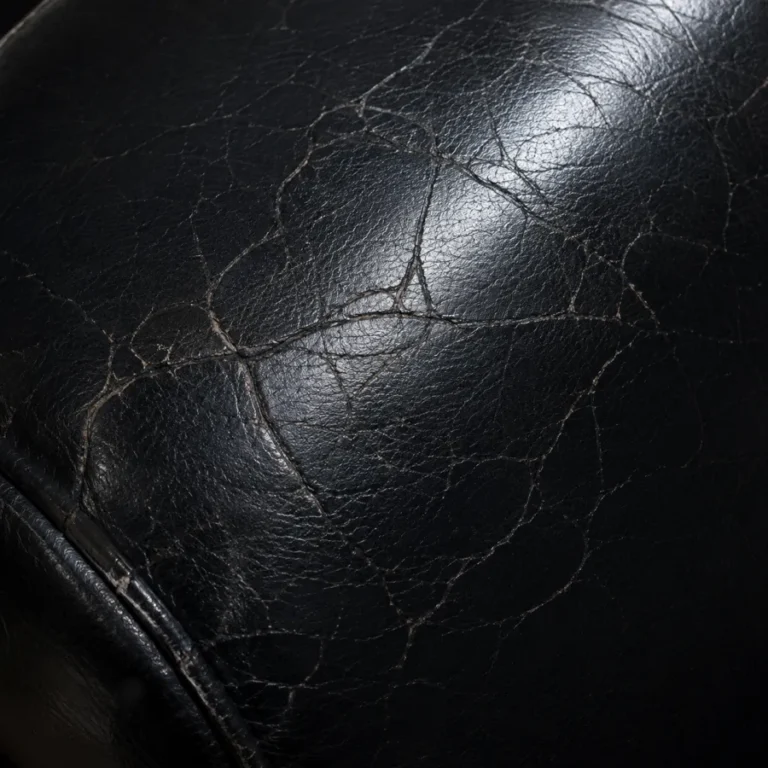
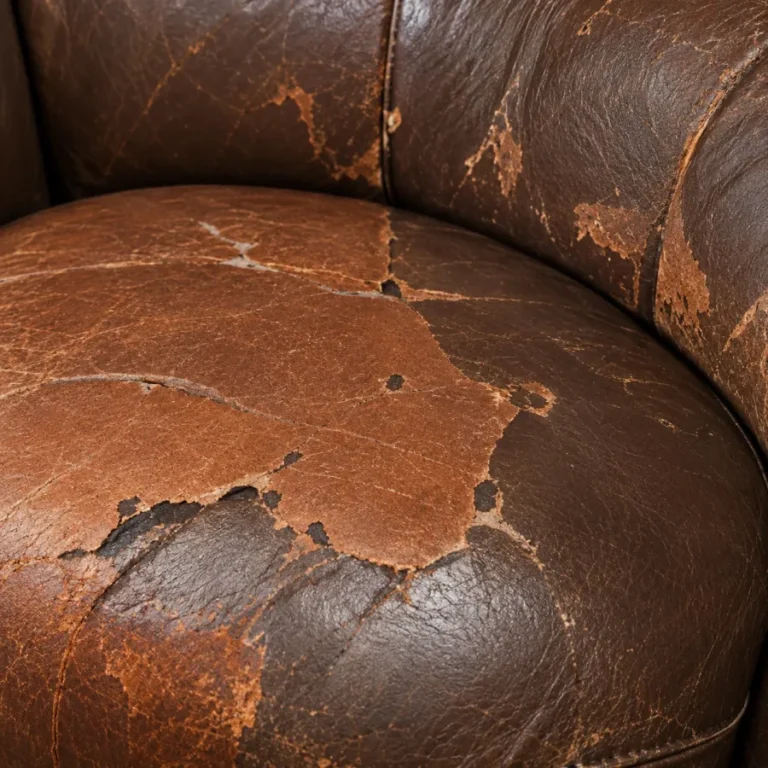
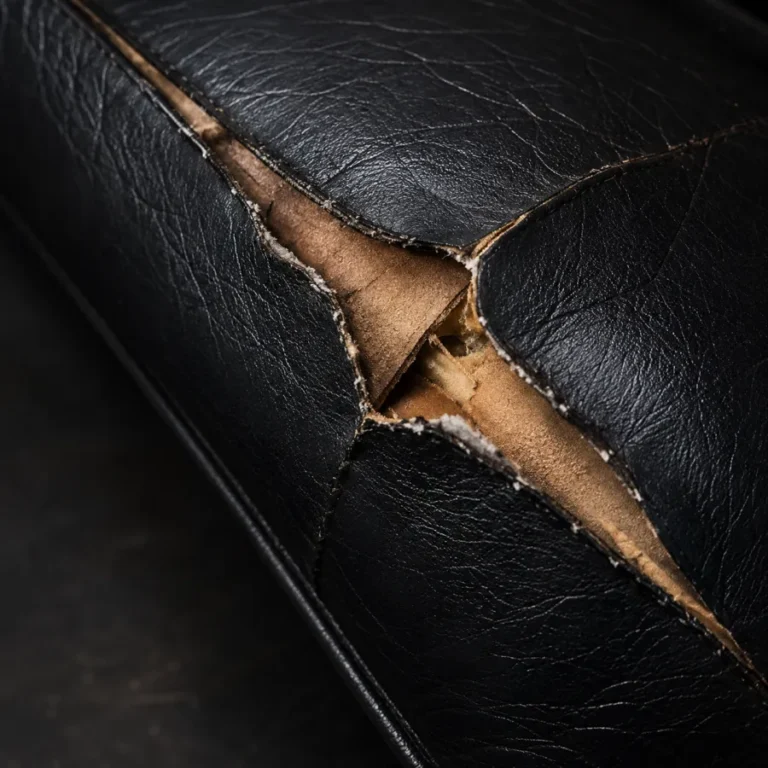
Damage conditioning will not repair
Conditioner maintains leather that is still sound. Problems like these must be repaired before it can help.
What Connecticut weather does to leather
From January to August, the conditions indoors keep drawing moisture out.
Heating season
From Hartford to the Litchfield Hills, forced air and radiators run for months and dry the hide.
Strong sun
In a sunroom or by a bay window, the side of the sofa closest to the glass takes the heat.
Air conditioning
Once the furnace is off, cooled dry air carries on pulling moisture from the leather.
Coastal homes
Along Long Island Sound, salt air and sunscreen on bare skin wear leather down.
Leather Conditioning CT FAQ
Related services:
How often should leather be conditioned?
Twice a year suits most households; near a radiator or bright window, every three to four months. Many leather conditioning CT clients pair it with a cleaning, because conditioner absorbs best into clean leather.
Do you clean before conditioning?
Yes, every time. Applying conditioner over grime drives the grime further into the hide, so a gentle cleaning always comes first.
Will conditioning make my sofa greasy or shiny?
It should not. Our conditioners are water-based, so they absorb into the leather and leave a natural, low luster instead of a coating.
Can conditioning fix cracks?
It can keep fine creases from opening into cracks. Cracks that are already open, peeling and tears have to be repaired first, and conditioning follows the repair.
Is it safe for every type of leather?
Aniline, semi-aniline and finished leather all accept conditioner. Suede and nubuck call for other care, so we identify your leather before we start.
How do I get a price?
Send one photo of the full piece and one close-up of its driest area by text to (347) 310-7483 or by email to office@leatherrestorepro.com.
Show us where it feels driest
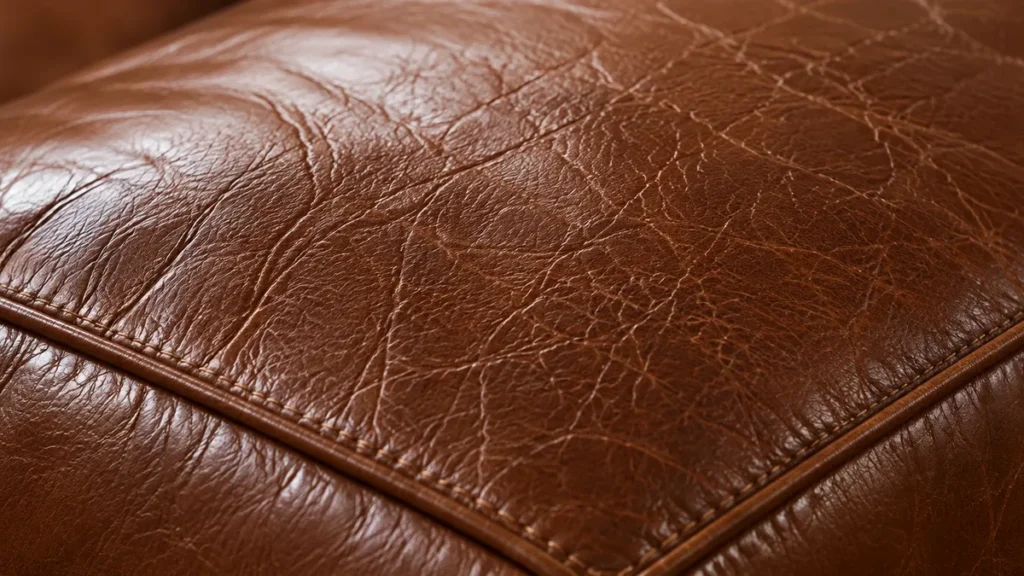
One full shot and one close-up let us price the leather conditioning CT homeowners ask for. We book nothing until you approve it.
Or call (347) 310-7483 · office@leatherrestorepro.com