
Home / Commercial / Reupholstery / Foam Replacement
Density before feel · ConnecticutCommercial Foam
Replacement CT
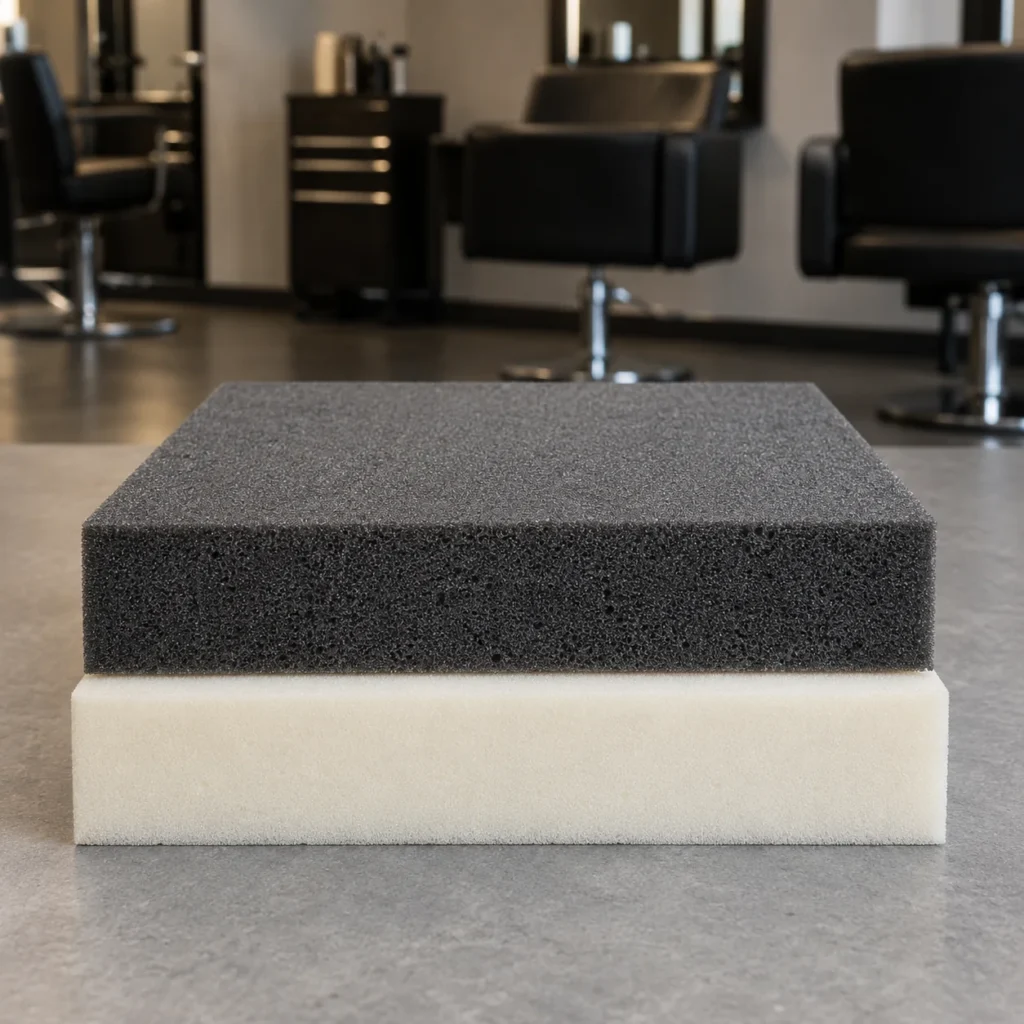
Seats gone flat, cushions that bottom out, benches nobody wants to sit on any more. Commercial foam replacement CT businesses buy should be specified by one figure that most quotes leave out.
Density written on the quoteShaped to the seat panCall (347) 310-7483
Density is not firmness
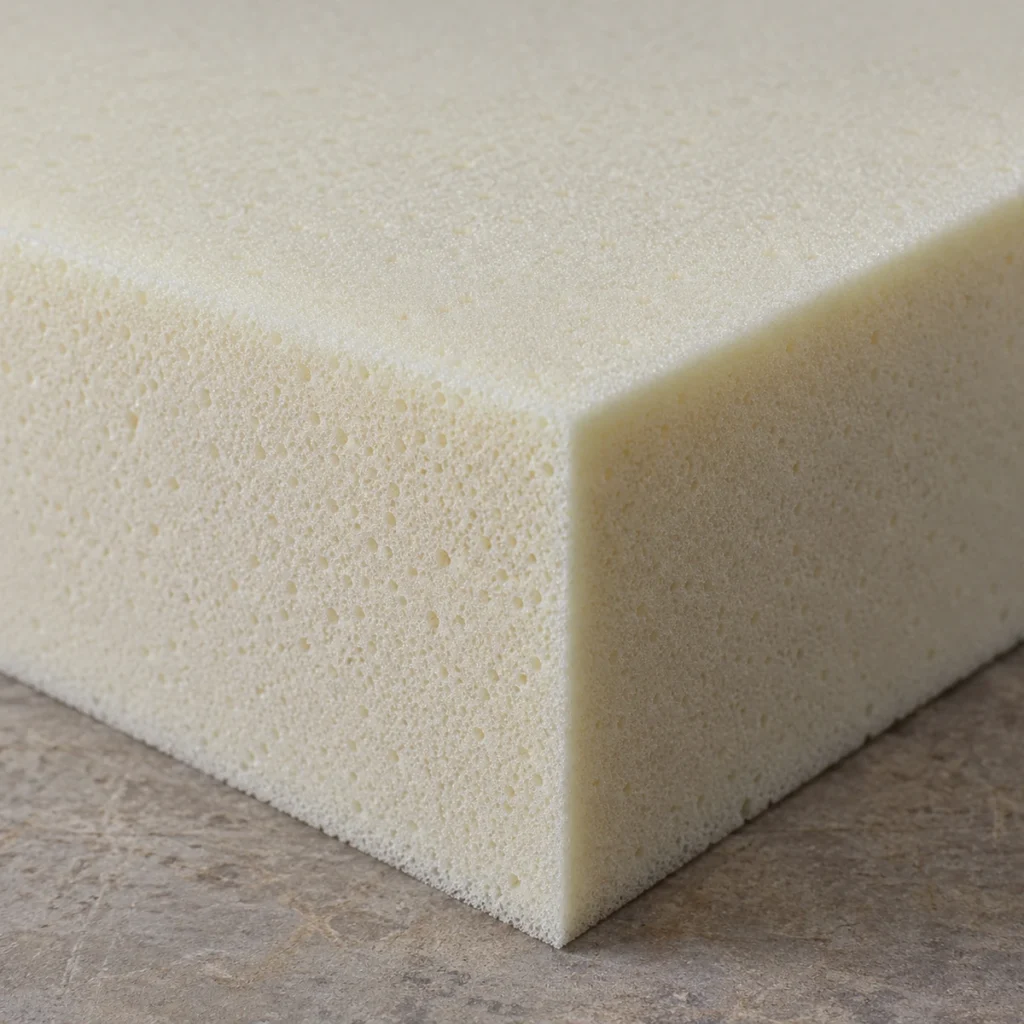
Every foam carries two separate numbers. Density measures how much material is packed into it, and it decides how long the seat holds up before it collapses. ILD measures how hard it feels the first time someone sits down. The two do not move together. Firm, low-density foam exists, and a lot of commercial seating ships with it because it feels solid on a showroom floor and costs little. The result is a seat that feels hard and still bottoms out within a year. So ask any vendor, us included, for the density figure. “Firm” does not answer the question.

Pans, boxes, benches and loose cushions
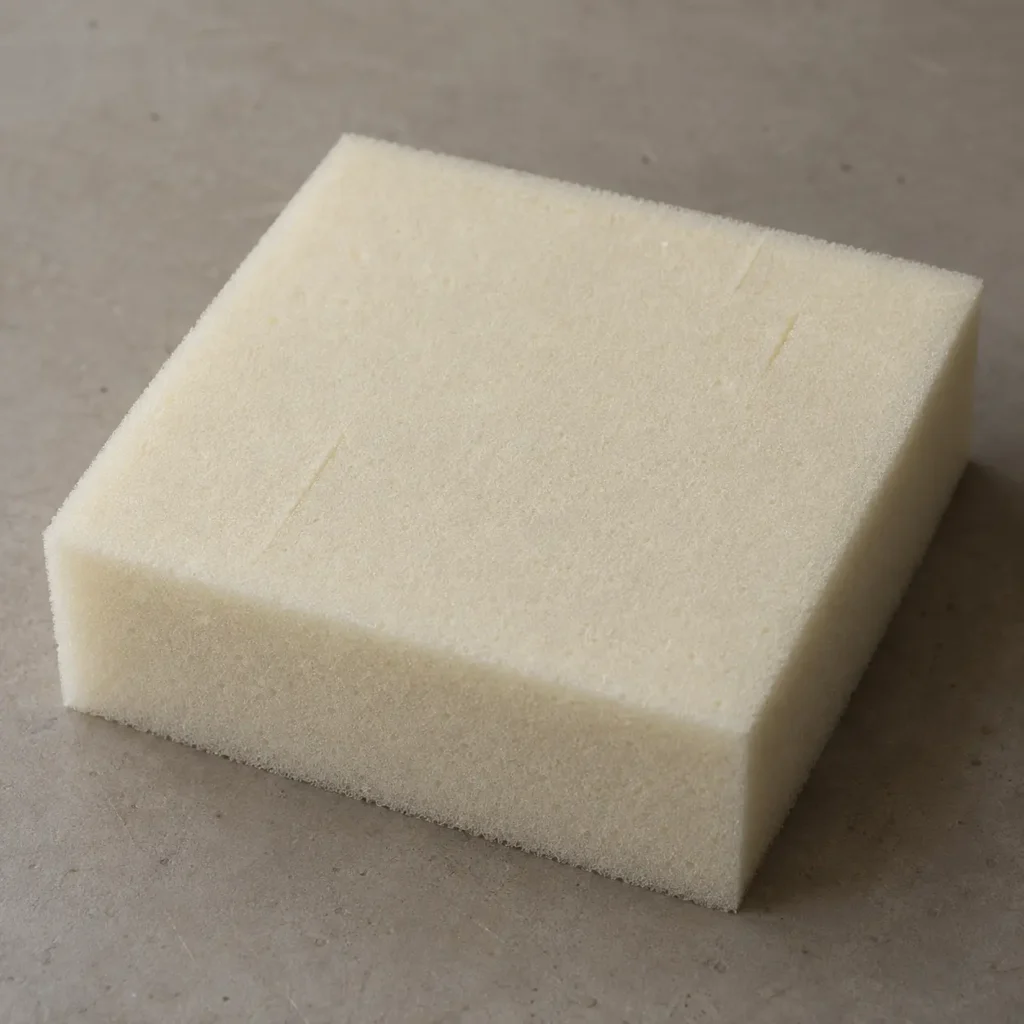
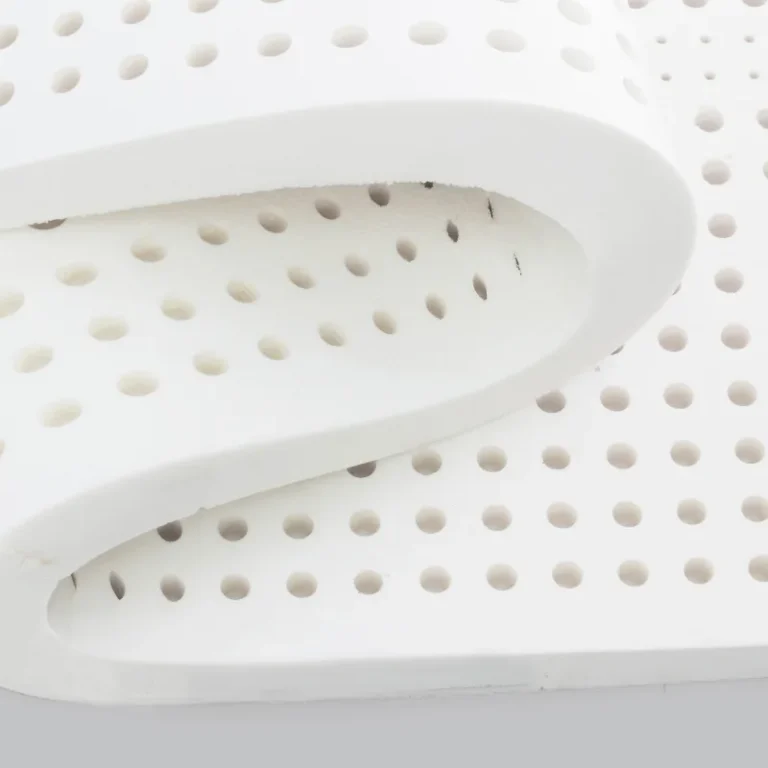
Worn foam rarely shows from across the room and becomes obvious the second someone sits. That is why commercial foam replacement CT operators need often waits until a full refurbishment that was never actually required.
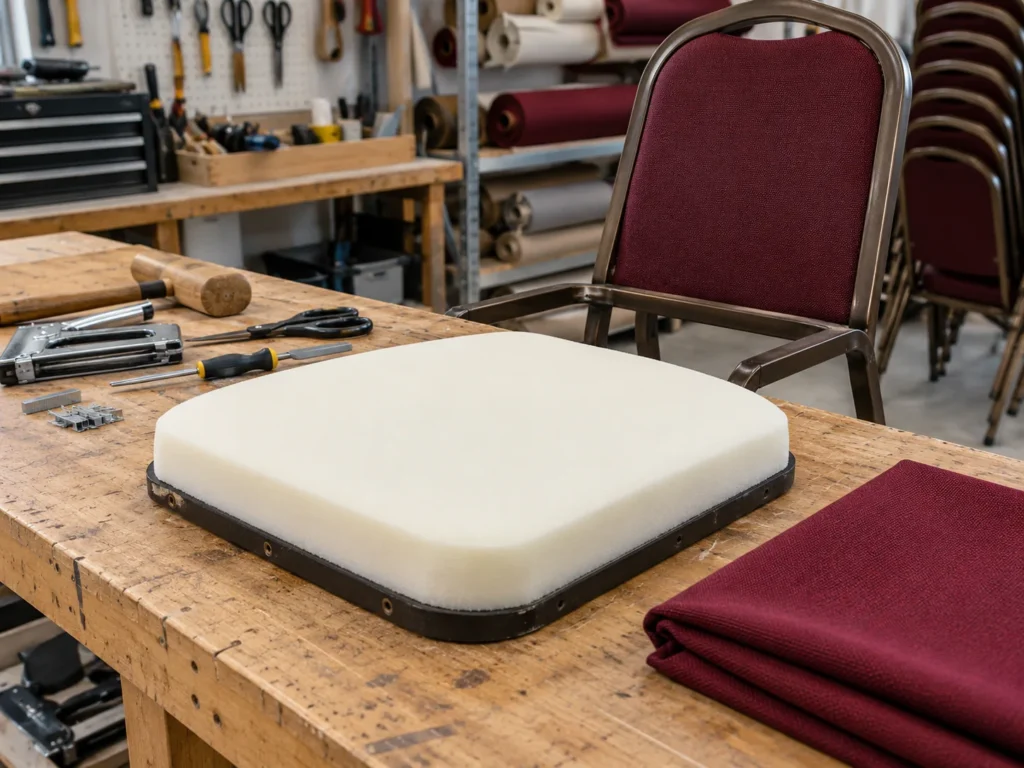

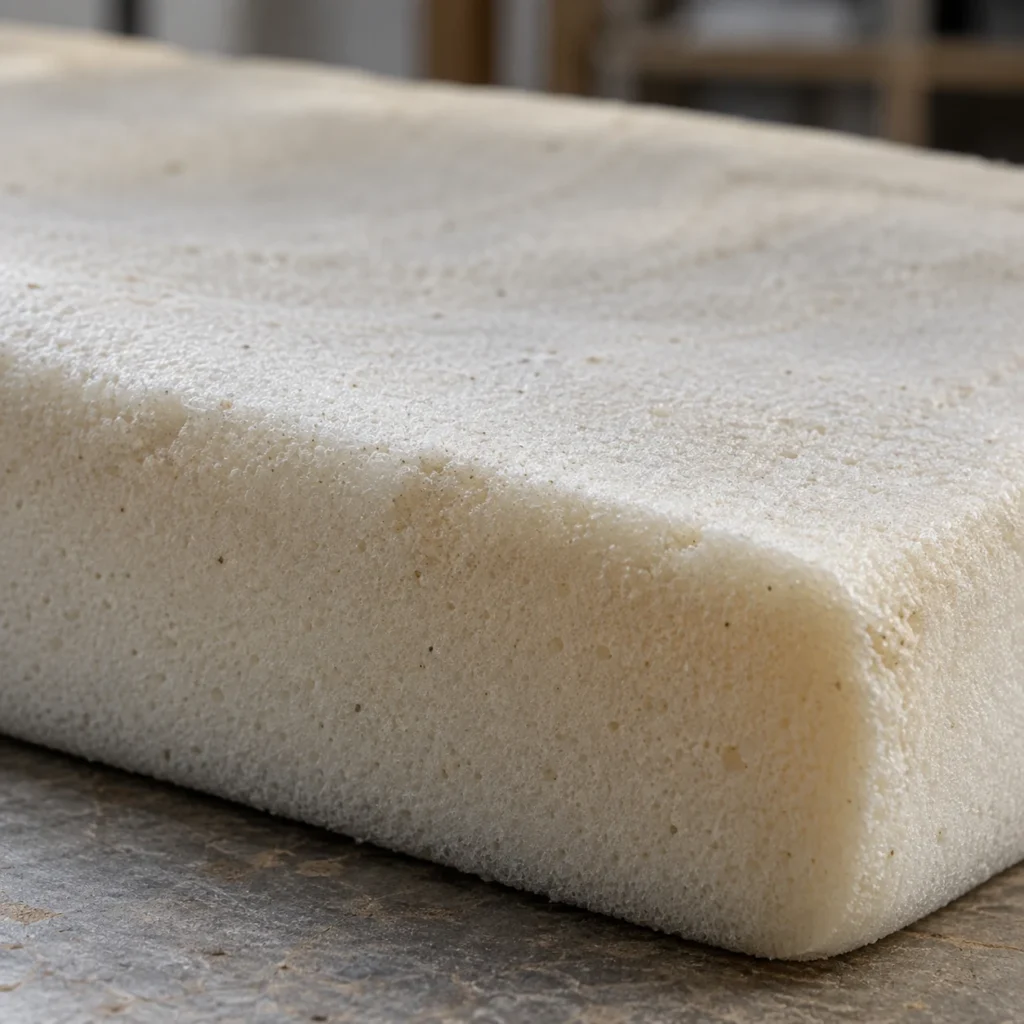
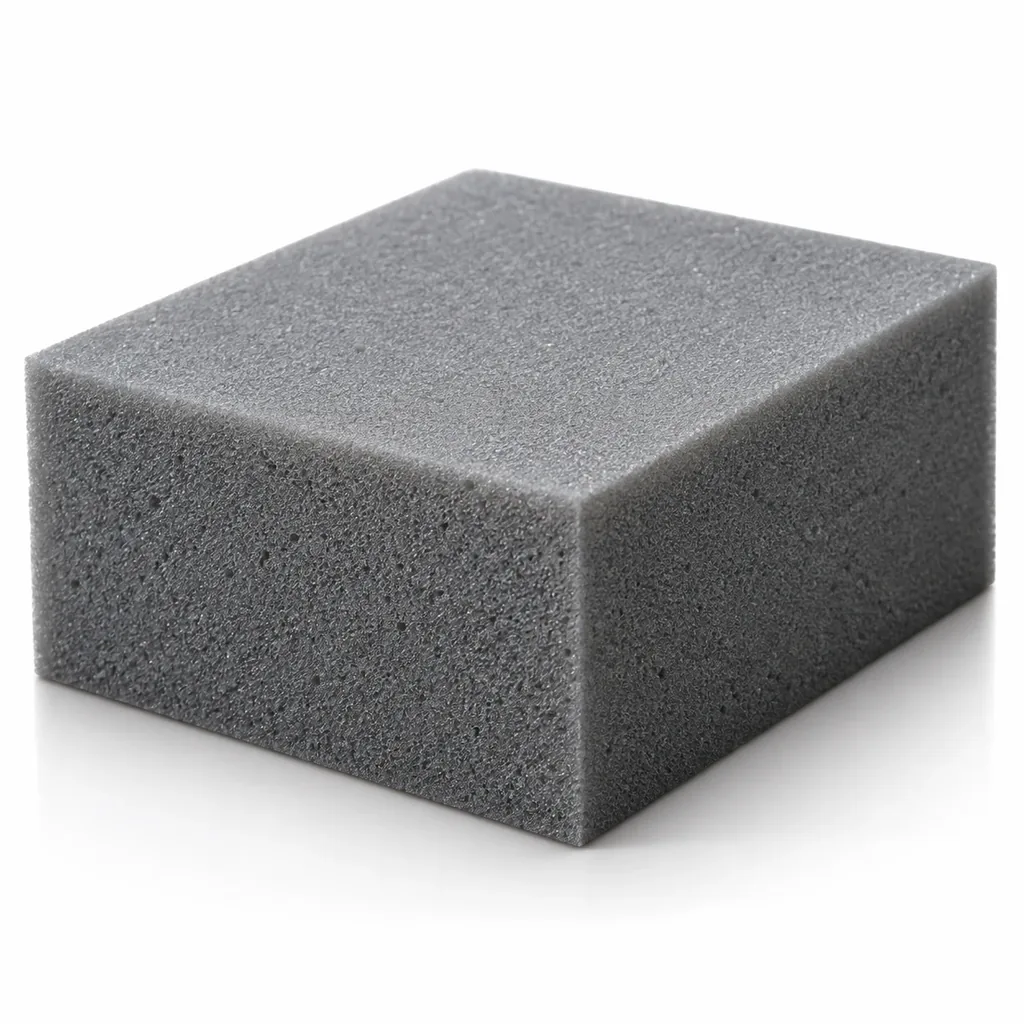
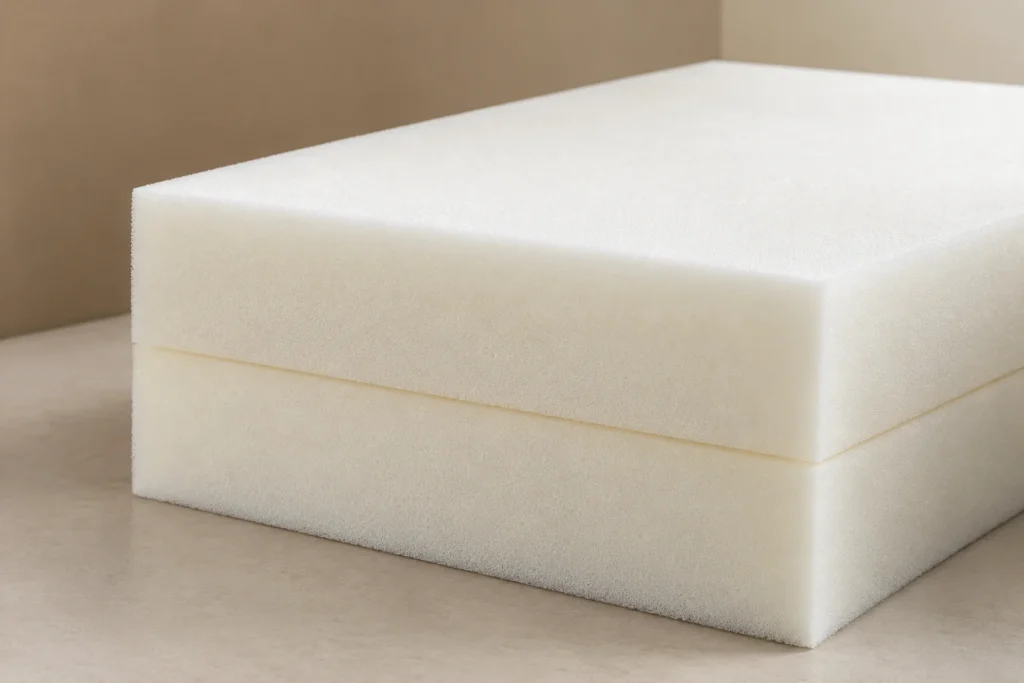
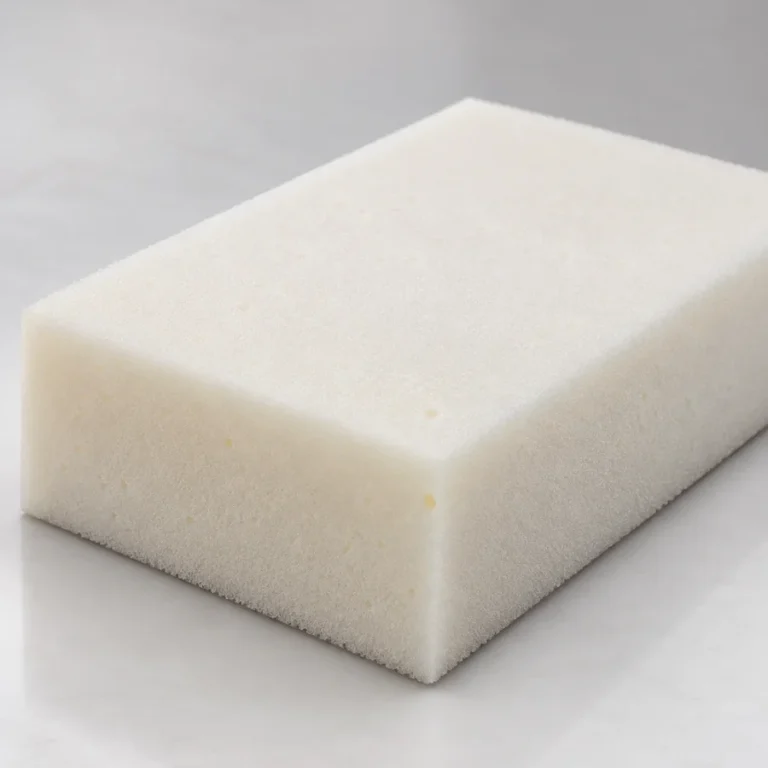
What we put in, and what we take out
The second column shows what turns up beneath covers that still look fine. In public seating the foam nearly always gives out ahead of the cover, and that is the most frequent reason a recover ends up disappointing.
What goes in
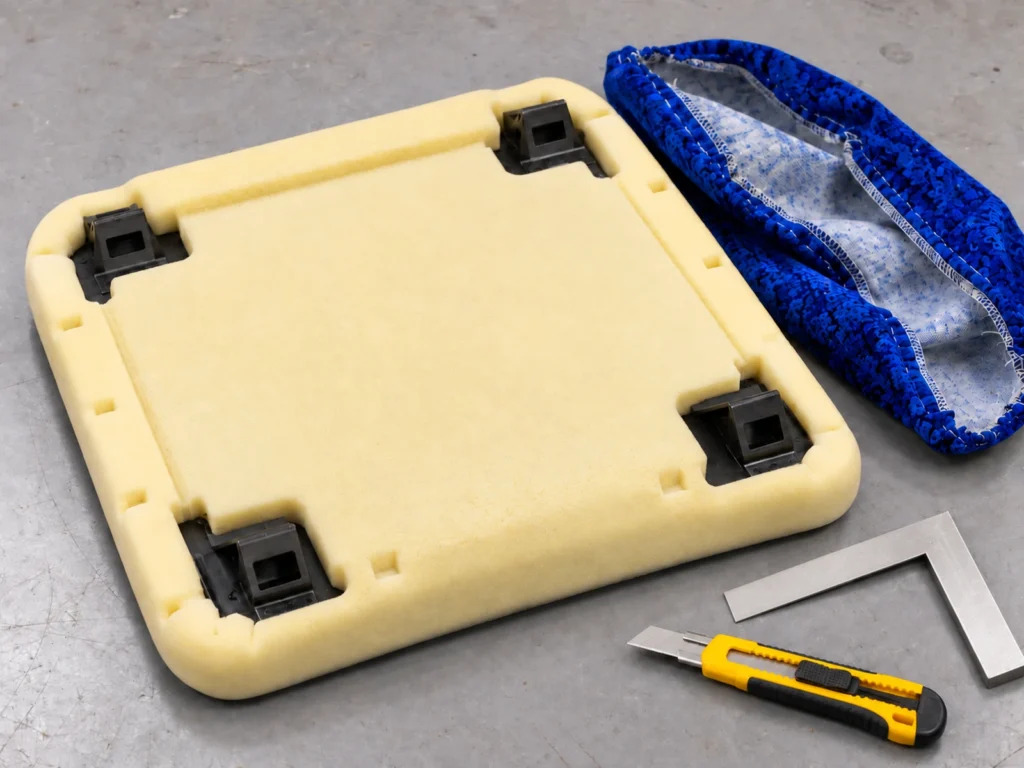
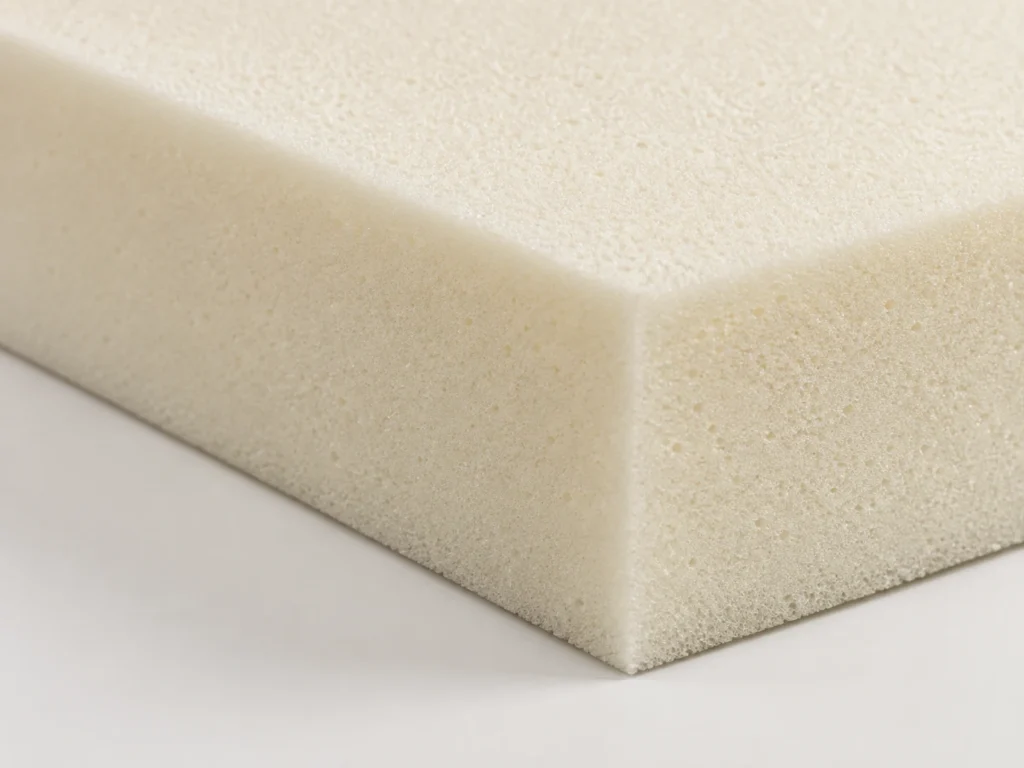 Cut from blockContract-density block cut to fit, not an off-the-shelf pad.
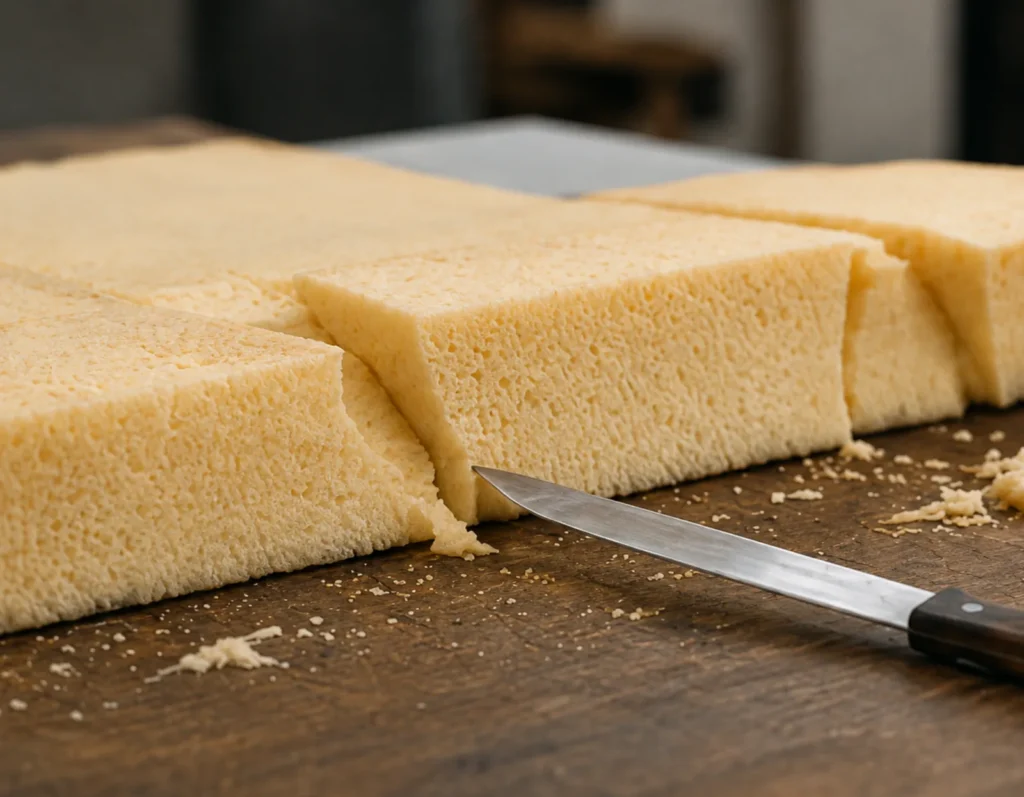 Off a templatePatterned from the pan so the crown and edges follow the original.
 Old beside newSetting the two next to each other answers “does it really need doing” faster than anything.
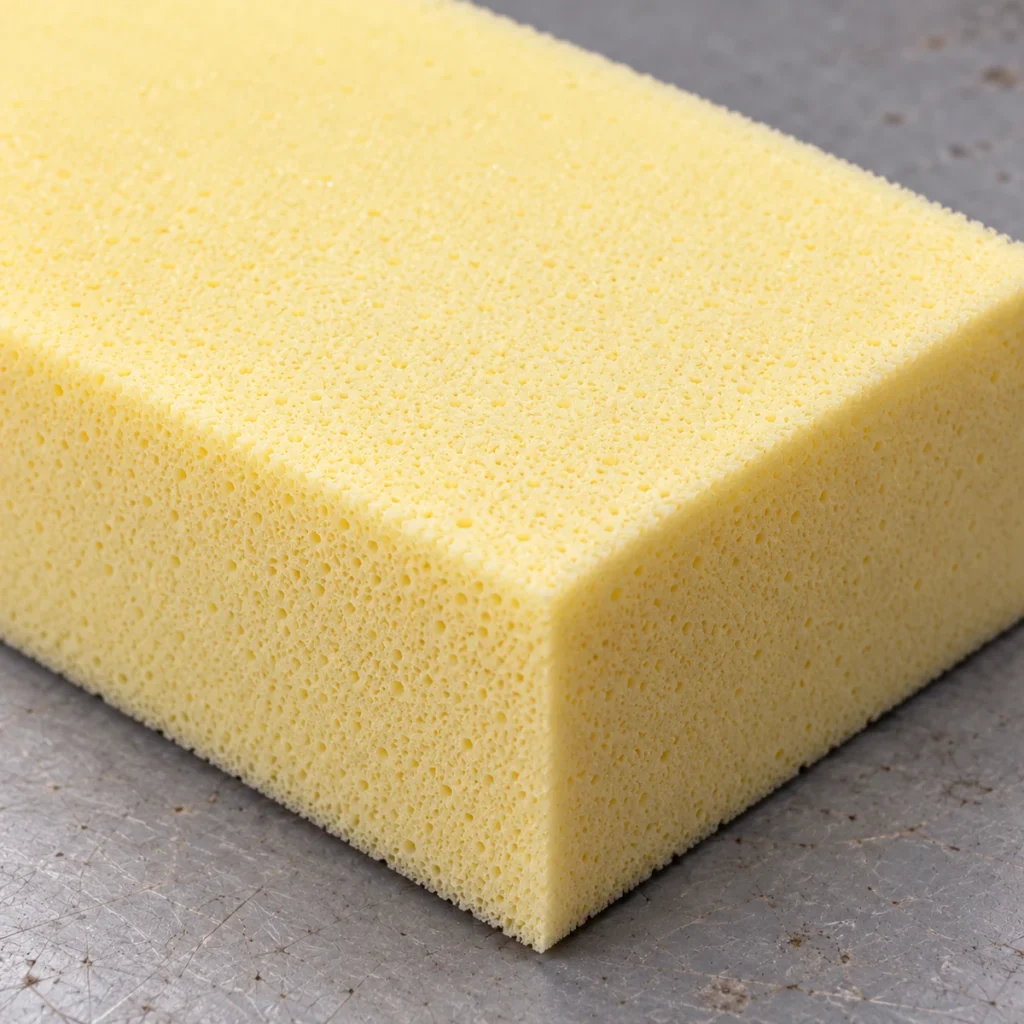 Density checkedA sample block, so what the quote says is what goes in the seat.
What comes out
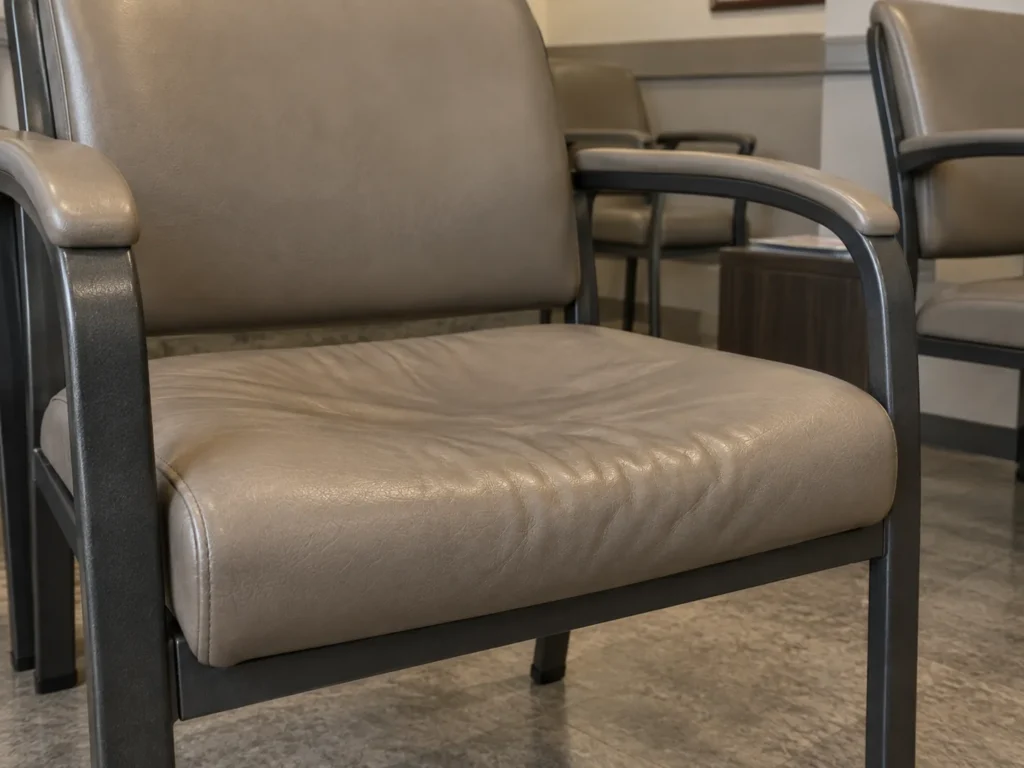 Crushed padsTwo inches of give lost, and usually no one noticed when.
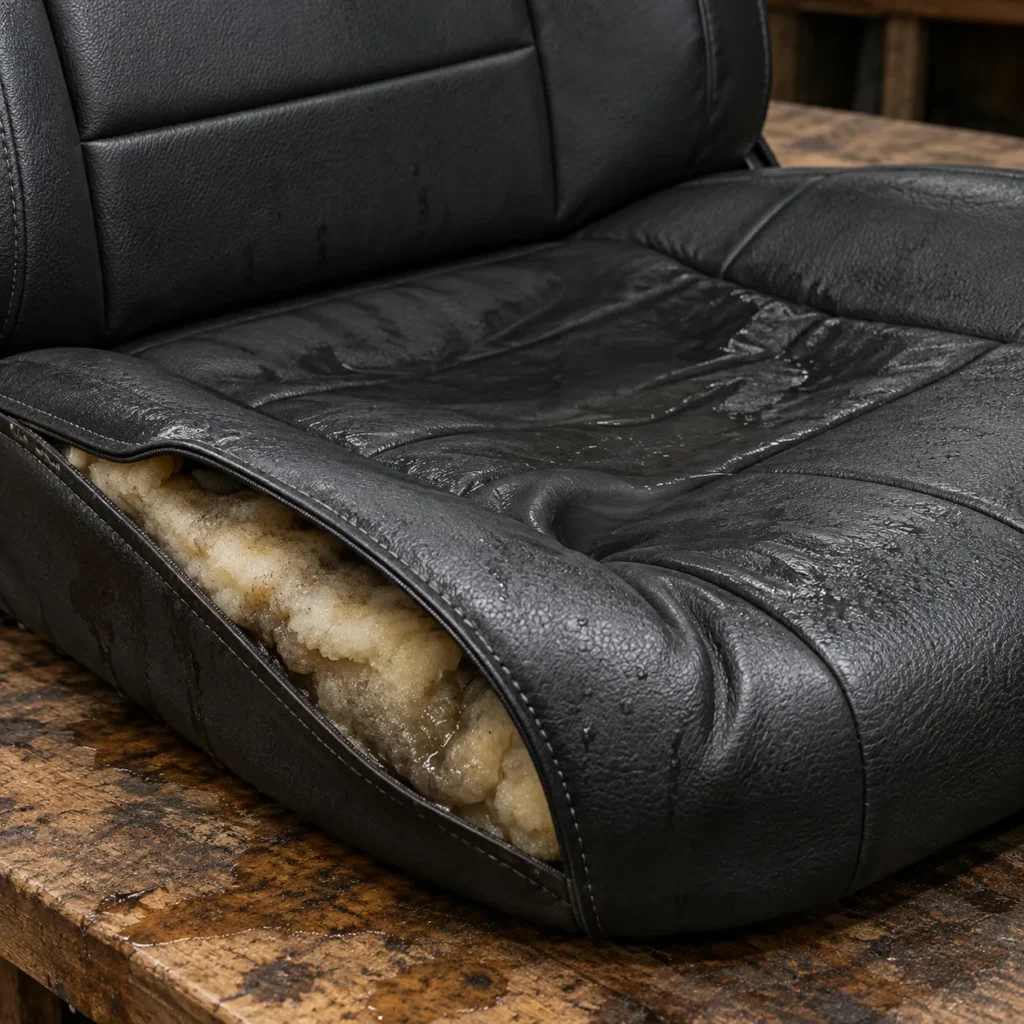 Wet foamWater gets in through a seam. A sealed seat never dries out, and the smell shows up first.
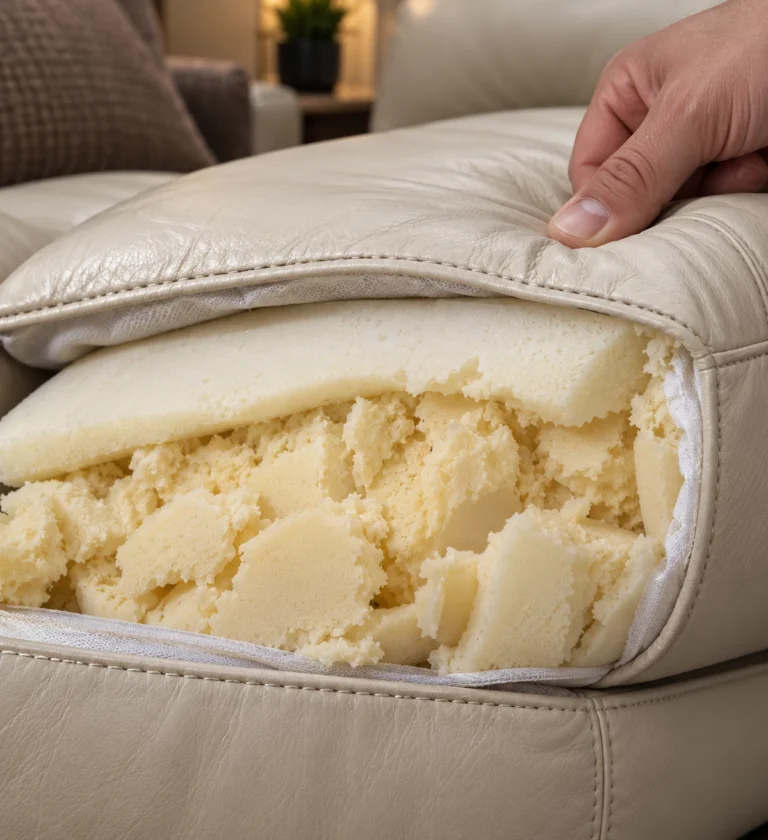 Crumbling foamLow-density foam that has reached the end breaks into powder when you squeeze it.
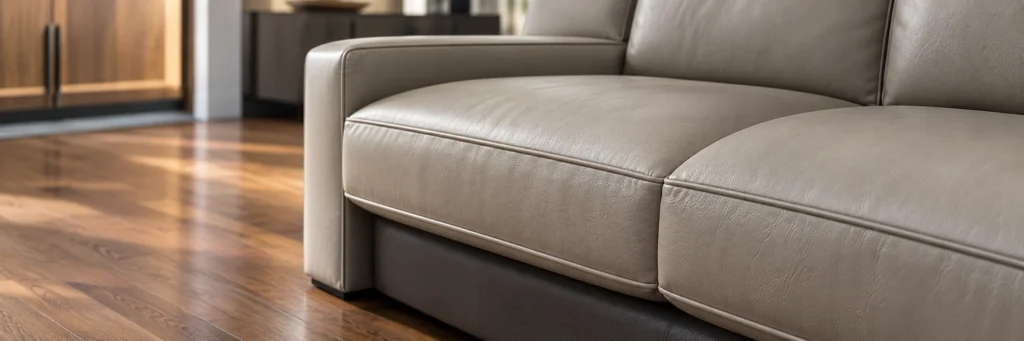 Two generationsPart of the run was redone earlier, so the seats now sit at two heights.
Open one, then quote the run
One seat opened first
Nothing is priced until then. A quote that skips this step is guesswork.
Density chosen
Matched to how hard the seat is used, and written into the paperwork.
Template, then cut
Taken from the pan instead of a nominal size, so the crown returns.
Wrap and fit
Dacron wrap where the cover needs the fill, then fitted and tested by sitting on it.
The part that makes a recover feel new
Fresh covers stretched over dead foam feel wrong from the first sitting, and it is the most common letdown in this trade. If you already have a recovering job planned, this is the half to get right alongside it. If the covers are sound and only the comfort is gone, foam alone is the less expensive fix. For loose seating, see also cushion replacement.
Commercial Foam Replacement CT FAQ
Questions operators ask about foam.
Which density should we specify?
That depends on the seat and how much use it gets. What matters is that commercial foam replacement CT quotes state the figure, so someone can be held to it. “High density” on its own tells you nothing.
Can the foam be replaced without new covers?
Often, yes. When the covers are in good shape they are removed, the foam is swapped and the same covers are refitted. That costs much less than a full recover.
How can we tell the foam is what failed?
Sit and notice how far you sink before it stops. Then press the cover flat with your palm. If it feels like a board over empty space, the foam is finished, no matter how the cover looks.
Why do our seats sit at different heights?
Most often because some were redone earlier and others were not. A run needs doing as one job, or it stays at two heights for years.
Will wet foam dry out on its own?
Not in a sealed seat. It stays damp and smells, and anything new laid over it fails from within.
Sit in the worst seat and tell us how far you sink
How much give is left in the most worn seat, and whether it feels like a board. That alone tells you if foam is the job.
Or call (347) 310-7483 · office@leatherrestorepro.com