

Home / Commercial / Restoration / Wood
Tops, frames & boardroom tables · ConnecticutCommercial Wood
Furniture Restoration CT
Hazy tops, worn edges and tables that no longer reflect the light. Commercial wood furniture restoration CT businesses need is nearly always about the finish, since the wood itself almost never wears out.
The finish, not the woodRecoated wherever possibleCall (347) 310-7483
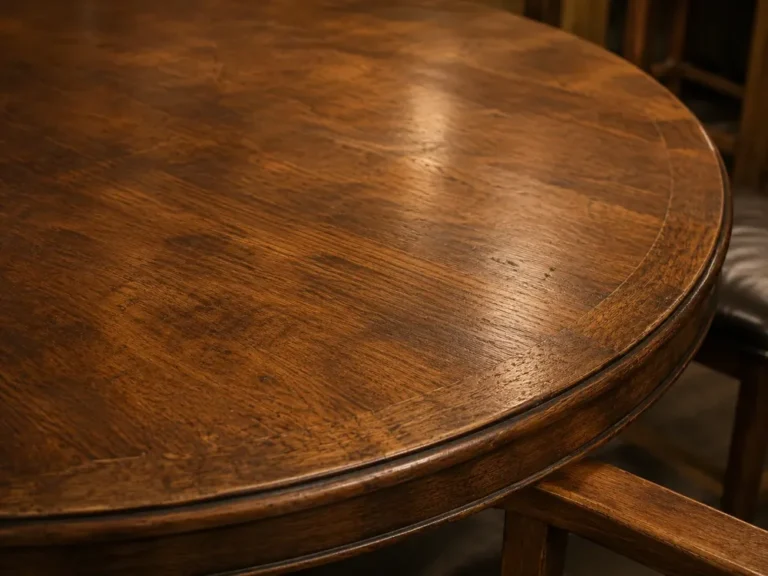
The finish takes the wear
Oak does not wear out. The part that wears is a coating a few thousandths of an inch thick, and the wood beneath it is usually in the same condition as when it was milled. That makes commercial wood restoration a finishing job: identify the coating, work out whether a fresh coat will stick to it, and build up from that point. It also means the gloomy estimates a Hartford office or a Gold Coast club may get for “redoing the tables” are often pricing a problem the tables do not have.
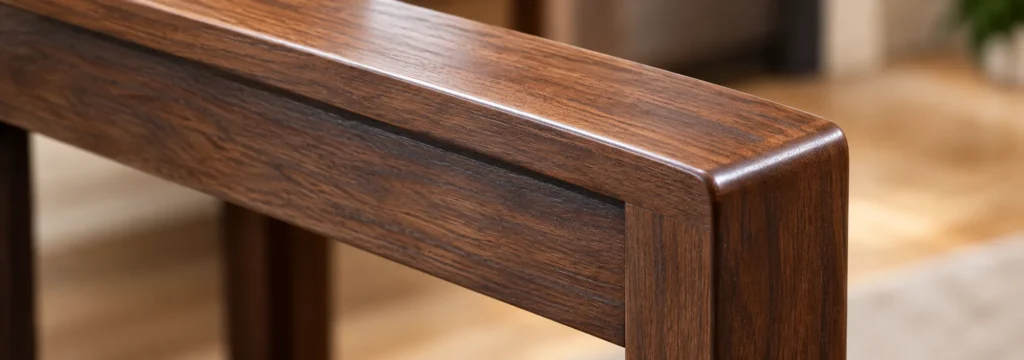
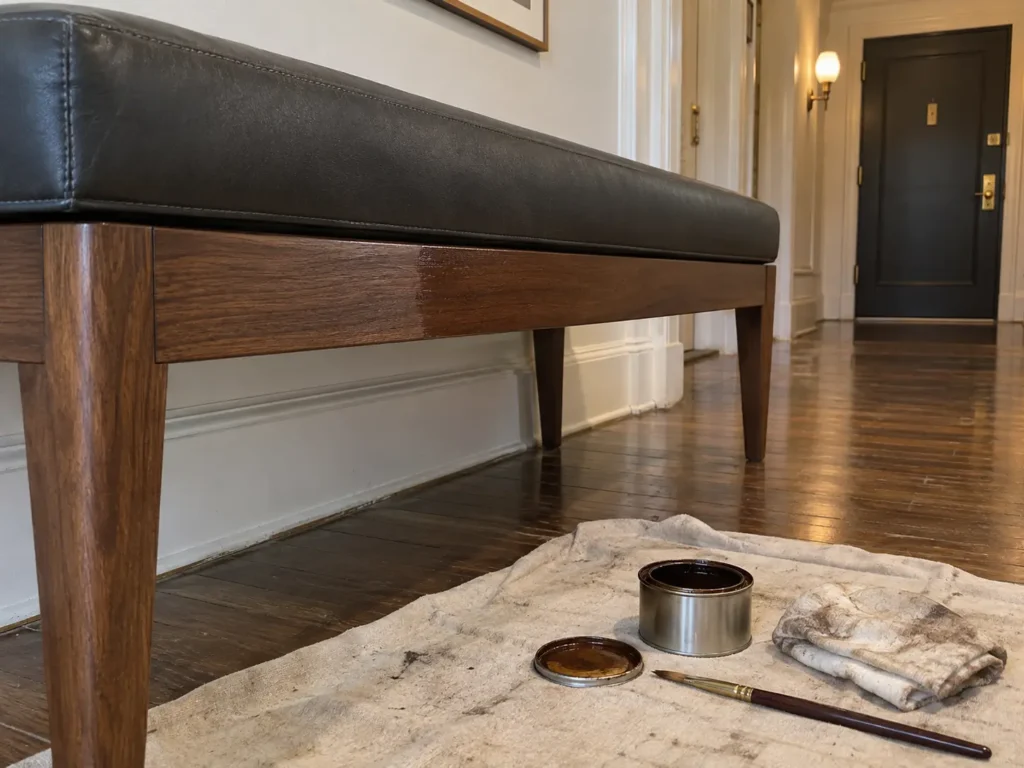
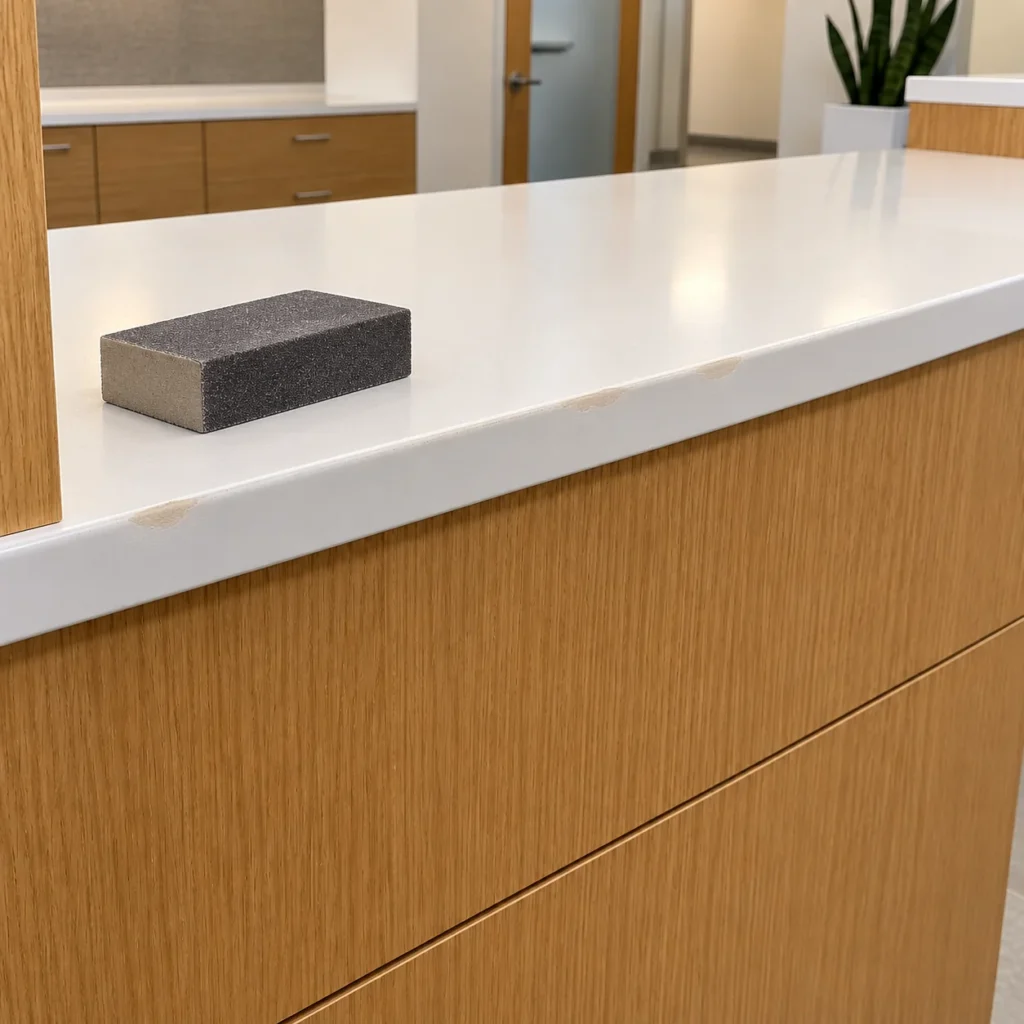
Boardroom tables, frames, rails and desks
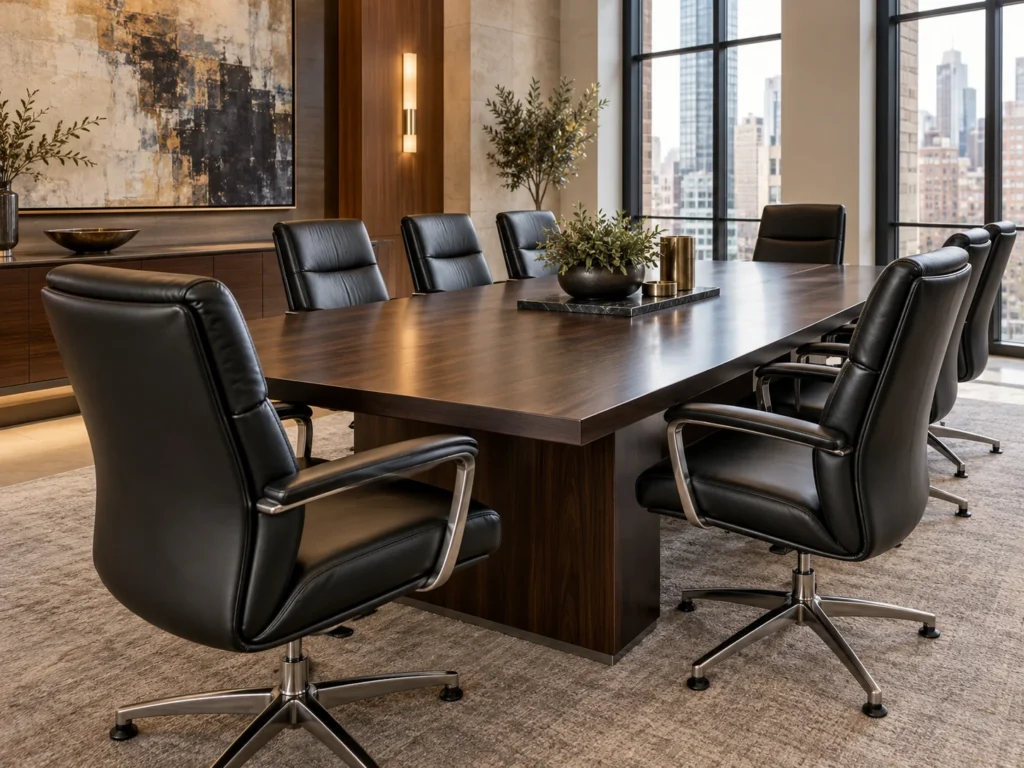
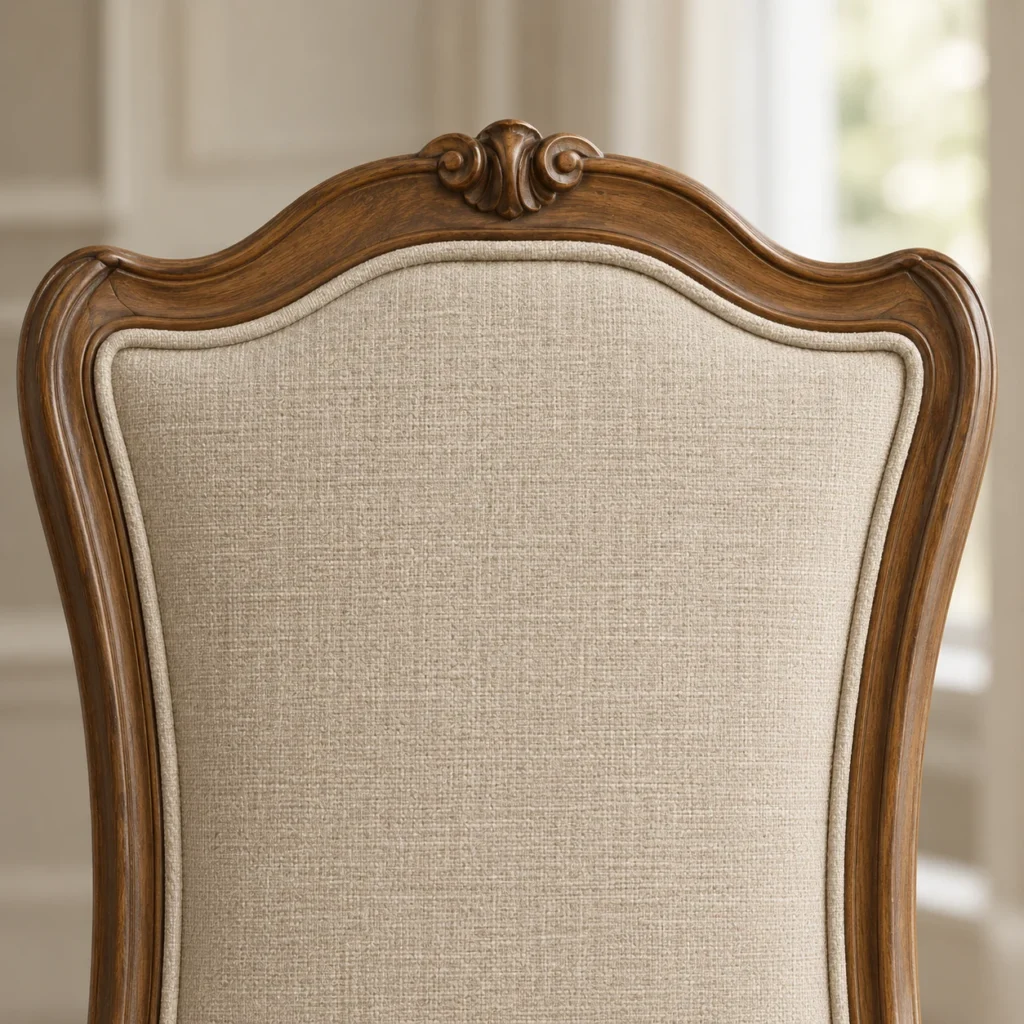
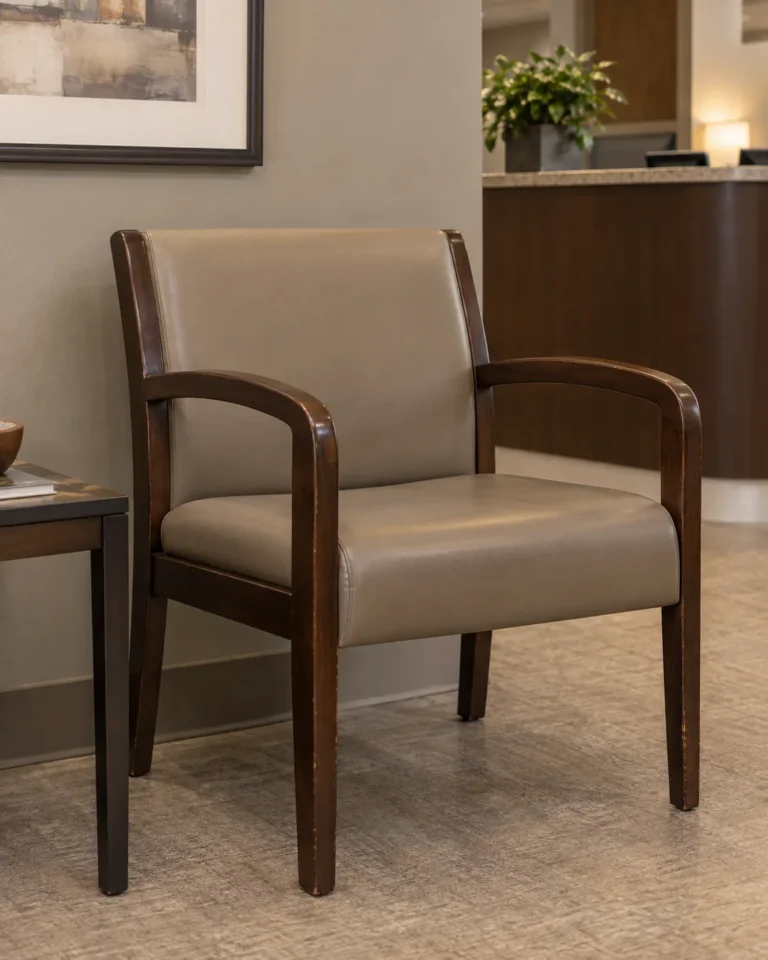
The conference table is the toughest piece in any commercial space: it is lit from overhead and people sit looking at it for an hour at a time. Commercial wood furniture restoration CT offices schedule usually involves one of these four.

Why the finish determines the method
An older household piece is often finished in shellac, which can be softened and blended back together. Commercial furniture rarely is. Makers specify catalyzed lacquers because they stand up to cleaning, and that same toughness means they cannot be blended back together the same way.
What is possible
 Recoat a sound finishScuffed and recoated, which is fast and keeps the original color.
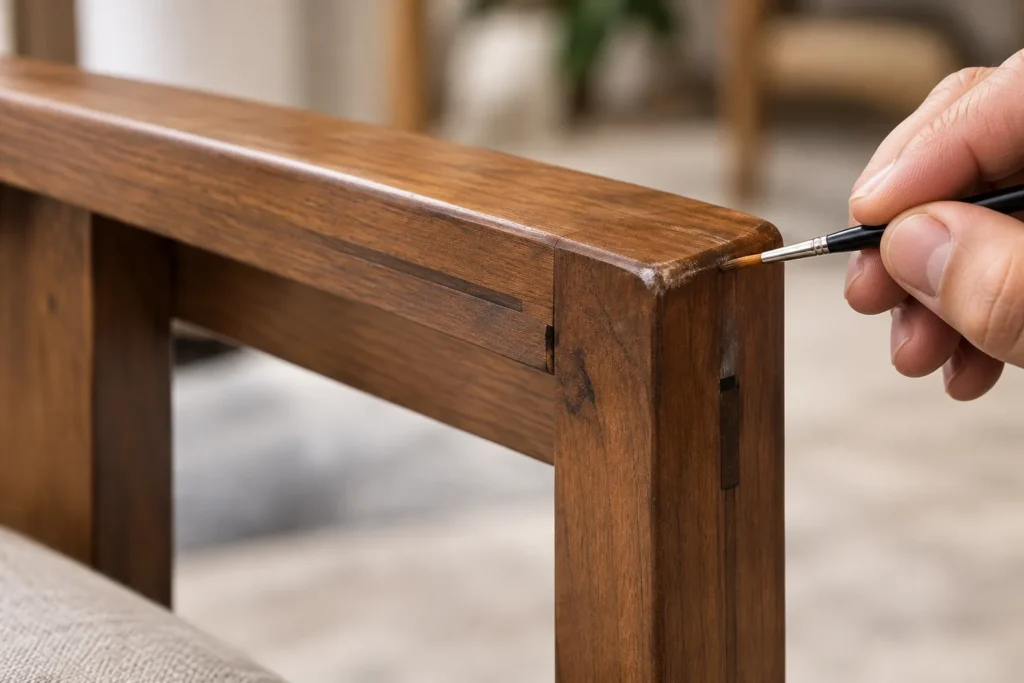
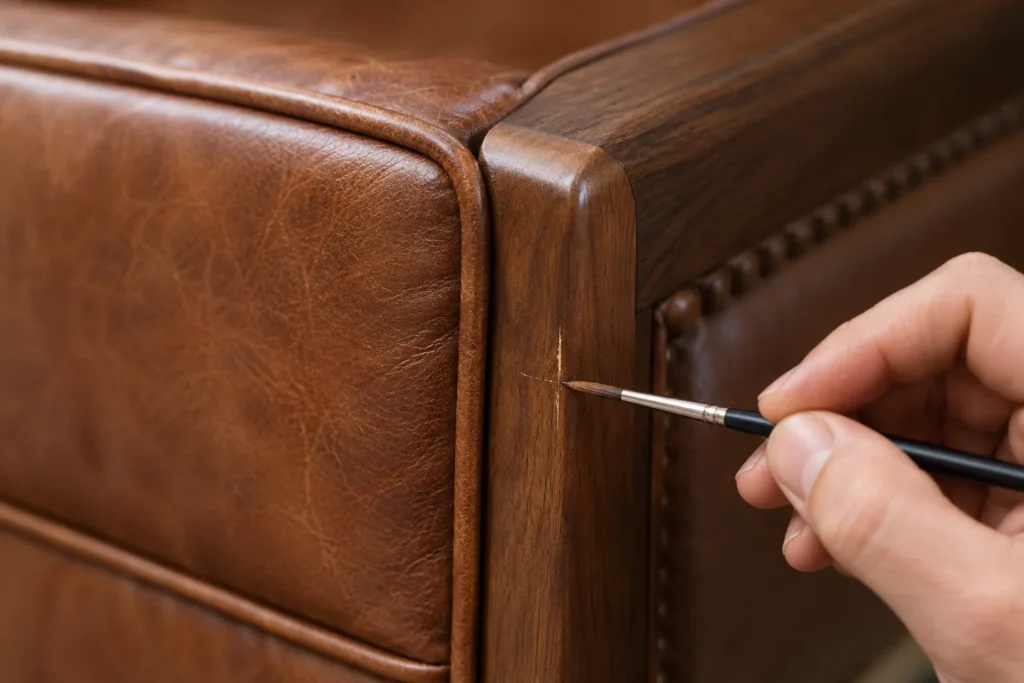 Rebuild worn edgesWhere the finish has worn through on a corner or a table edge.
What catalyzed finishes prevent
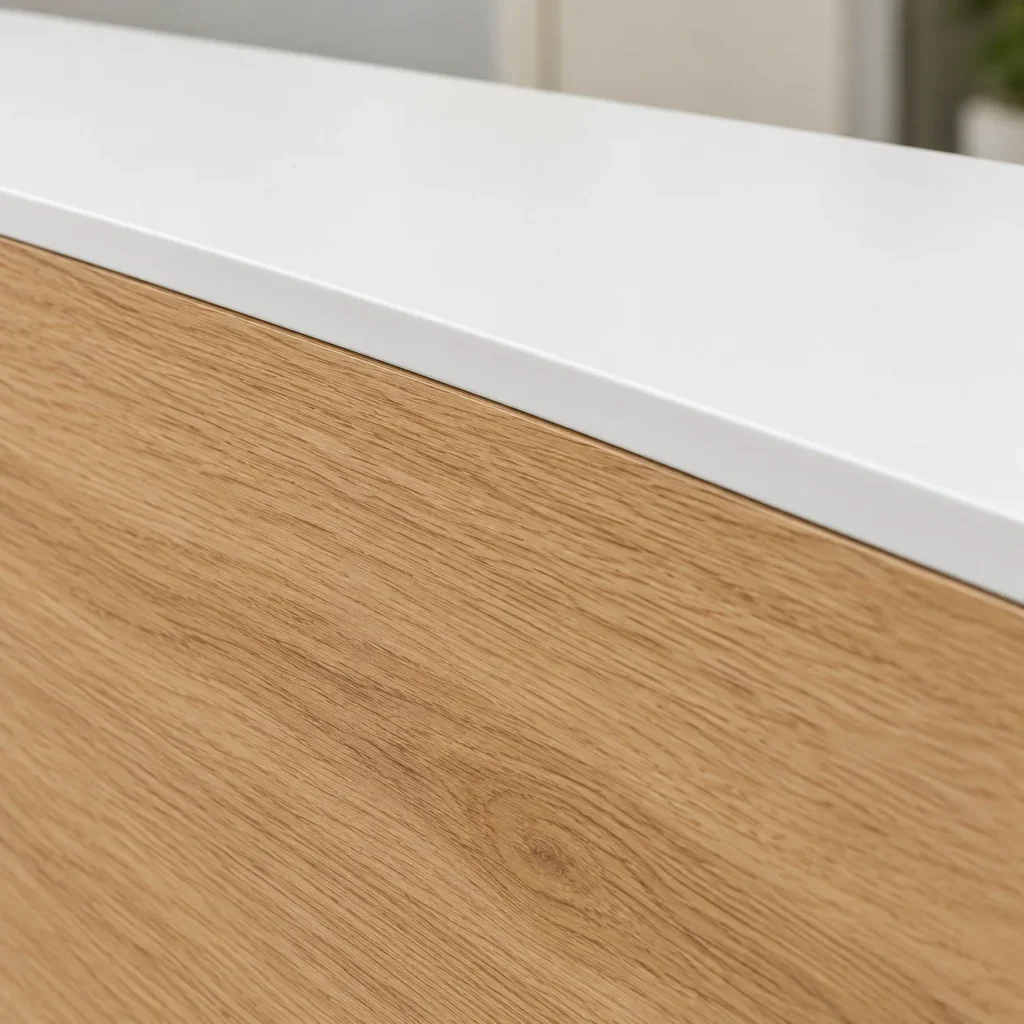 No re-flowingA catalyzed coat cannot be softened and blended, so spot repairs have limits.
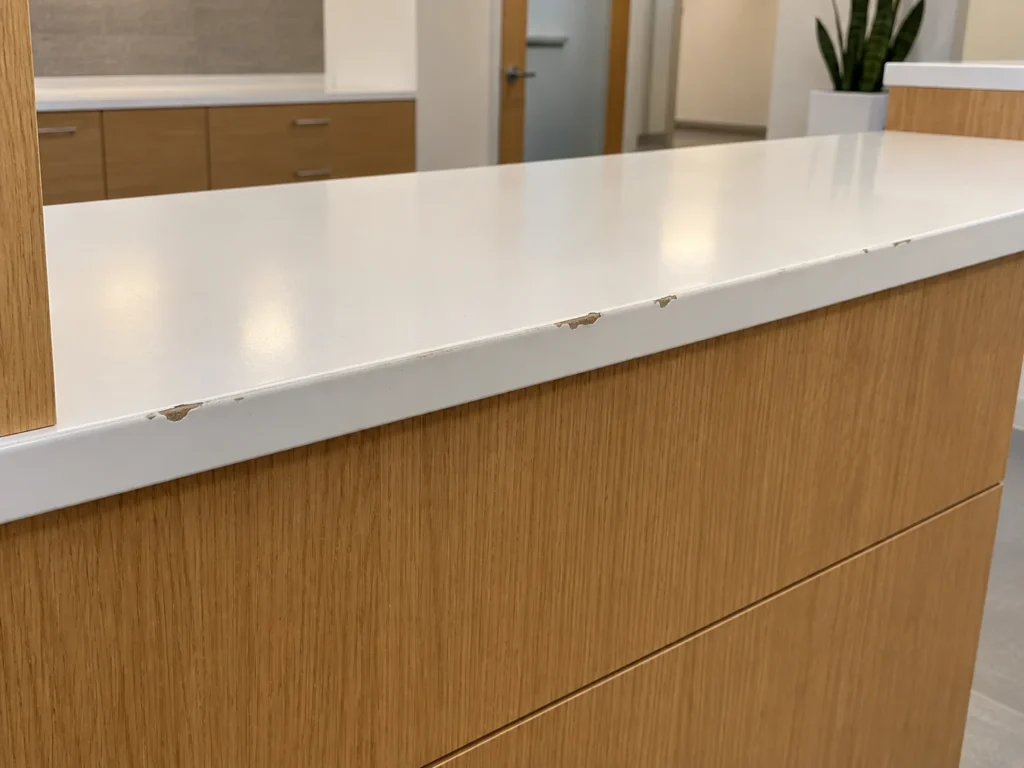 No sanding laminateIf the surface is laminate rather than wood, sanding breaks through the print immediately.
Identify, test, then recoat or strip
Identify the material
Solid wood, veneer or laminate: three separate jobs that can look the same color.
Test the finish
A solvent test on the underside shows whether a new coat will bond or sit on top.
Recoat where it works
Much less expensive than stripping, and the existing color stays.
Strip only when necessary
Often a single tabletop in a room, not every piece.
A few rings, or the whole top
For local damage — chips, a ring, a scuffed rail — see commercial wood repair, which costs far less. When the whole surface has failed, the method and the solvent test behind it are explained on furniture refinishing, along with the cases where stripping is the wrong choice altogether.
Commercial Wood Furniture Restoration CT FAQ
Questions facilities teams ask about wood.
Does the entire table need stripping?
Usually not. When the current finish is sound enough to scuff and recoat, commercial wood furniture restoration CT work costs a fraction of a full strip, and the color your space was designed around stays.
How can you tell if it can be recoated?
With a solvent test on the underside. It takes about a minute, it settles the question, and we can walk you through doing it yourself before anything leaves your building.
Our tables are veneered. Does that matter?
Not for a recoat. It matters a great deal for stripping, because commercial veneer is thin and there is no second chance if a sander cuts through it.
How do you handle a whole room of tables?
In batches. Pieces come to the workshop on dates set around your calendar, and curing time is built into the plan.
Can laminate be restored?
Its surface coating cannot, but damage in it can be filled, tinted and grain-printed. The wood repair page explains how.
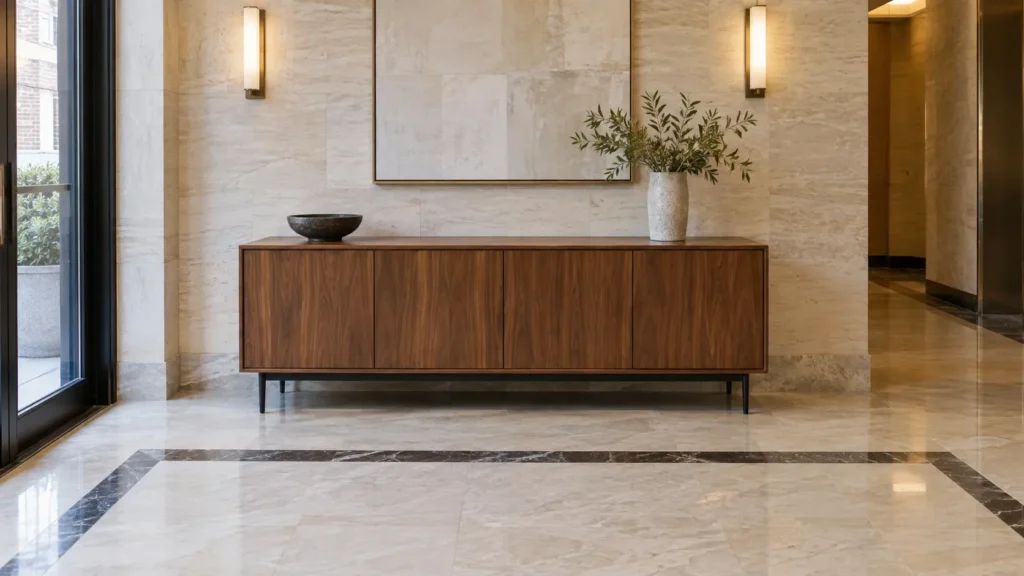
Send one photo with the room lights on
A tabletop photographed under its usual overhead lighting reveals the finish problems that daylight hides entirely.
Or call (347) 310-7483 · office@leatherrestorepro.com