
Home / Commercial / Capabilities / Material Matching
Sourcing a cover that is gone · ConnecticutUpholstery Material
Matching CT
Tracing the exact cover on your seats, or the closest contract-rated substitute. Upholstery material matching CT businesses ask us for begins with a hard truth: a cover bought more than five years ago is likely out of production.
Three real optionsContract-rated substitutesCall (347) 310-7483
Three options, and the last one usually wins
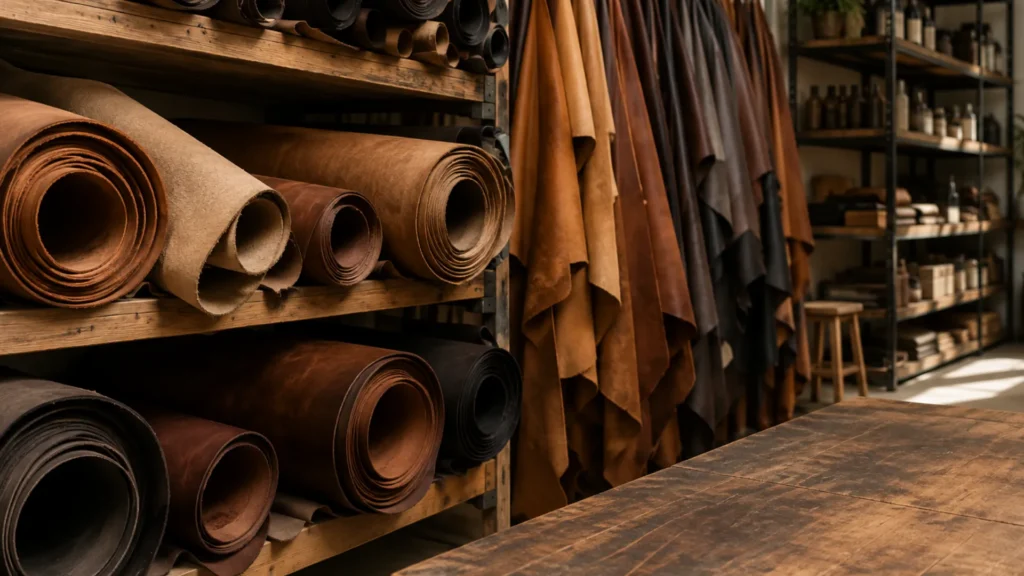
Once a cover is out of production, you have three choices. Track down whatever is left of that exact article. Accept a contract-rated substitute that comes close without being the same. Or recover the entire run to a new spec, so no seat has to match an old one. Across five years that last choice tends to cost the least: chasing a fading article means paying extra for leftover stock today and again in two years, and still owning a room in two shades. Most vendors only ever put the first two on the table.

Leather, vinyl, fabric and the batch
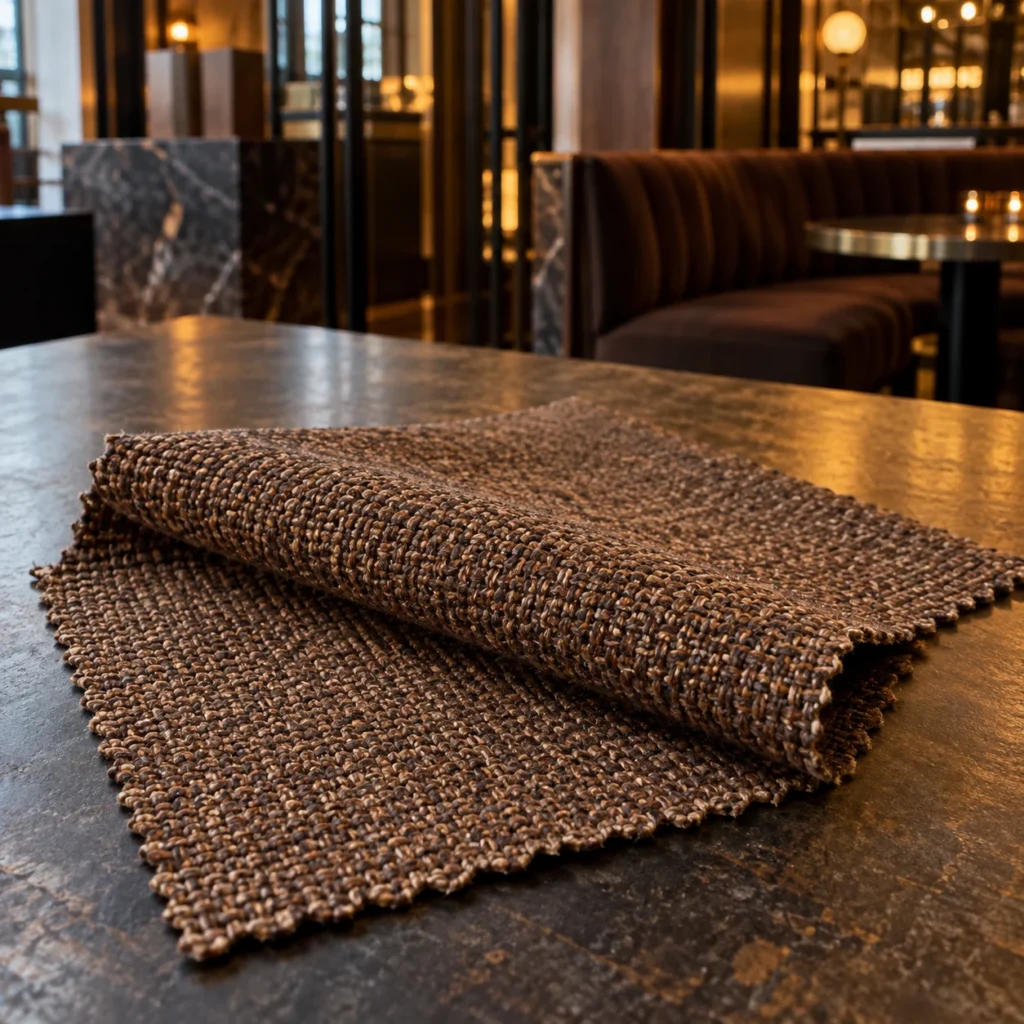
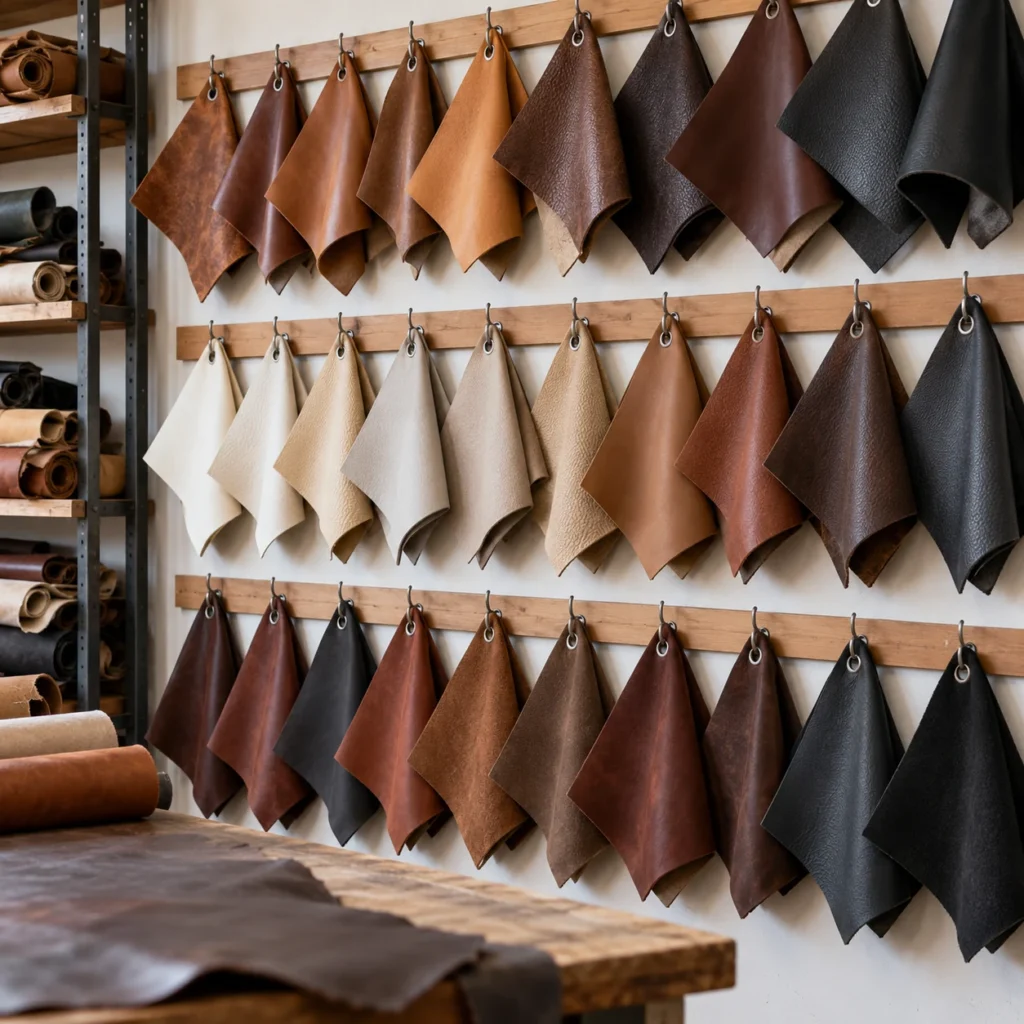
Upholstery material matching CT clients need is seldom a single material. One dining room or lobby can carry leather where hands land, vinyl where staff wipe down, and fabric where nobody touches, and all three have to look like they belong together.
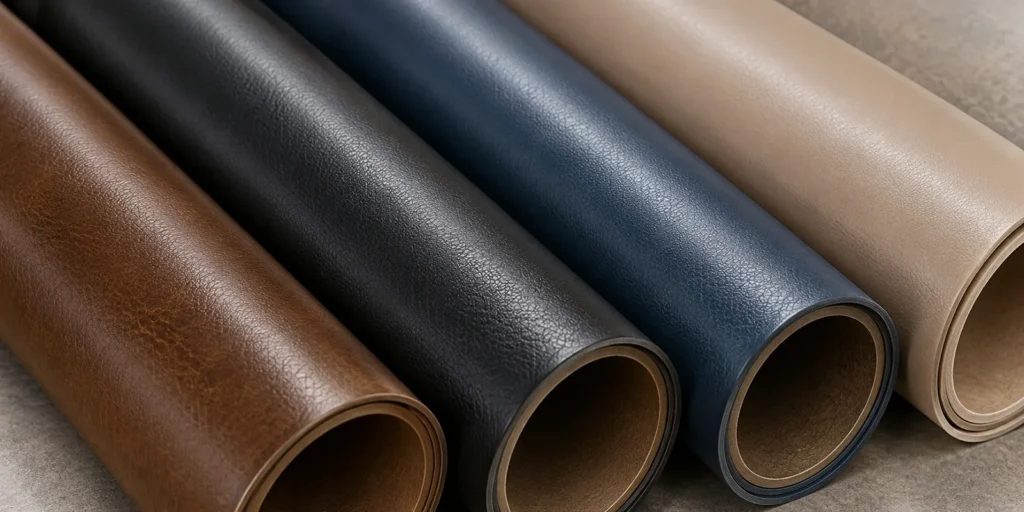
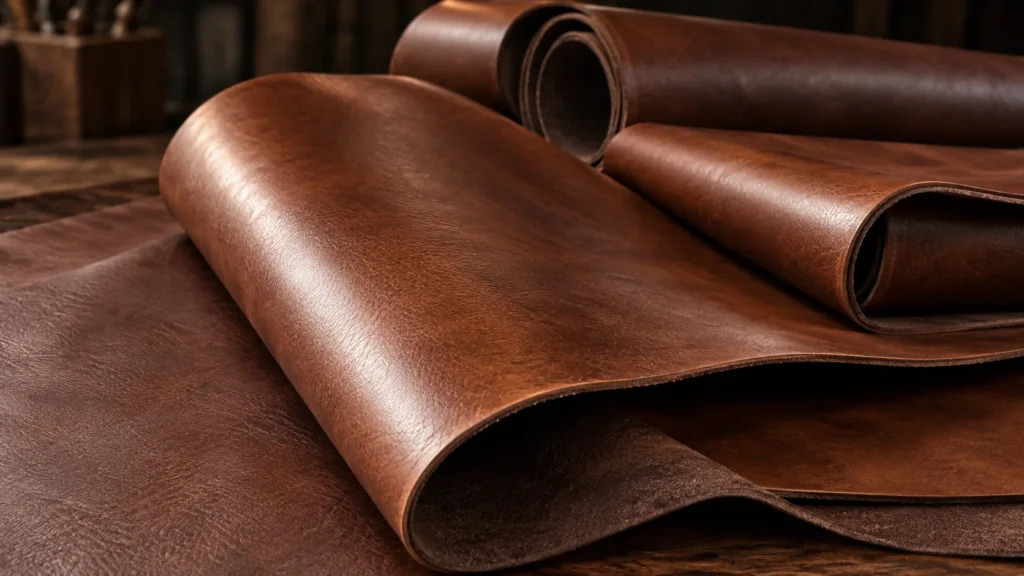
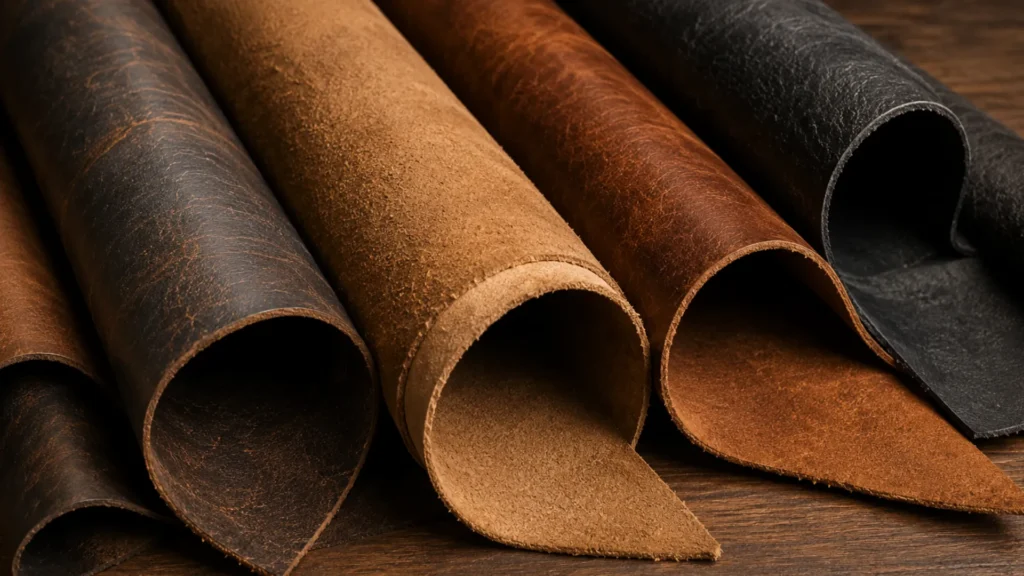
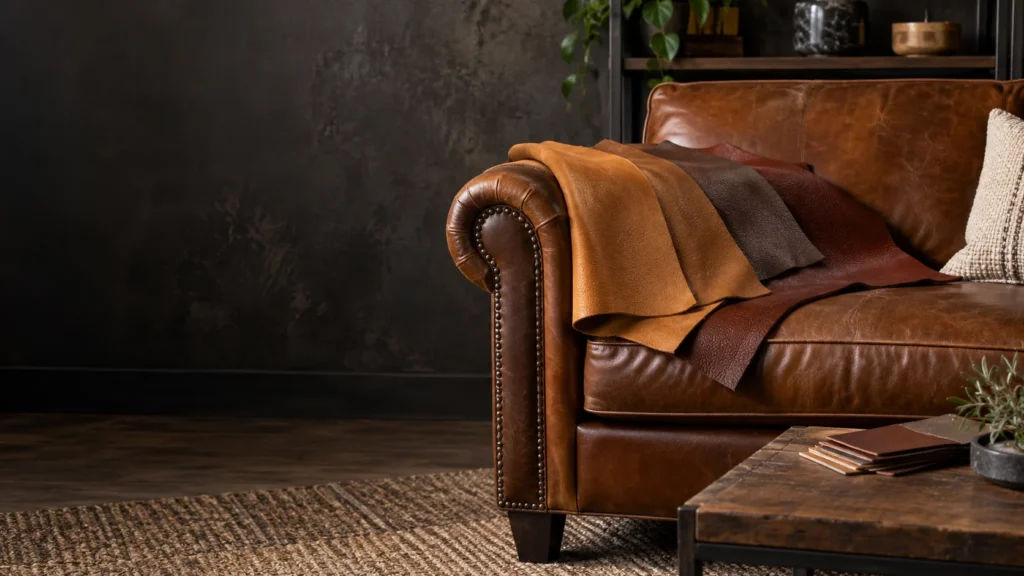
The tag says more than the color does
Most of what matters about a cover is printed on its label or roll end. Photograph both before anyone judges by eye, since an article number plus a lot number turns a search into one call to a supplier.
What to photograph
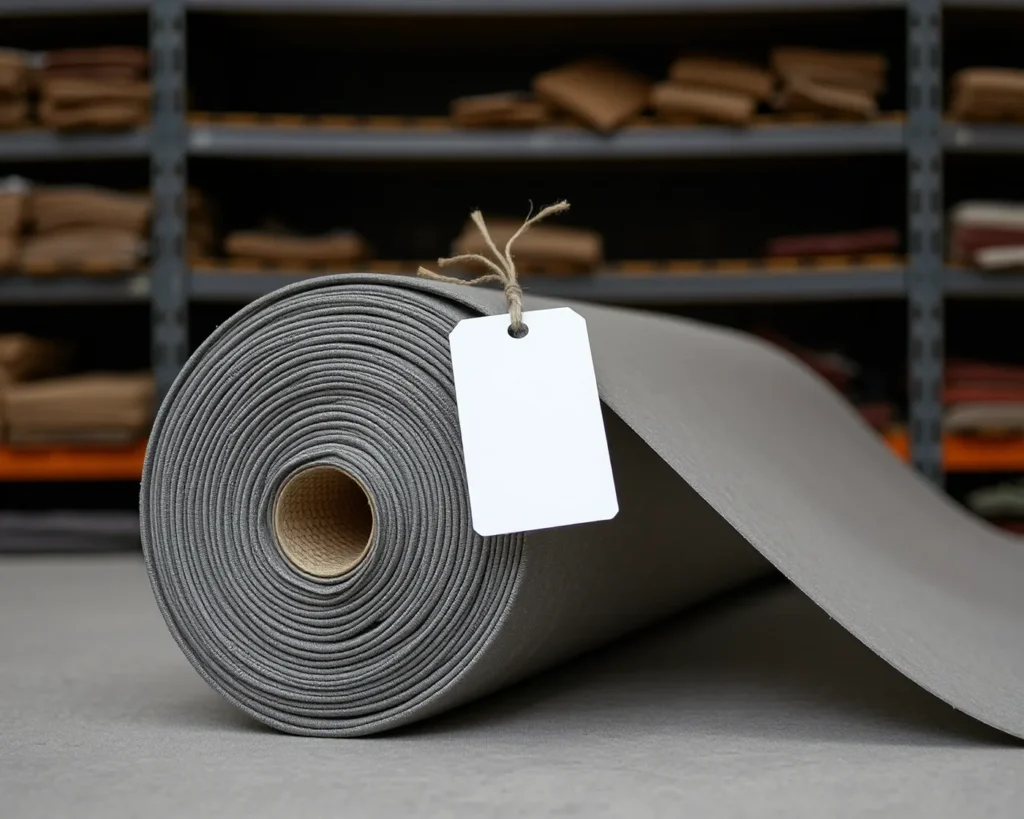 The roll end tagIt carries the article number, the grade and the lot. No other photo helps as much.
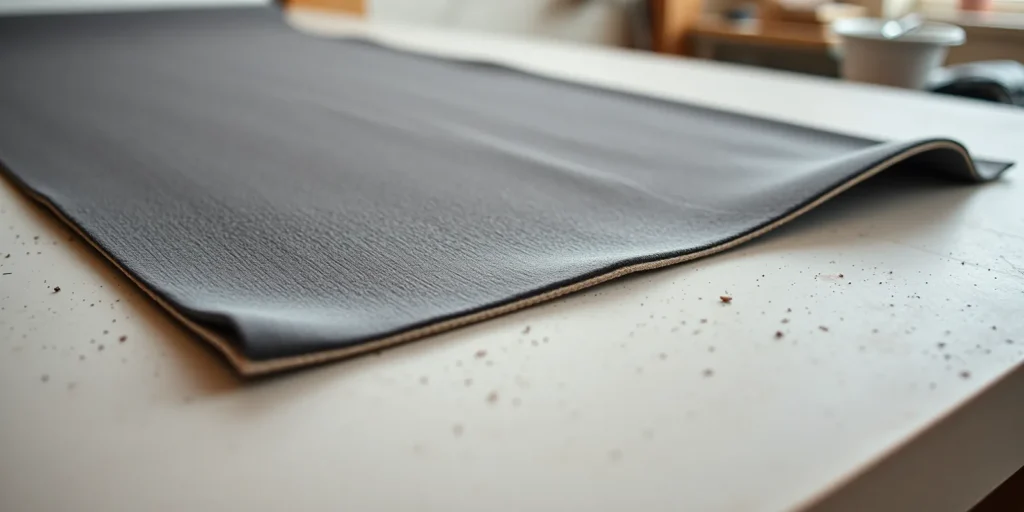 A cut edgeThickness and backing narrow the grade down right away.
How we judge it
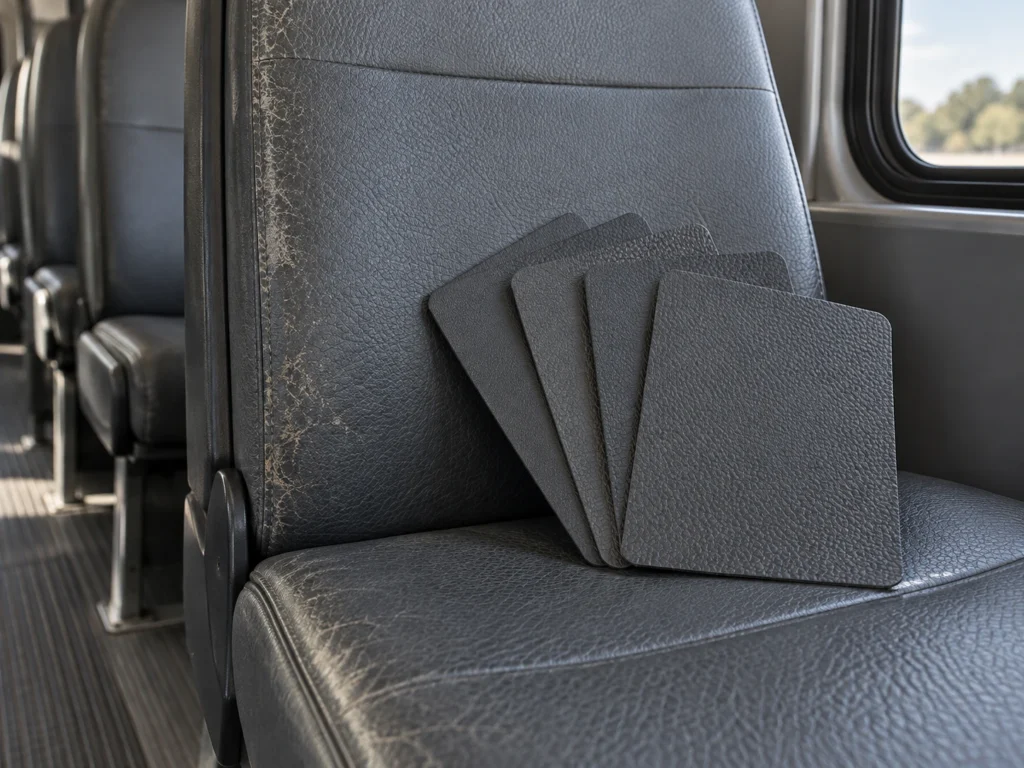 Against a real seatSamples laid on an actual cushion, never picked from a printed book.
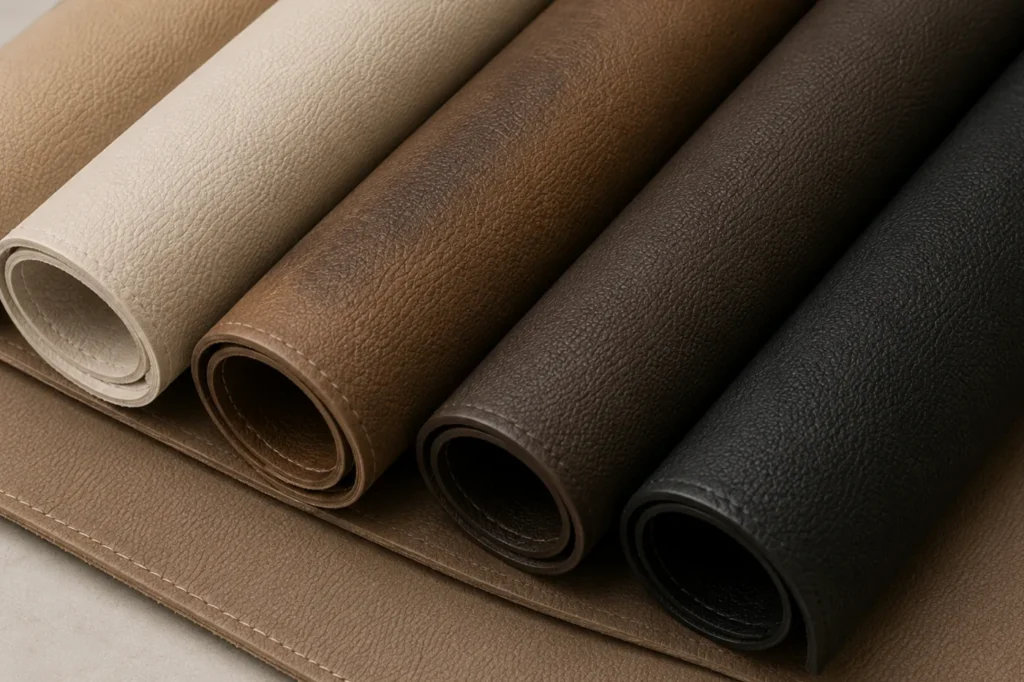 Across materialsSo leather, vinyl and fabric sharing a room still read as one scheme.
Identify, trace, choose
Shoot the label
Look under a seat or along the frame. Most commercial pieces still carry one.
We chase the article
If stock is out there, we locate it and tell you where the lot stands.
Samples in your hands
Rated substitutes mailed to you, or judged here against one cushion you send.
Make one decision
Match, substitute, or change the run, with a five-year cost next to each.
Find the material first, then the color
When the material is still made and only the shade has drifted, you need color matching, not sourcing. When you choose to change a run outright, that becomes commercial reupholstery, and why a set should be cut from a single batch is covered on the hide-yield page.
Upholstery Material Matching CT FAQ
Questions we hear once a cover goes out of production.
The fabric on our seats is discontinued. Now what?
You have three options and we quote every one: find leftover stock, switch to a contract-rated substitute, or recover the whole run. With upholstery material matching CT jobs, the third option is often the cheapest, and it is the one other shops rarely raise.
Which photos should we send?
The label under a seat and the end of any spare roll. With an article number and a lot, a search becomes a single phone call.
Will a substitute stand out?
Right next to the original, it can. That is why you judge samples on your own seats instead of in a book, and why redoing the full run is often the smarter call.
Do you keep material in stock?
Yes for commercial vinyl and contract fabric in the usual colors, and a run gets cut from one batch. Leather is ordered for each job.
When does a cover count as "likely discontinued"?
At around five years for vinyl and fabric. A leather article can stay in production longer, but the original batch will be long gone.
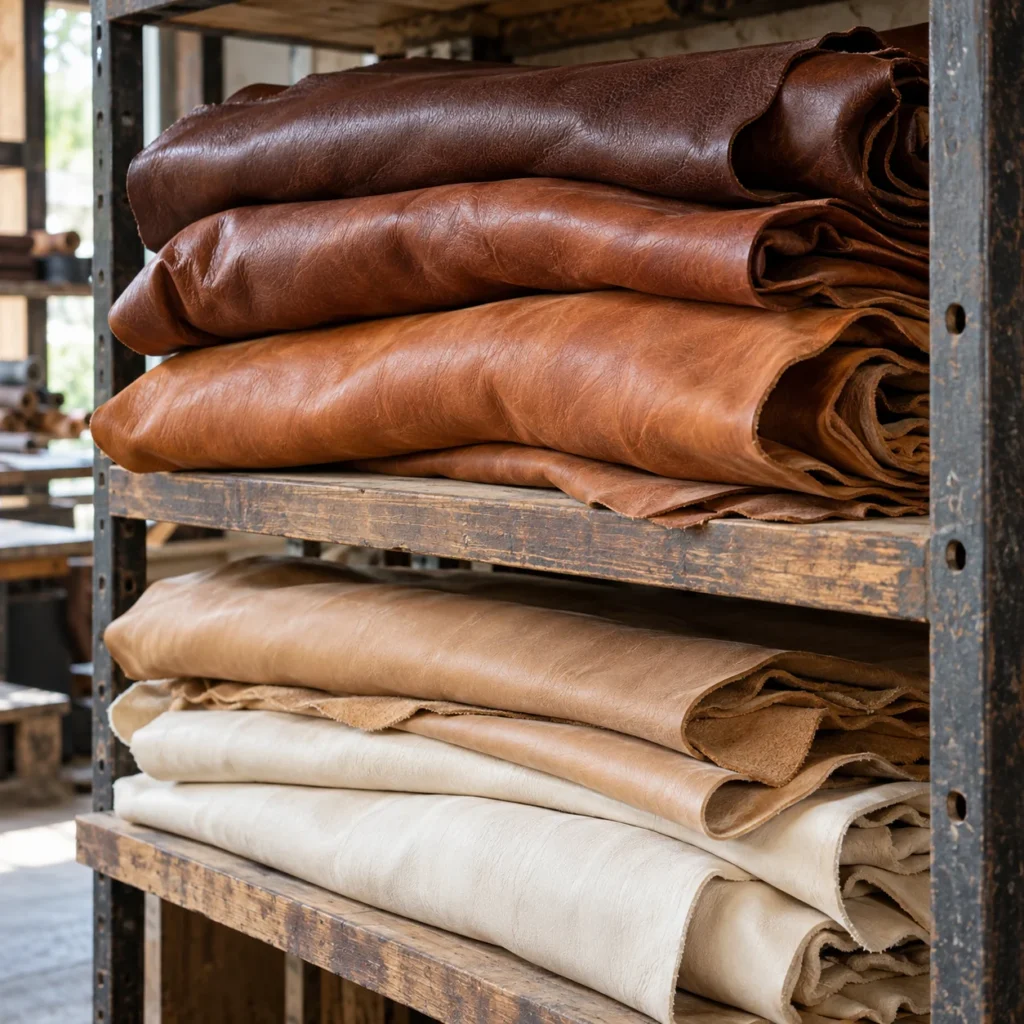
Photograph the label, skip the color
One picture of the tag under a seat beats any description of the shade.
Or call (347) 310-7483 · office@leatherrestorepro.com