
Home / Commercial / Restoration / Leather
Moisture first, color second · ConnecticutCommercial Leather
Restoration CT
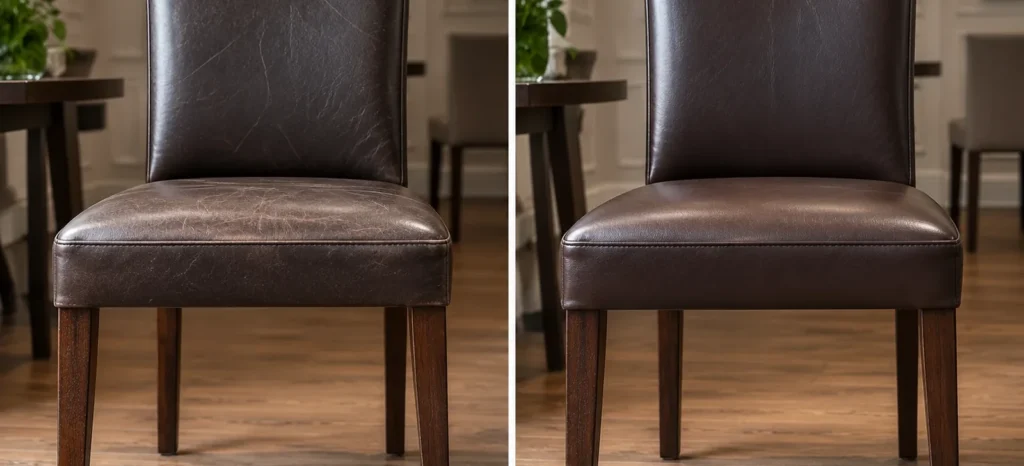
Parched, crazed, worn-looking hide revived before cracks set in. Commercial leather restoration CT businesses need typically starts with putting moisture back, not with color, because moisture is what the building drained away.
Conditioned, then finishedCrazing treated earlyCall (347) 310-7483
Dryness kills it, not wear
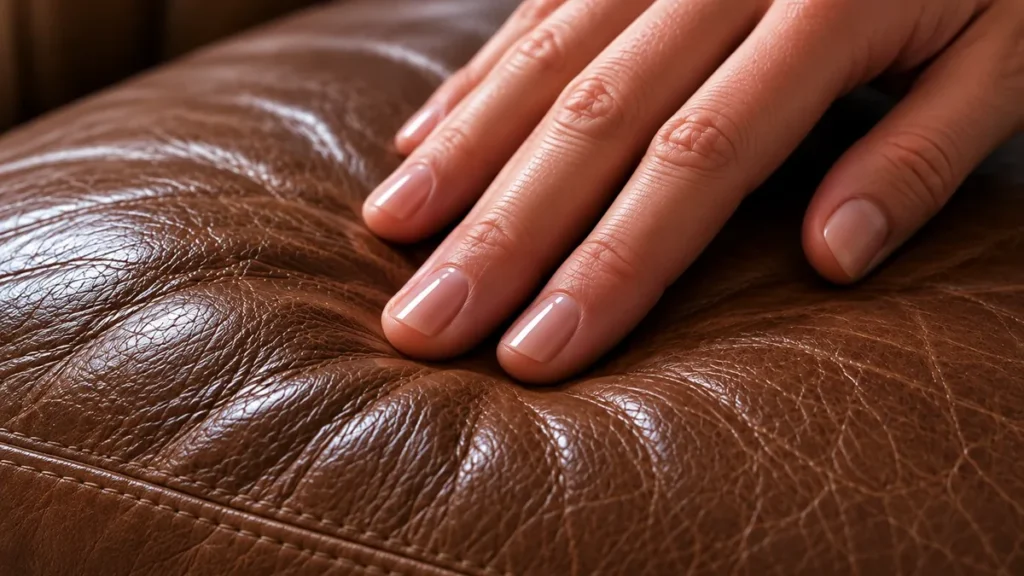
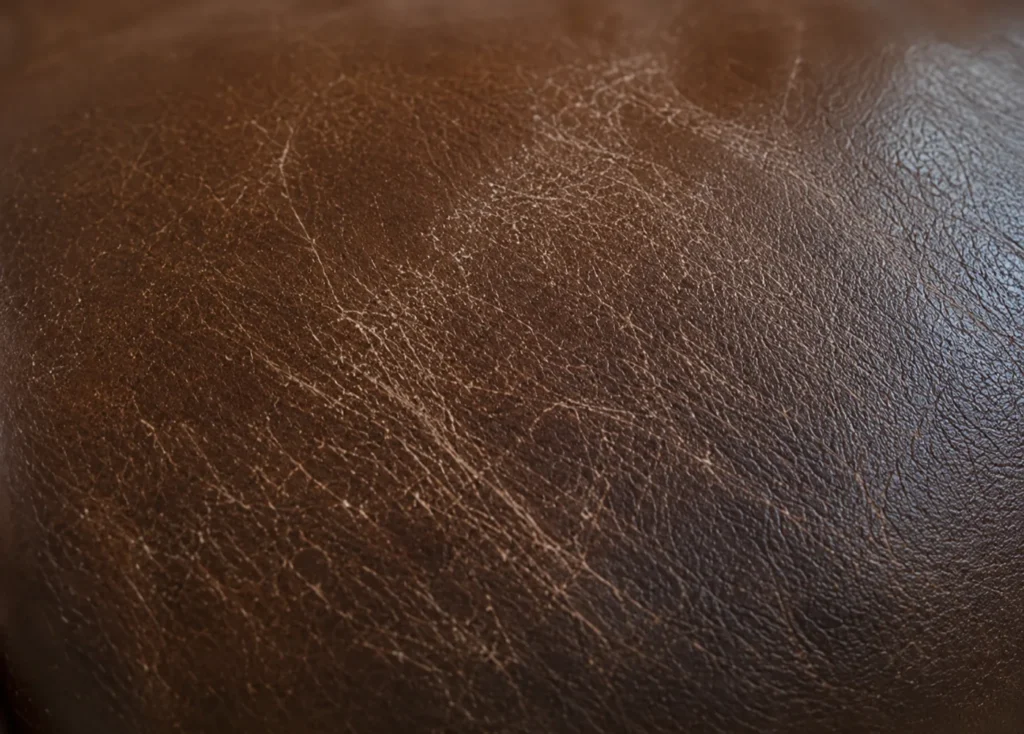
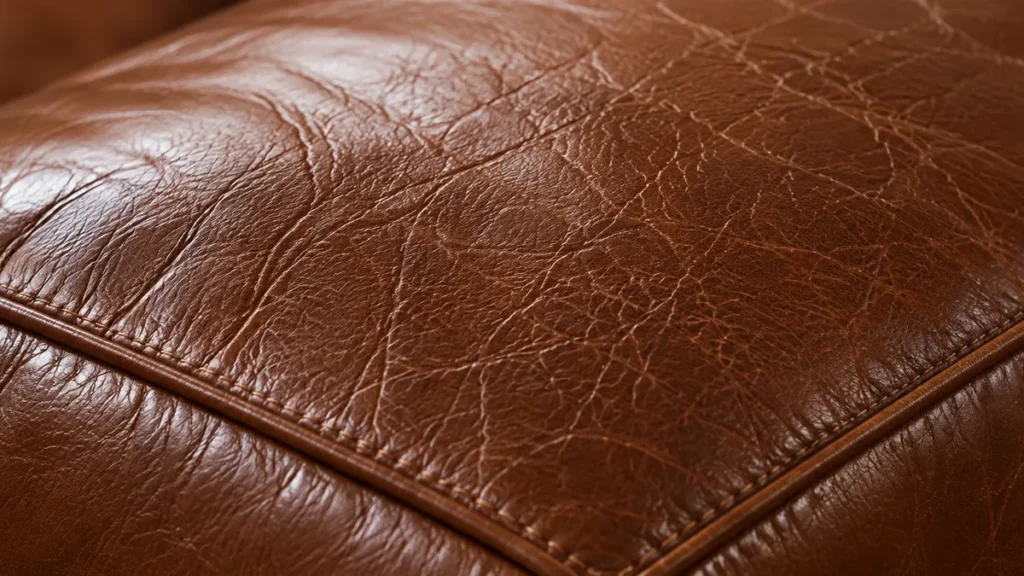
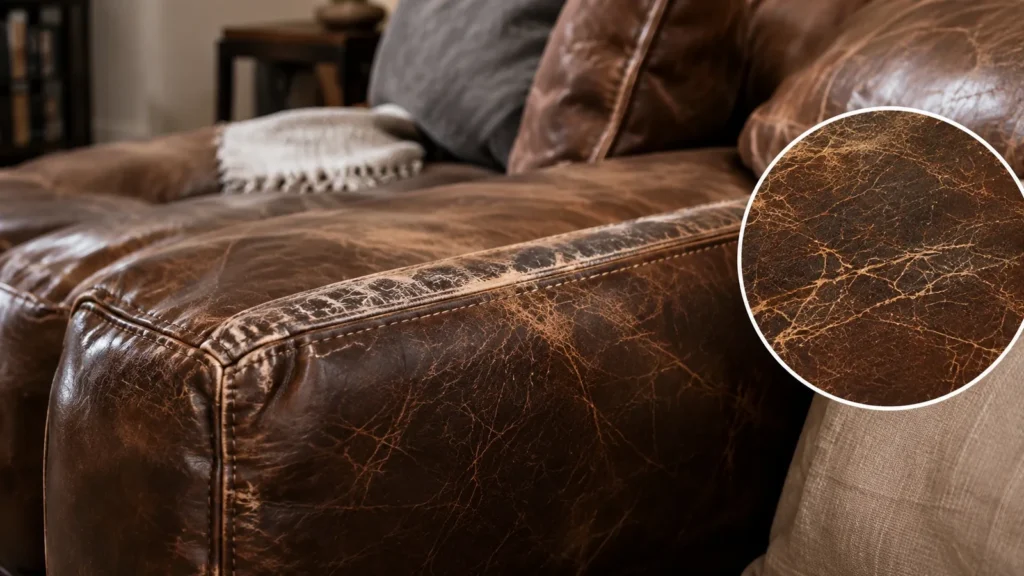
Lobbies and conference rooms run air conditioning twelve hours a day, at humidity far below anything a living animal was built for. The hide gives up moisture from within. Its fibers go stiff, the surface can no longer flex with the cushion, and a fine web of crazing appears well before anyone has actually worn through it. Push on a seat and you can tell right away — dry hide feels like cardboard and makes a faint papery sound. That is why, on commercial leather, the first step is normally restoring moisture, with color work following later.
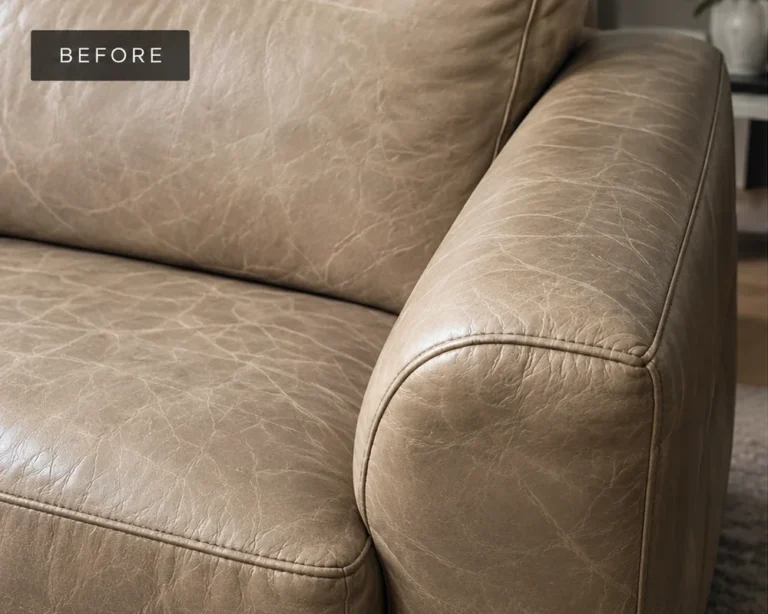
Front edges, headrests, arms and seams
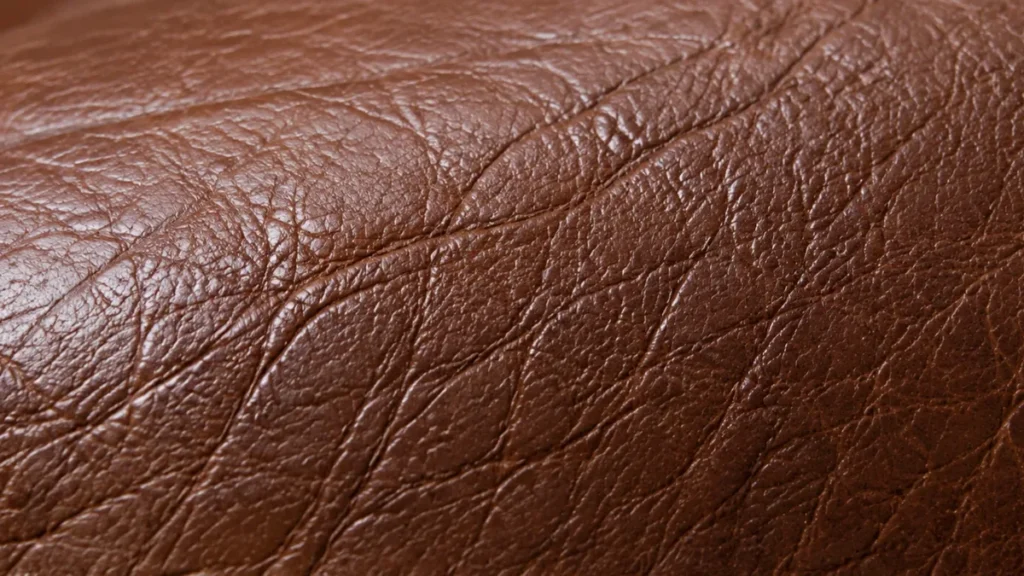
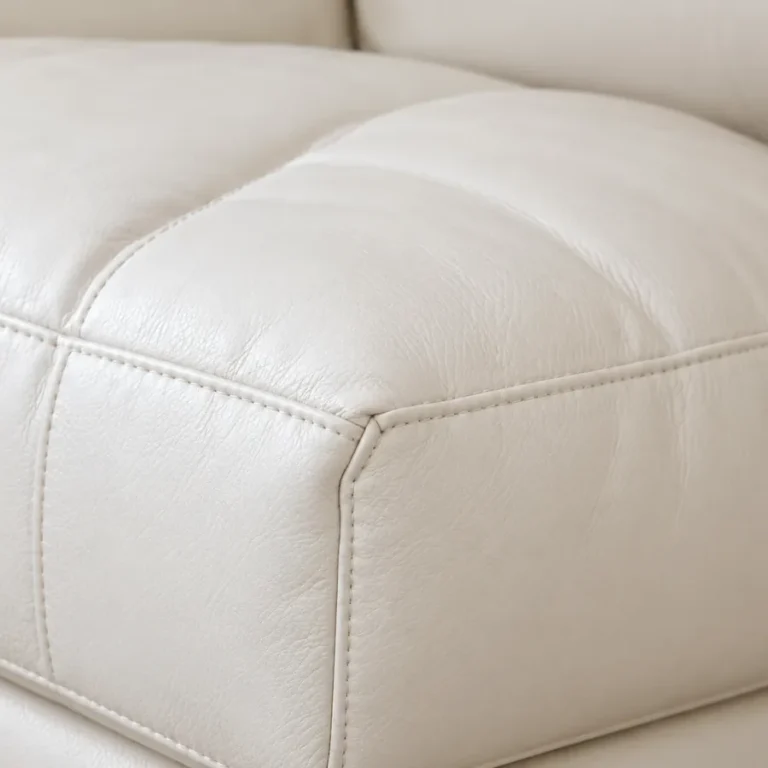
Commercial leather restoration CT facilities request seldom starts as a problem with the whole piece. It shows up where the hide bends most and gets cleaned most, so check those spots before deciding a room is in good shape.
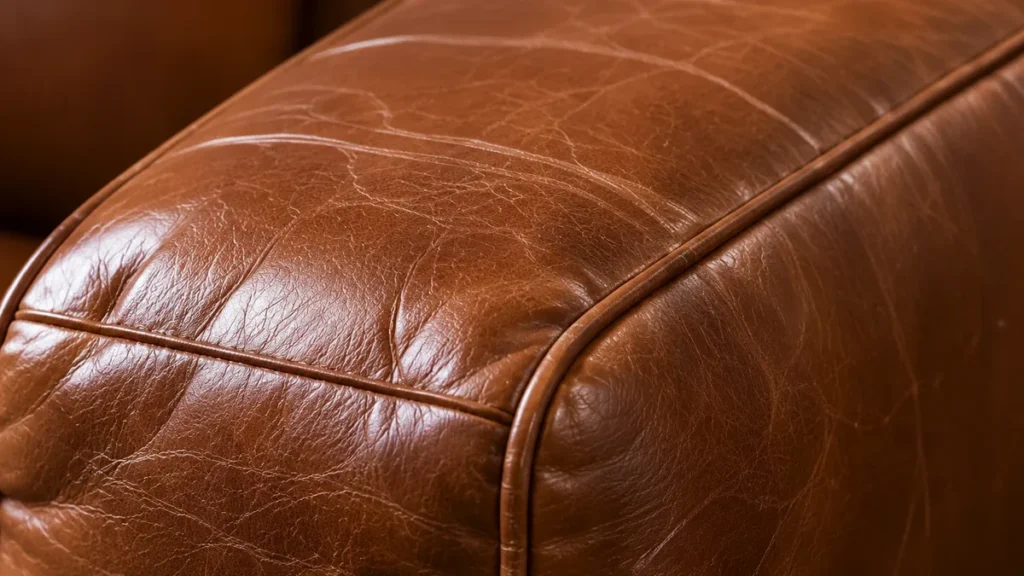
What we apply, and what to avoid
Good intentions destroy more commercial leather than guests ever do. The three products below show up again and again in buildings where someone bought a helpful-looking bottle, and every one of them makes the next restoration harder, or rules it out.
What helps
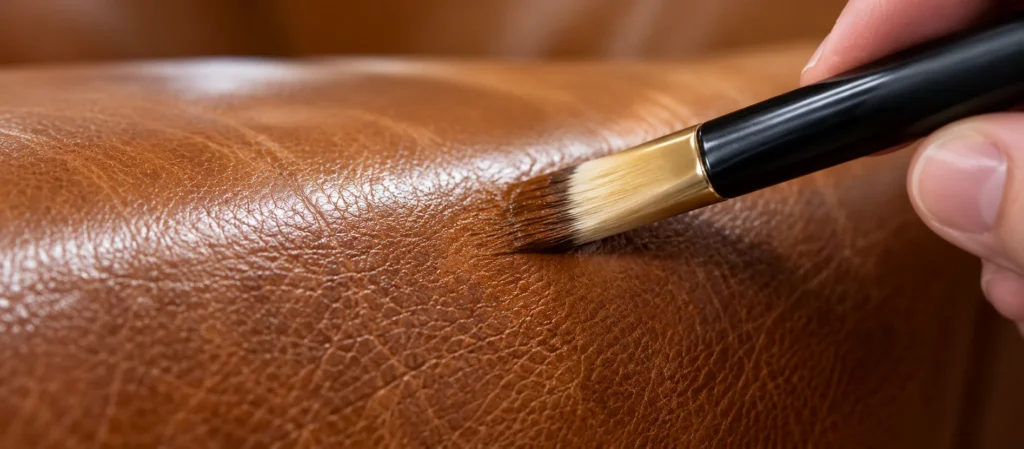 Massaged in, not wiped overApplied so it reaches the hide instead of resting on the topcoat.
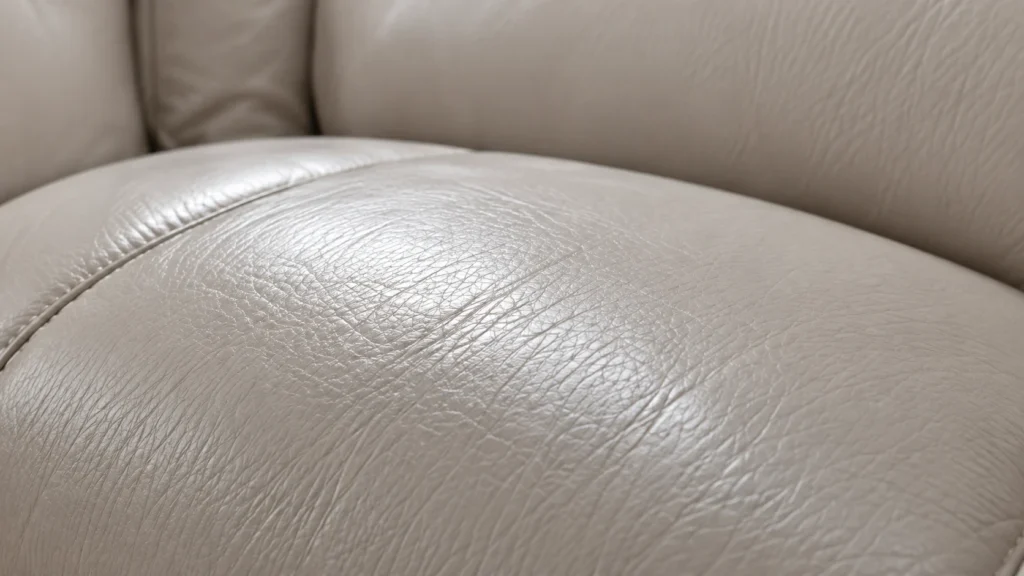 GraduallyA few light coats always outperform one heavy one.
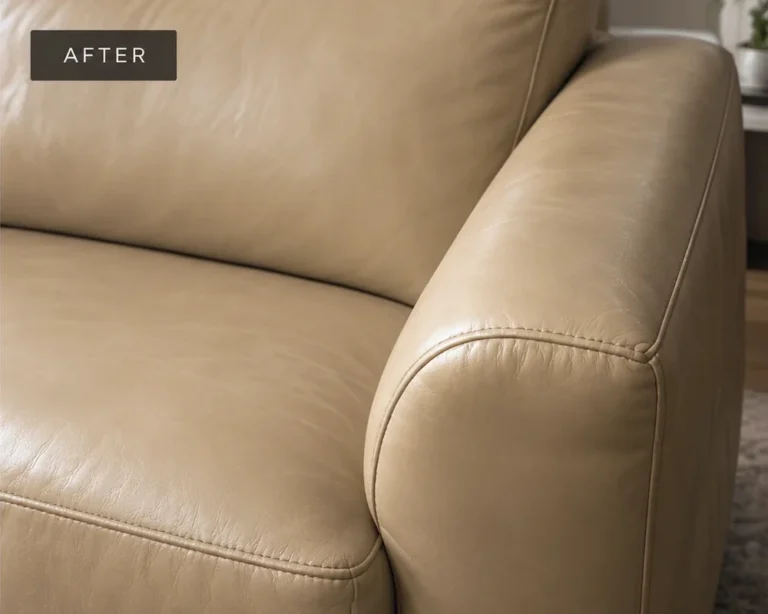 Flexibility restoredSuccess means it bends again, not that it gleams.
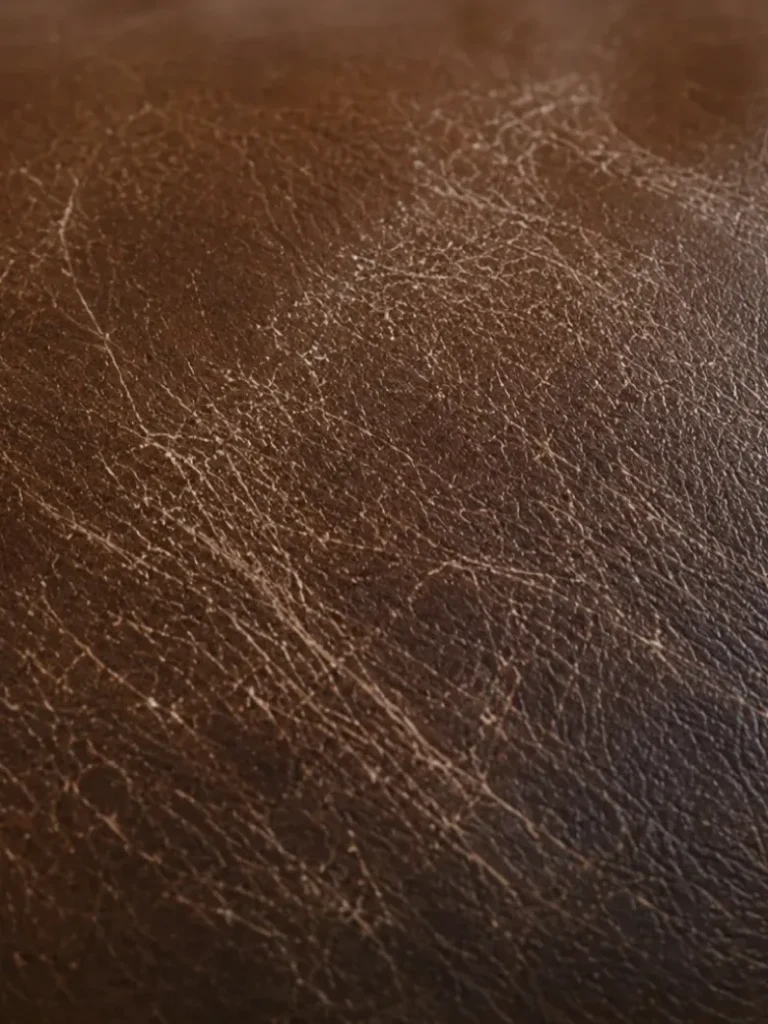 Crazing stabilizedWhen found early, it can be bonded and refinished.
Keep these off
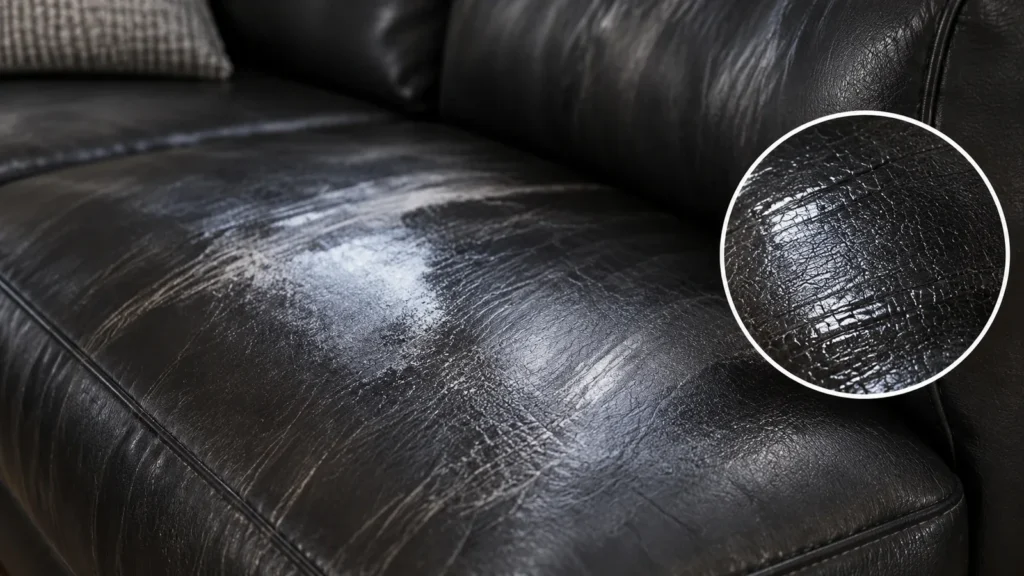 Silicone spraysThey add gloss and seal the surface. Afterwards nothing can condition or recolor through them.
 Mink oilDarkens in patches and keeps getting darker. On a matched set that is ruinous.
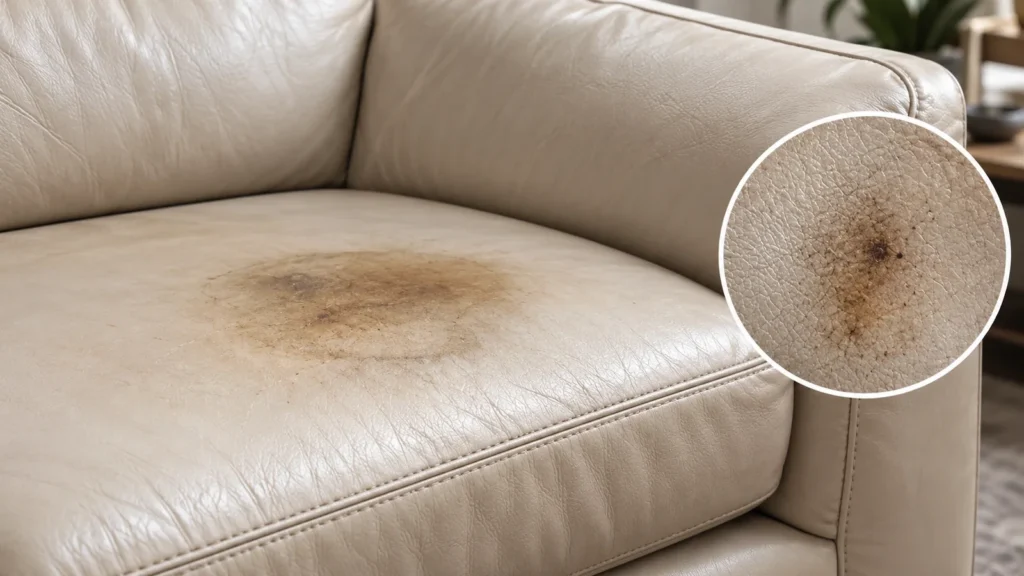 Olive oil and other food oilsThey turn rancid inside the hide. The odor shows up weeks later and stays.
 Anything not yet testedAcross forty seats, try it on a single one and wait a week.
Clean, condition, review, refinish
Remove the buildup
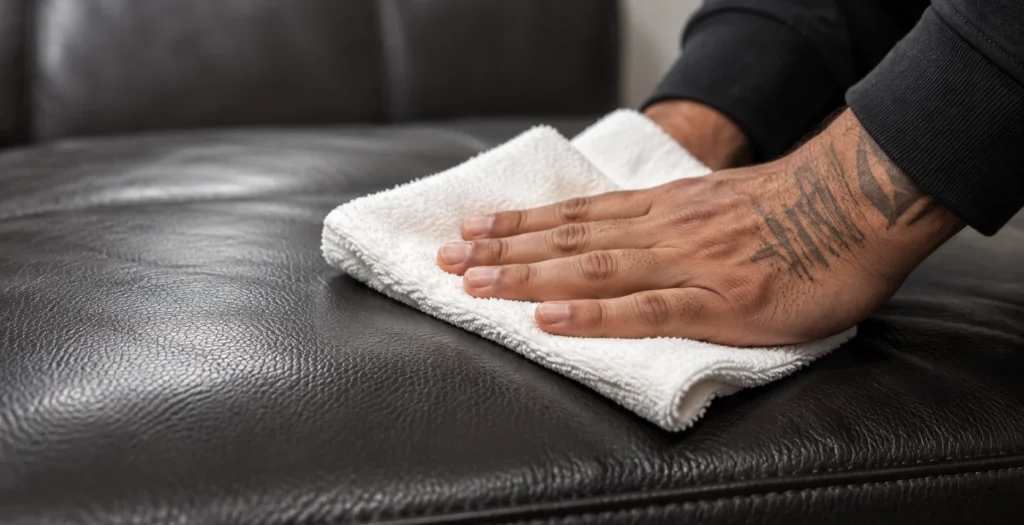
Old dressings and dirt cleared away, which is most of the labor and nearly all of the result.
Condition in passes
Moisture restored over several rounds, giving the hide time to absorb it.
Review each piece
Some need nothing further. That costs you less, and we will say so.
Recolor and seal if required
Only where conditioning alone has not brought the appearance back.
No new hide, no new color
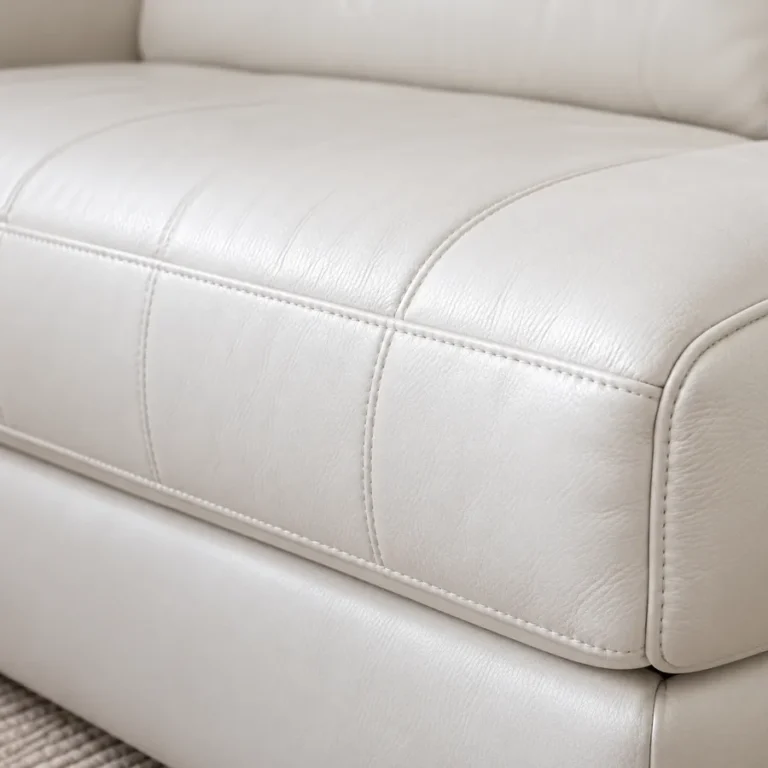
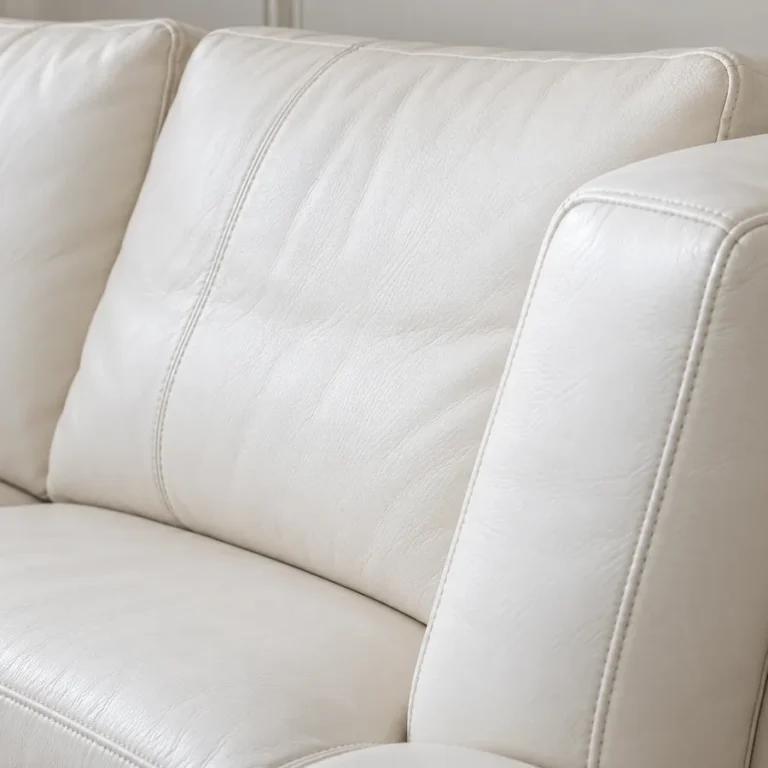
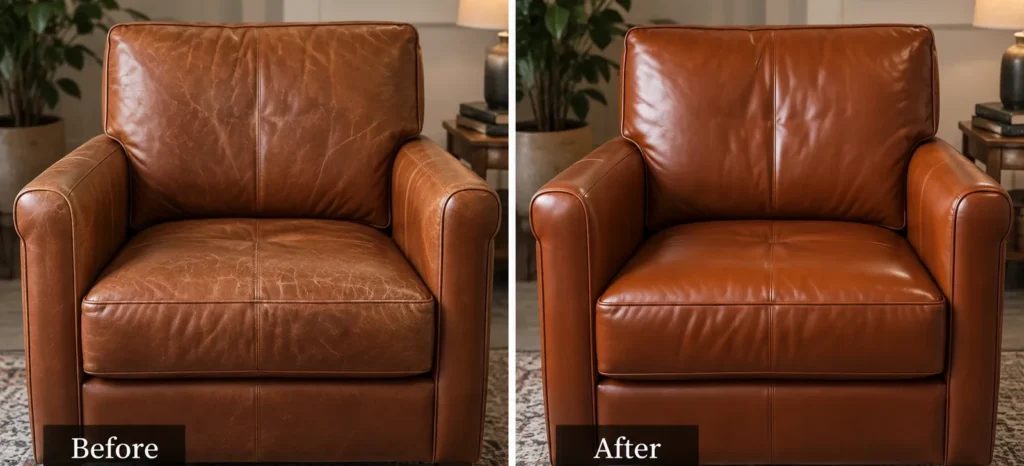
These pieces were cleaned and conditioned, and nothing more. On hide that is dry rather than worn through, this is the least expensive treatment there is, and the one most buildings put off until it no longer works.
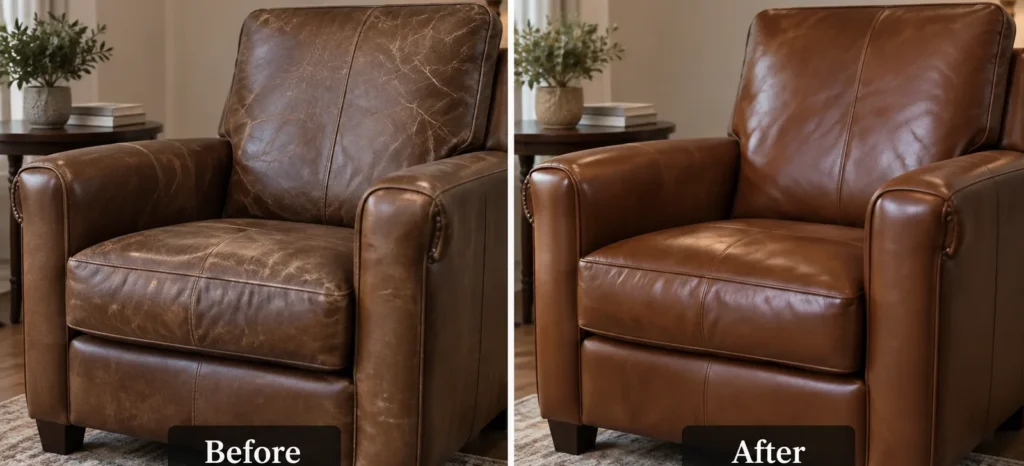
Conditioning, color, or new covers
When the hide still flexes but looks worn, this page is the least costly fix. When it flexes but the color is gone, pair it with color restoration. When it cracks as it bends, conditioning cannot reach the damage, and the straight answer is new covers. A single damaged panel on otherwise healthy seating calls for a repair.
Commercial Leather Restoration CT FAQ
Questions facilities managers ask about leather.
How can we tell if ours is dry and not just worn?
Press on a cushion and listen. Dry hide feels like cardboard and gives a faint papery sound, while healthy hide yields and springs back quietly. Commercial leather restoration CT work on dry hide costs far less than on cracked hide, so test early.
Our cleaning crew already uses a leather product. Is that enough?
Frequently it is the cause. Silicone sprays seal the surface so nothing can condition or recolor through it afterward. Show us the label before you reorder.
How often does lobby seating need conditioning?
The air matters more than foot traffic. A dry lobby with heavy air conditioning needs it much more often than a crowded restaurant, which surprises most people.
Can the work be scheduled around our dates?
Yes. Tell us which weeks are quiet and we plan which pieces come to the workshop together, so the room is never stripped bare.
Will conditioning repair crazing?
Early crazing, frequently yes, and it can be stabilized and refinished. Once it has opened into real cracks, you are looking at new covers.
Press a seat, then describe how it felt
Stiff and papery, or soft with some spring. That single detail tells us whether you need the inexpensive job or the costly one.
Or call (347) 310-7483 · office@leatherrestorepro.com