

Home / Commercial / Programs / Trade / Interior Decorators
For the piece your client insists on keeping · ConnecticutFurniture Repair for
Interior Decorators CT
Furniture your client already owns, reworked to suit a new color scheme rather than swapped out. Furniture repair for interior decorators CT jobs call for begins with the one item the client has declared off limits.
Re-dyed instead of replacedStraight answers on what will not takeCall (347) 310-7483
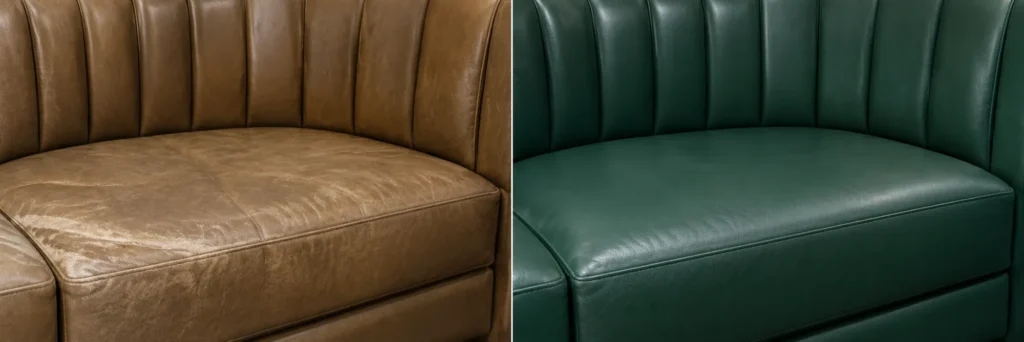
One piece is never leaving
Nearly every decorating project includes something the client will not let go. Maybe it was a family heirloom, maybe it cost a lot, maybe they just adore it, and the new look has to work around it instead of replacing it. So your task runs opposite to a designer’s. Rather than specifying fresh pieces for an empty room, you are bringing existing furniture into a color story. That is worth understanding early, because a bold color change works well on some materials and is wasted money on others, and we can tell you which is which before you commit to anything with the client.
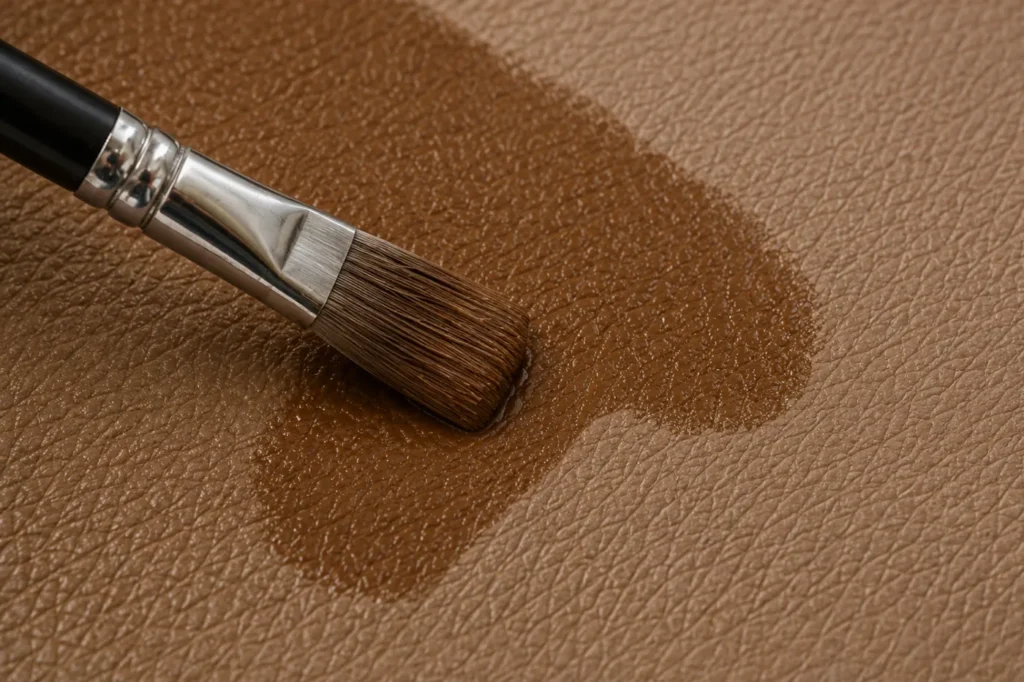
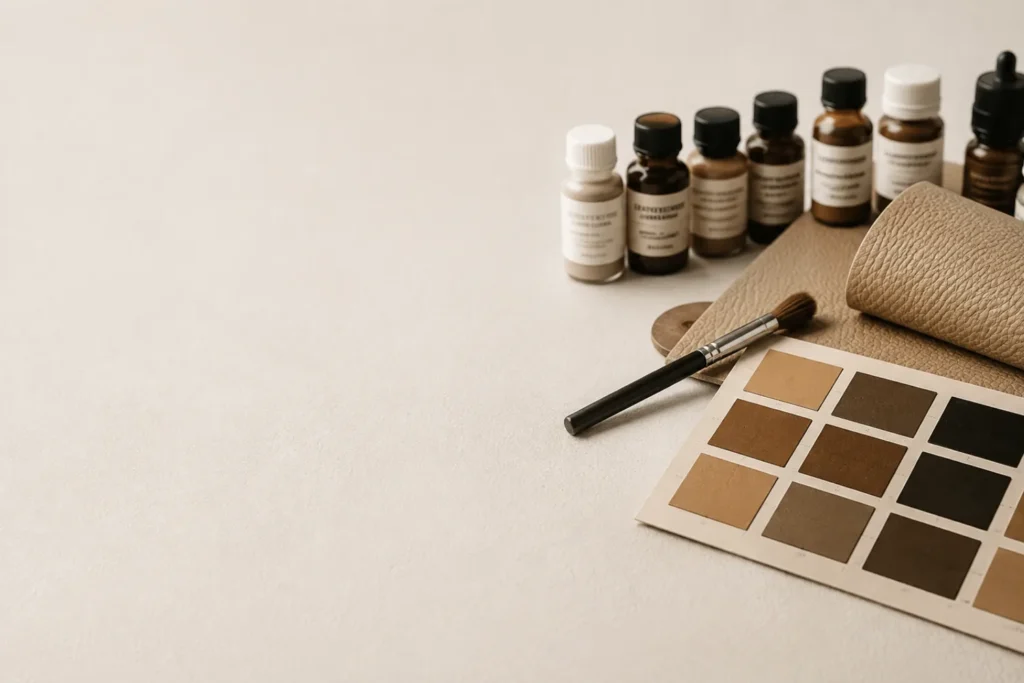

Sofas, dining chairs and the heirloom armchair
Furniture repair for interior decorators CT projects lean on is almost always the same handful of items, and each one costs less to rework than to replace with something of the same quality.

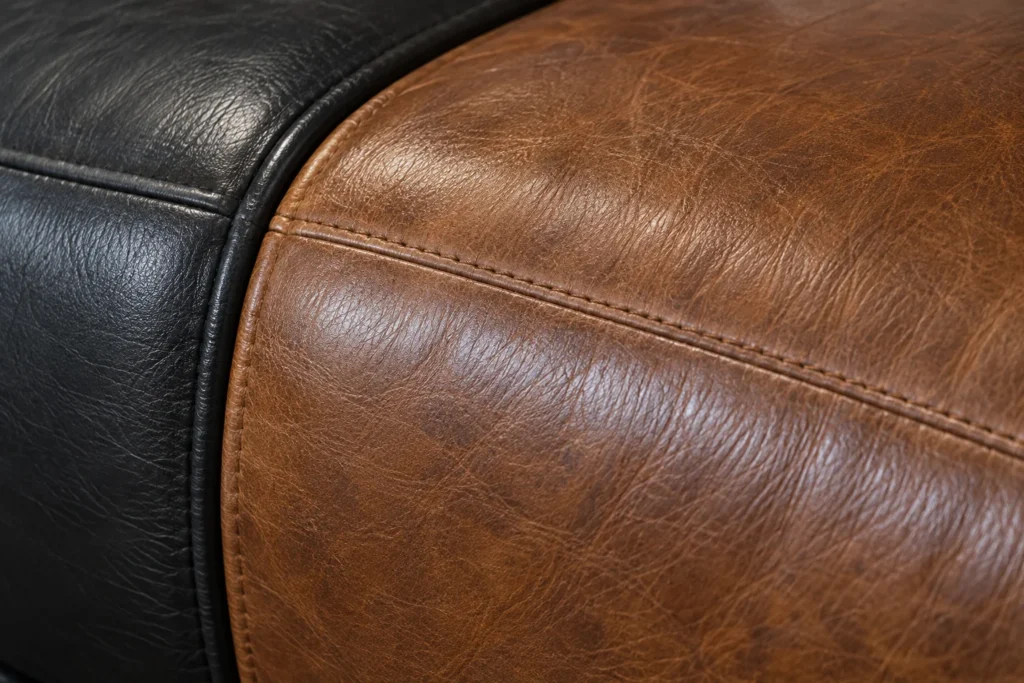


Going darker is simple. Going lighter is not
Know this before you put a swatch in front of a client. Which way the color moves matters more than how far it moves. Darkening is everyday work, while lightening means rebuilding the surface and sometimes is not worth it.
Takes color well
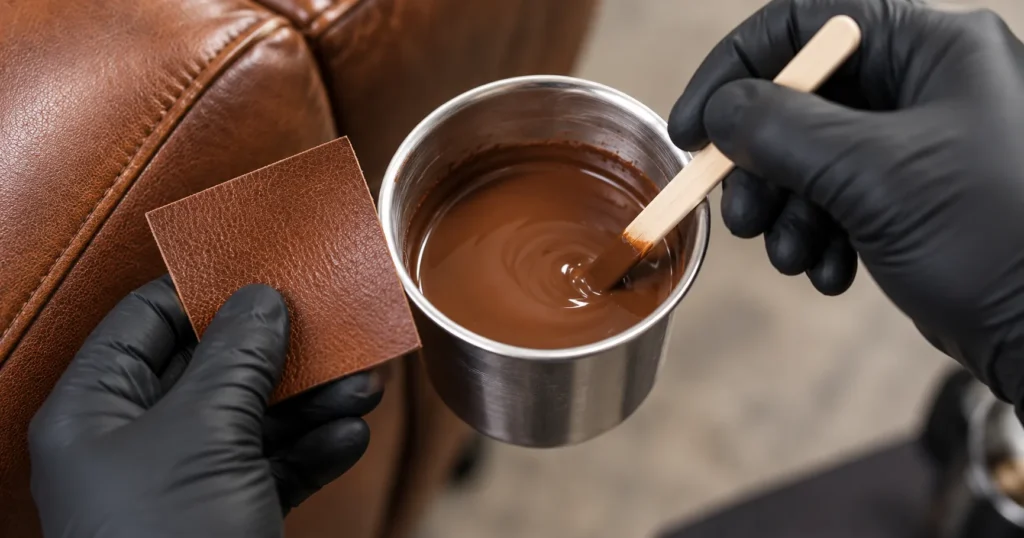 Any shade darkerTan to oxblood or cream to charcoal is standard and covers evenly.
 A new tone, same familyShifting warm to cool within a shade range, with the grain still visible.
Resists, or is best left alone
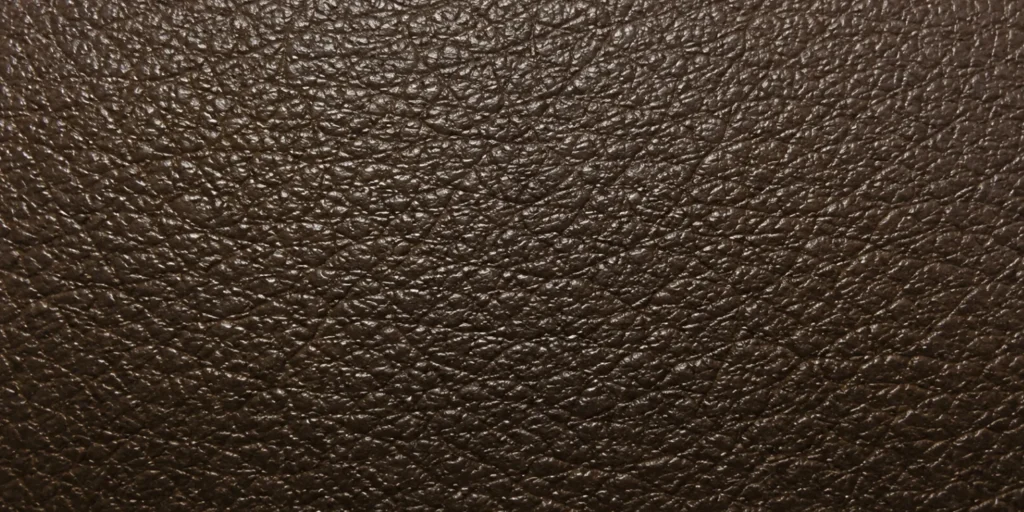 Coated fabricMarketed as leather, takes no color, and no scheme survives it flaking.
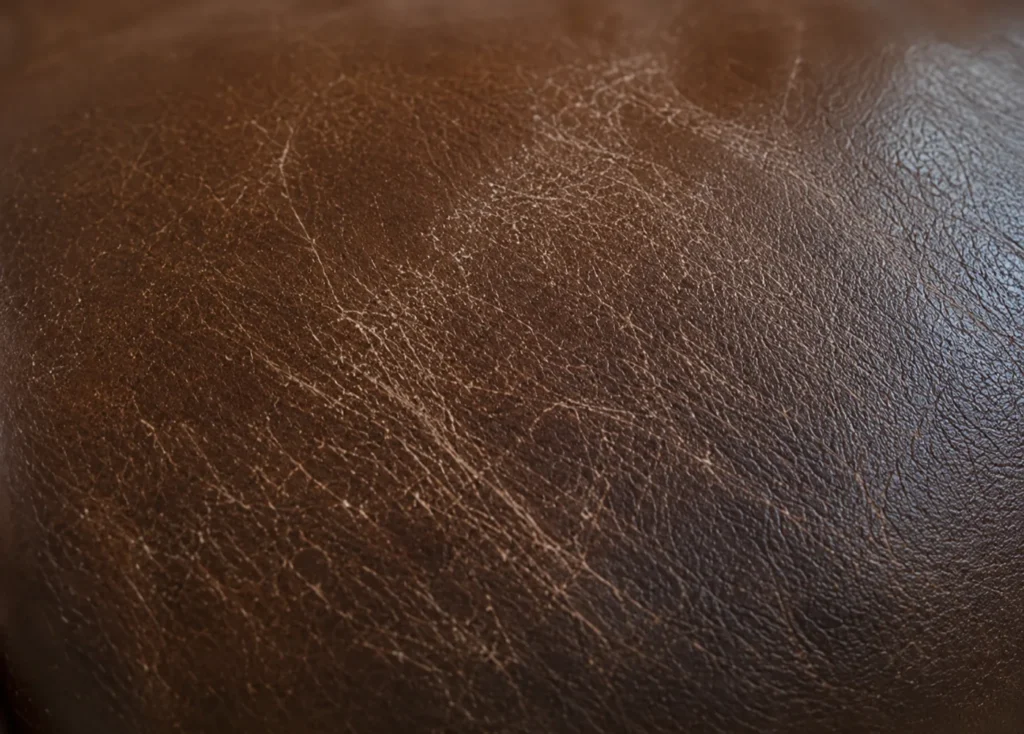 Crazed finishesColor over a cracked surface looks fine until the leather bends.
Photos, testing, sample, handoff
Share the piece and the scheme
One photo of each is enough for a straight yes or no.
We test the material
Confirming it will accept color at all before anyone makes promises.
A sample for the client
A cured drawdown to show them, not just a verbal description.
Ready on your timeline
Under your name, so the client hears about it from you.
Decorators rework. Designers specify new
When the project is a brand-new scheme planned from the ground up rather than existing furniture folded into one, our page for designers is the better fit. The technical side of color is covered on color restoration, and when a cover needs replacing entirely, that falls under commercial reupholstery.
Furniture Repair for Interior Decorators CT FAQ
Questions decorators ask before committing to a client.
Can a tan leather sofa become green?
Yes, and furniture repair for interior decorators CT clients book relies on that all the time. Darker is everyday work. Much lighter means rebuilding the surface, and sometimes that is not worth paying for.
How can I tell whether the piece will accept color?
Email a photo and we will let you know. Coated fabric, as opposed to real hide, will not hold dye, and we would rather tell you before any swatch reaches the client.
Does the client get to see a sample?
Yes, a cured drawdown you can show them yourself. Testing on the actual material is the whole reason for it.
Will you contact my client?
Only when you ask us to. Quotes and updates go to you, and we never hand your client our card.
Is re-dyeing less expensive than re-covering?
By a wide margin, if the material is suitable. If it is not, re-dyeing now and re-covering later ends up costing more than re-covering once.

Share the piece and the scheme
A single photo of each. That gives us enough to tell you honestly whether the room can keep it.
Or call (347) 310-7483 · office@leatherrestorepro.com