Home / Commercial / Programs / Emergency Repairs
Triage first, then a plan · ConnecticutEmergency Furniture
Repair CT
For damage that will not wait for the next scheduled round. Emergency furniture repair CT businesses ask about tends to be one of two different problems, and naming yours is what gets it sorted and planned properly.
Safety sorted from looksPhotographed for your recordsCall (347) 310-7483
A hazard is an emergency. A date is a deadline
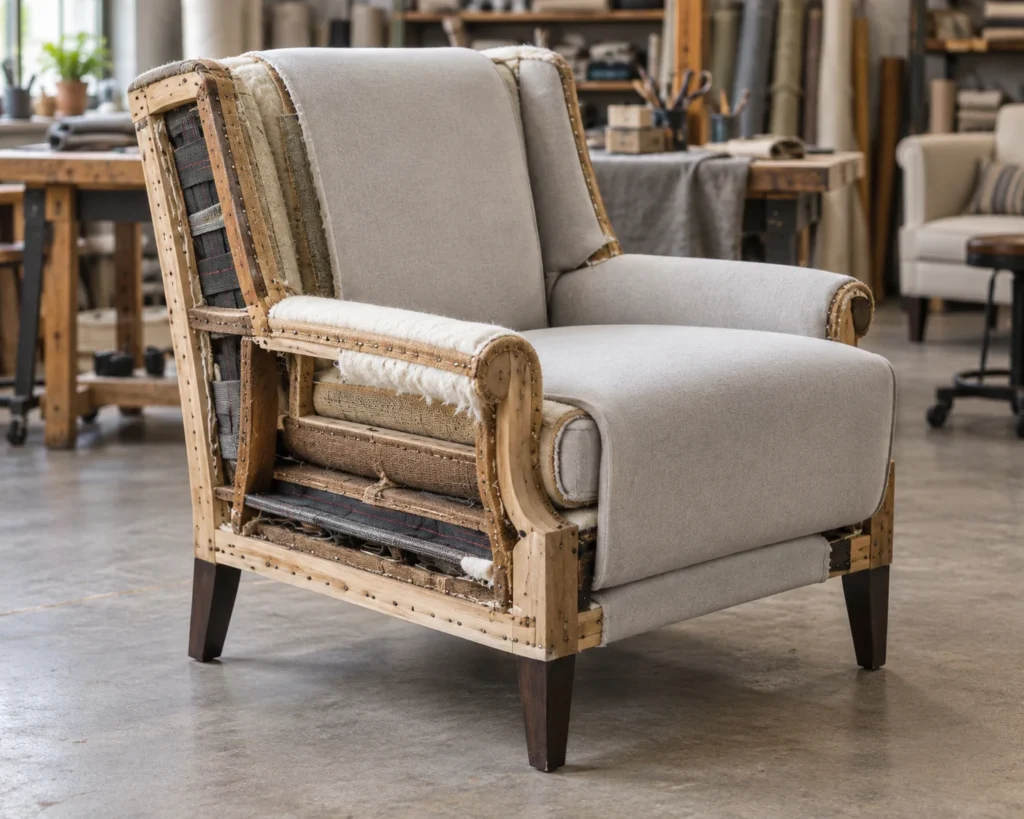
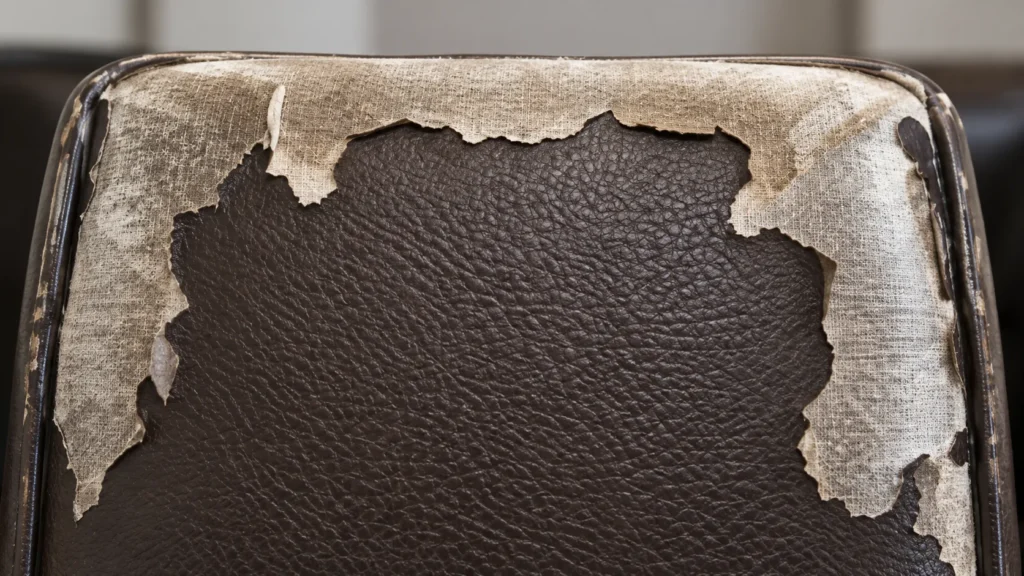
Some damage is a hazard: a torn seam that snags a sleeve, a bare frame edge at knee level, a recliner or swivel mechanism that has failed. A business has to act on those today, and the first step is one you can take yourself, which is pulling the piece out of use so nobody files an incident report. Other damage is about appearance: a stained seat before an important guest, a client meeting or a photo shoot. Nothing there is unsafe; the room just needs to look right by a set date. Both matter, but they are quoted and planned differently, and treating the second like the first is how a Stamford office ends up paying a rush rate for routine work.

Seams, frames, mechanisms and a big visit
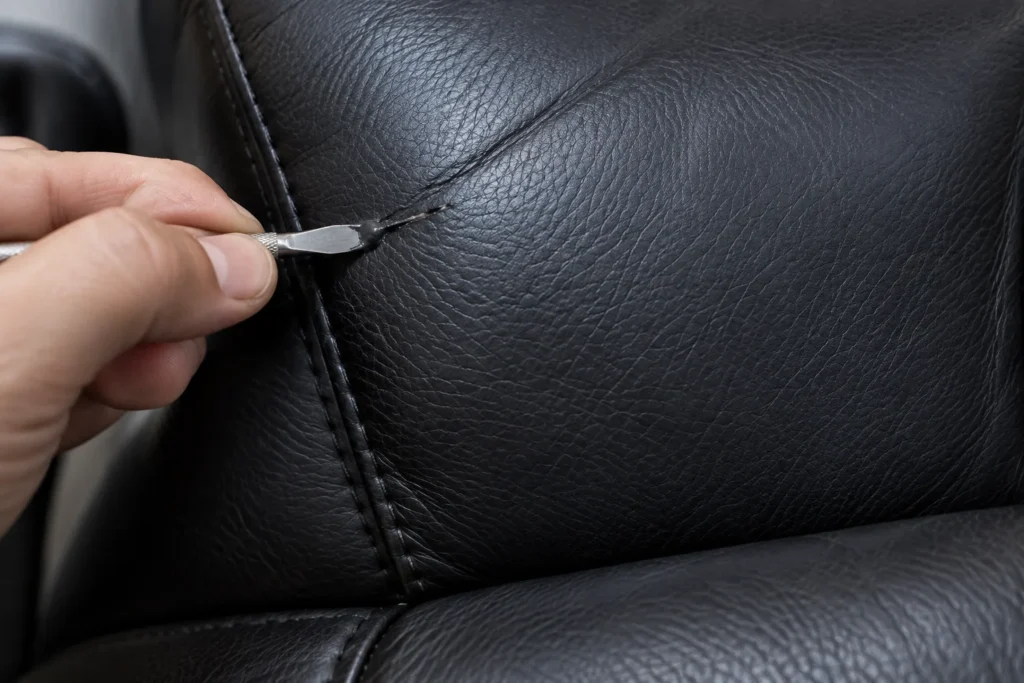
Emergency furniture repair CT businesses bring to us usually falls into one of these four groups, and the first three count as hazards whether or not anyone has spotted them yet.
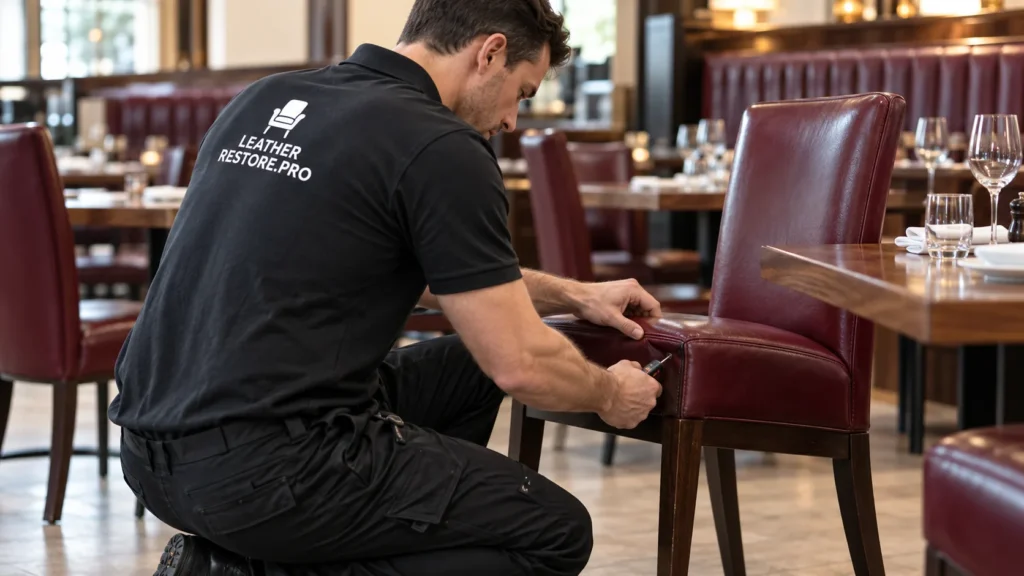
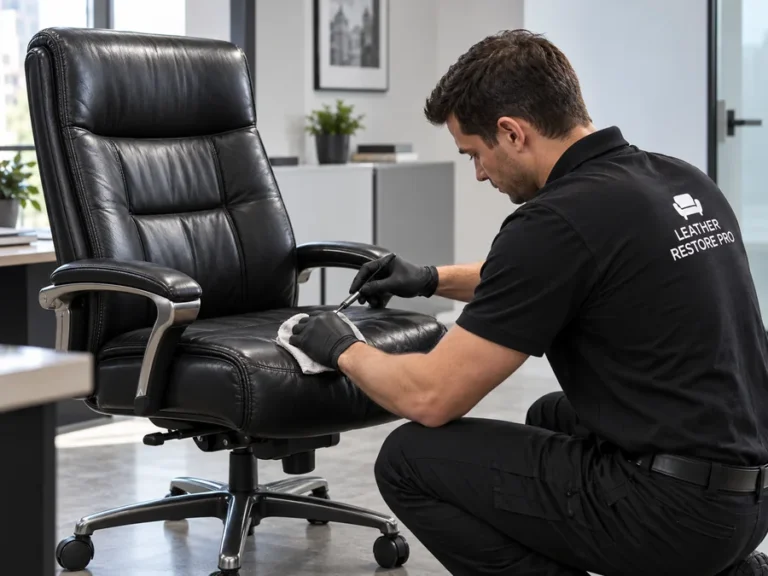

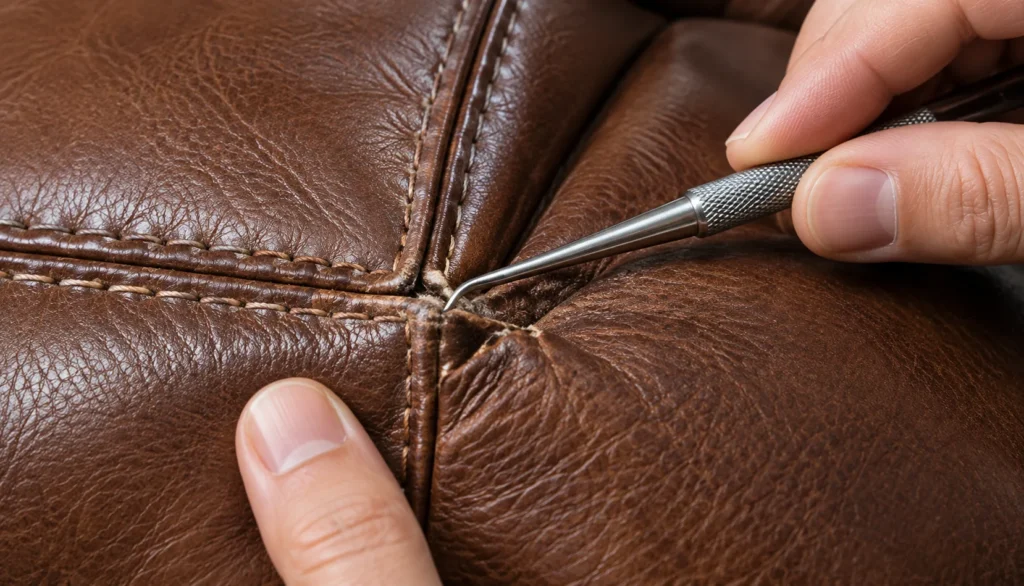
One column is a liability question
Anything on the left is a safety matter: take the piece out of use now, losing one seat to avoid an incident. The right column is a planning question, and it usually costs less booked as ordinary work.
Hazard: take it out of use
 Bare frameA hard edge within reach of a guest is a liability, not a cosmetic flaw.
 Failed structureA frame that has started to give will keep giving, usually with someone sitting on it.
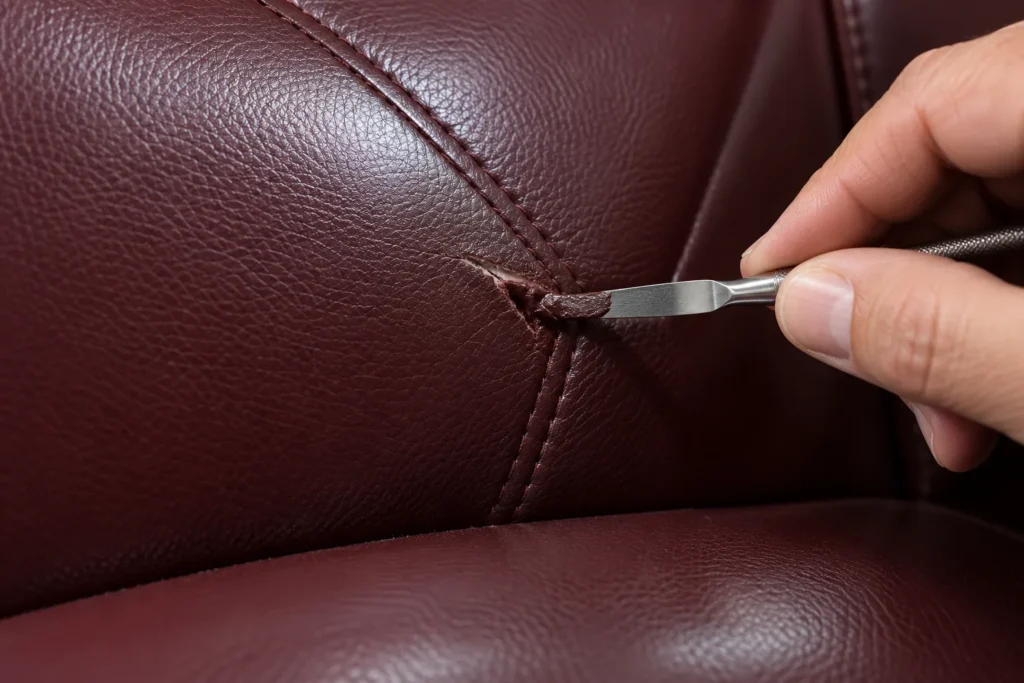 Snagging seamsA tear that grabs clothing is how a repair bill turns into a claim.
Deadline: put it on the calendar
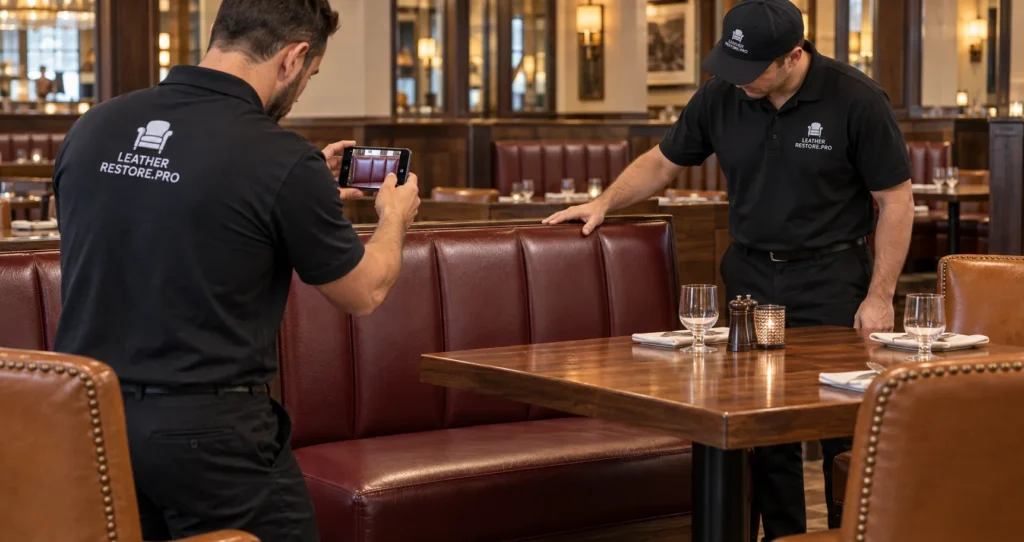 Looks offStains, fading or a patch that does not match, ahead of a visit or a shoot.
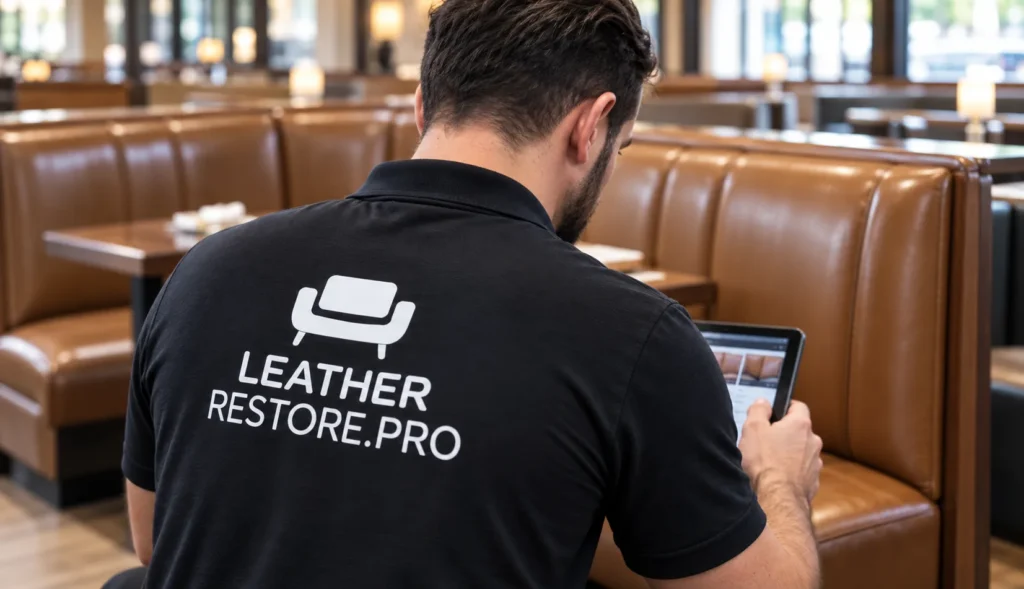 Has a date attachedAn inspection, an opening or a photographer decides the timing.
 Just one seatA single worn seat in an otherwise sound room can go in the next batch.
Photograph, sort, secure, repair
Send us a photo
Even a blurry one. It is usually enough to tell a hazard from a cosmetic issue.
Take it out of use
If it is a hazard, you do that yourself straight away. It does not wait on us.
Plan the repair
Sometimes in two stages, because a proper fix may need materials ordered.
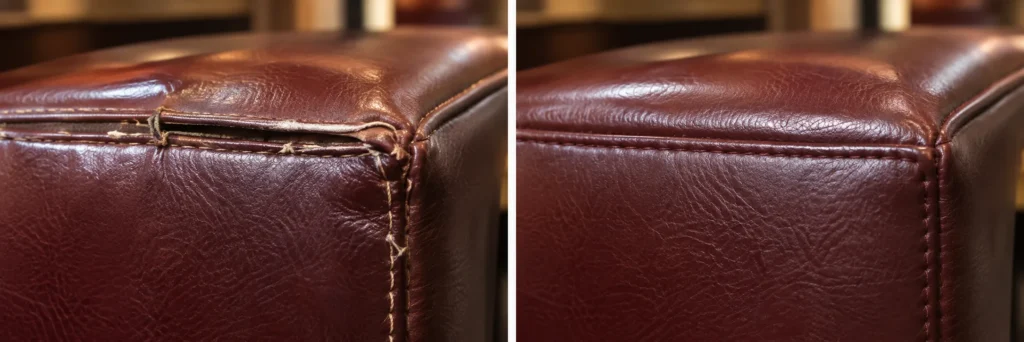
Recorded at both ends
Before and after photos for your files, in case questions come up later.
A program means fewer emergencies
Most damage that arrives as an emergency could have been spotted a month before. That is the core idea behind B2B programs and scheduled maintenance: you save by not paying rush rates for wear you could have seen coming, and the repair goes into a planned batch instead.
Emergency Furniture Repair CT FAQ
Questions businesses ask right after something breaks.
How can we tell if it is really an emergency?
Ask whether someone could get hurt or snag clothing on it. If so, it is a safety issue, and emergency furniture repair CT businesses arrange starts with pulling the piece from use. If it only looks bad, it is a deadline rather than an emergency, and it costs less.
Can we keep using the piece in the meantime?
Not with a bare edge, a broken frame or a seam that snags. Take it out of use right away. That costs you a single seat and spares you an incident report.
Can it be fixed in one go?
Sometimes. A proper repair may need material ordered or time for a finish to cure, which is why some jobs run in two stages. We will tell you which applies from the photos.
Is there an extra charge?
Work booked to a deadline is priced normally. If anything about a job would change the price, we say so up front rather than on the invoice.
Do we get records of the work?
Before and after photos come standard. For anything that could turn into a claim, that record can be worth more than the repair.

Send a photo and tell us which it is
A hazard or a deadline. Putting one of those words in your message gets you the right plan and the right price.
Or call (347) 310-7483 · office@leatherrestorepro.com