
Home / Commercial / Programs / Maintenance
Unexciting work, on a schedule · ConnecticutCommercial Furniture
Maintenance CT
Deep cleaning, conditioning, tightening and minor fixes that nobody ever spots. Commercial furniture maintenance CT businesses get value from costs little exactly because it is dull, and dull is the first thing a budget trims.
No drama involvedEvery cycle loggedCall (347) 310-7483

Low cost, because it is dull
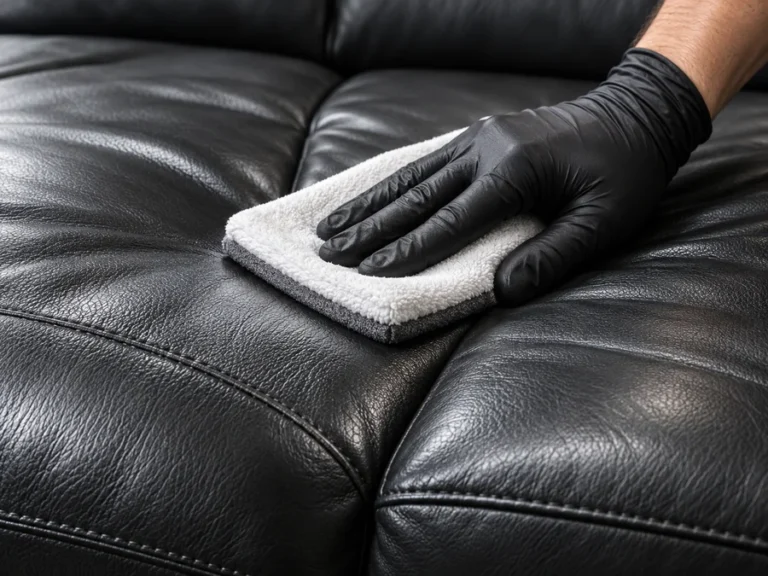
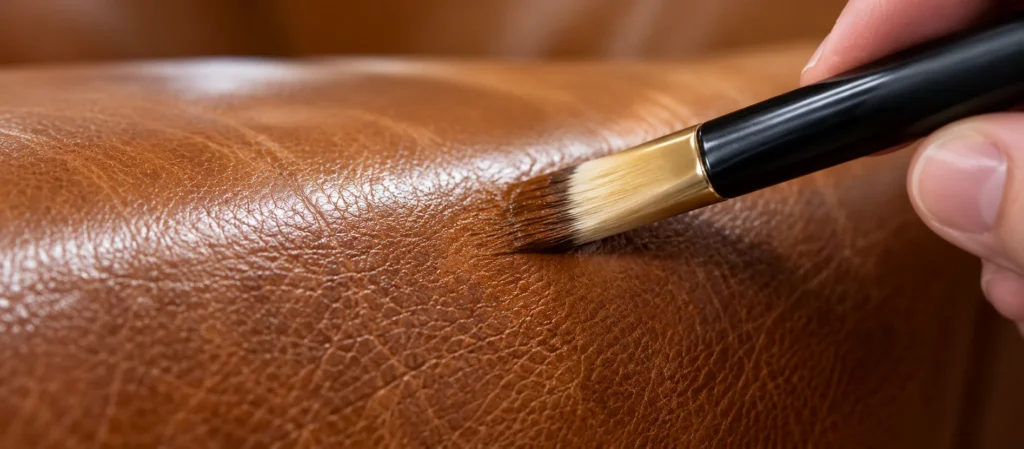
A maintenance cycle leaves nothing worth a photograph. A batch of pieces comes to our workshop on a date you choose. Seats are cleaned for real instead of wiped, thirsty leather is conditioned, loose screws and glides are snugged up, a seam is closed before it splits, a scuff is colored before it wears through. Then the batch goes back and the next one comes in. No one notices any of this, and that is the trouble: there is no visible before-and-after to defend the budget line. What it really does is push the costly repairs further out, and the only proof is setting this year’s condition log beside last year’s.
Lobbies, boardrooms, receptions and lounges
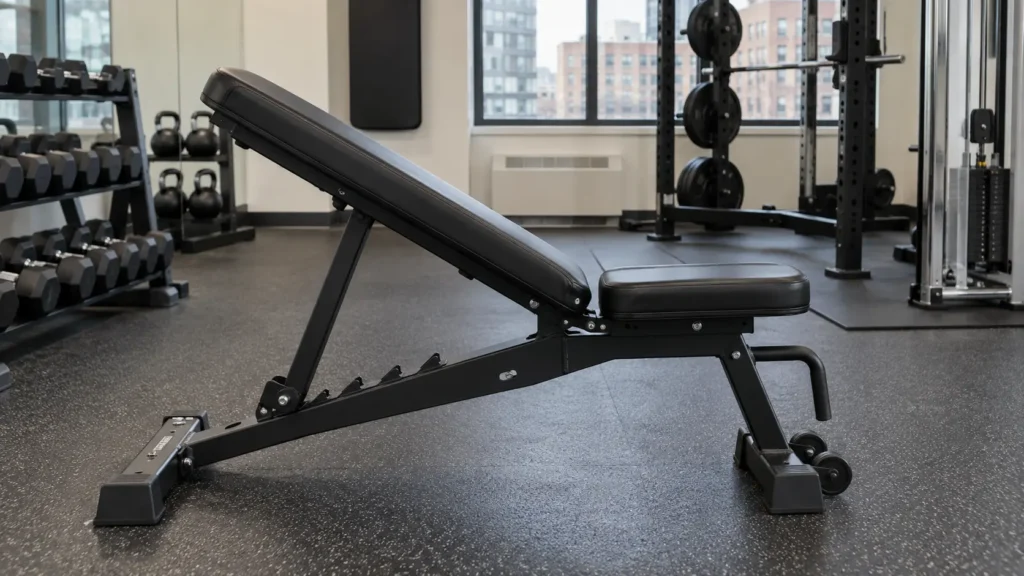
Commercial furniture maintenance CT clients benefit from most is in rooms where the pieces are costly, on show, and still holding up — the very point at which no one thinks to pick up the phone.

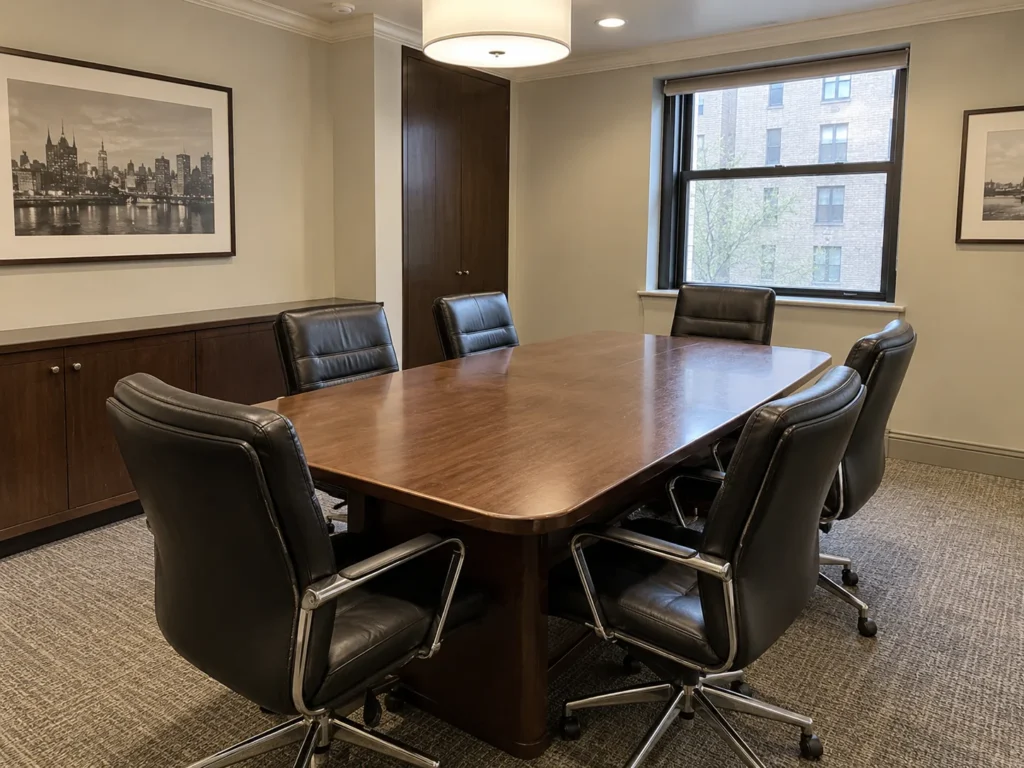


It delays wear. It does not undo it
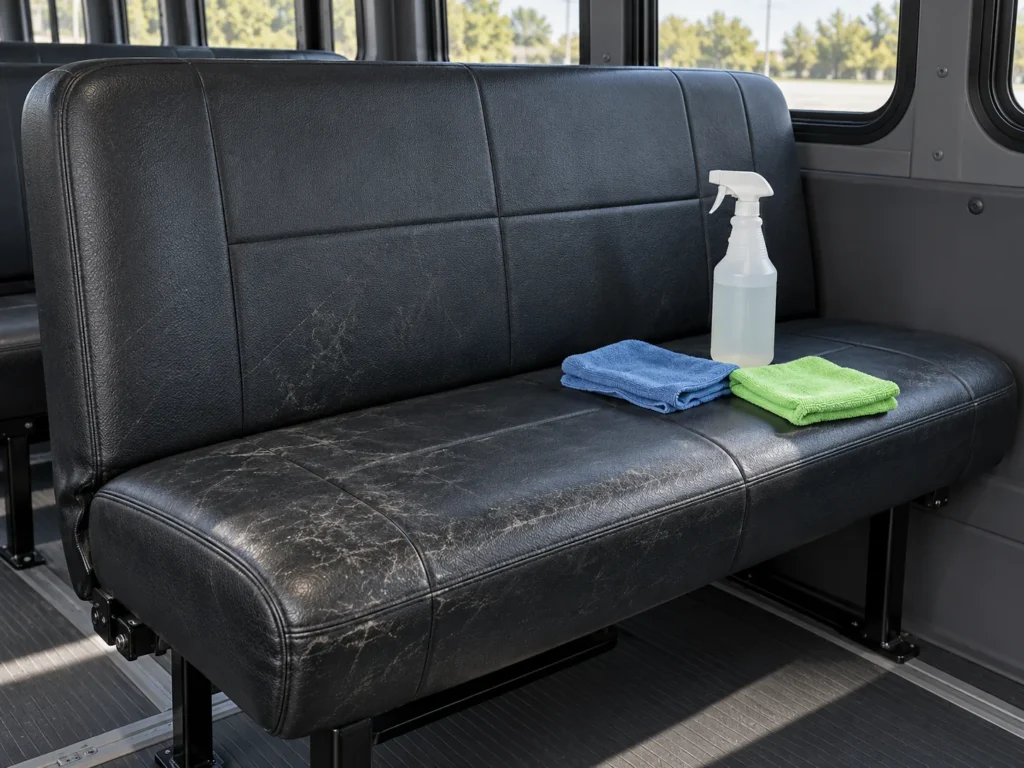
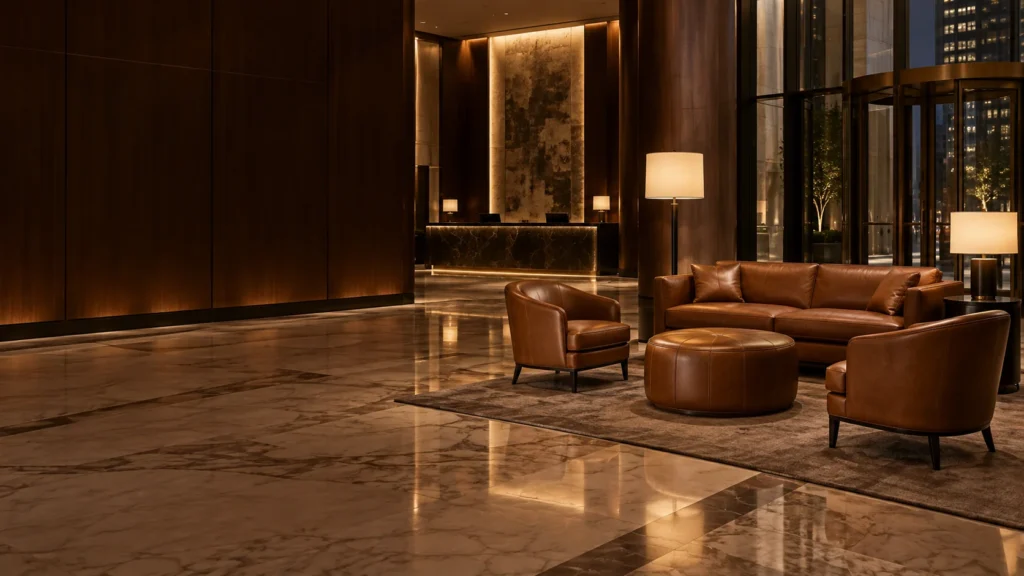
Maintenance adds years to material that is still healthy. On material that is already finished it adds nothing, and a program sold into a room like the one on the right just bills for cycles.
What it holds off
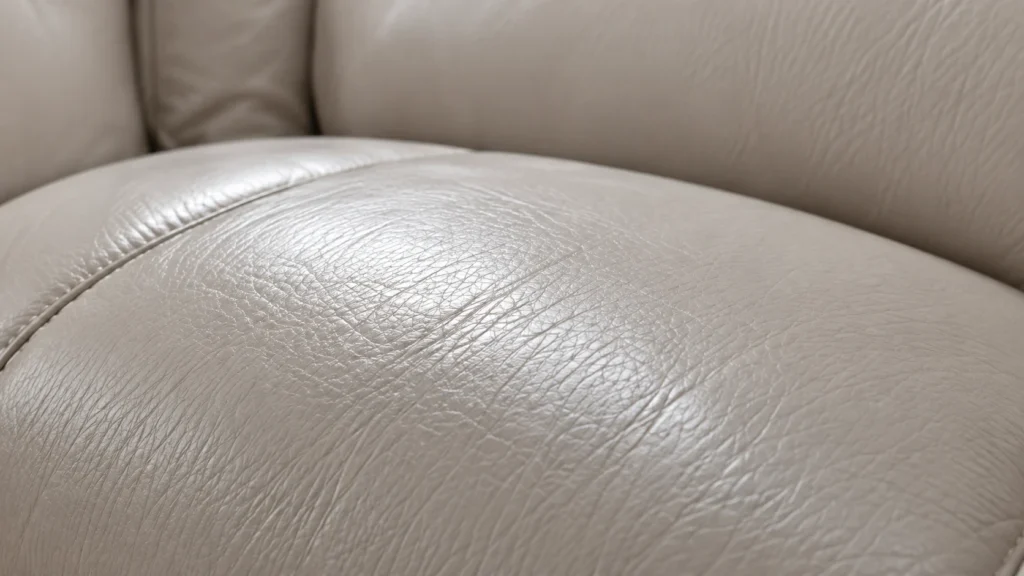 Drying outLeather conditioned on a schedule never gets dry enough to craze.
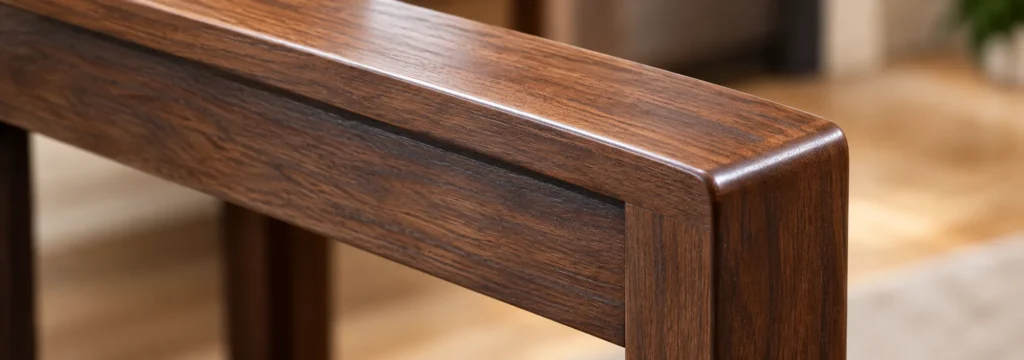 Worn edgesColoring a scuff this quarter keeps it from becoming bare wood next year.
What it cannot save
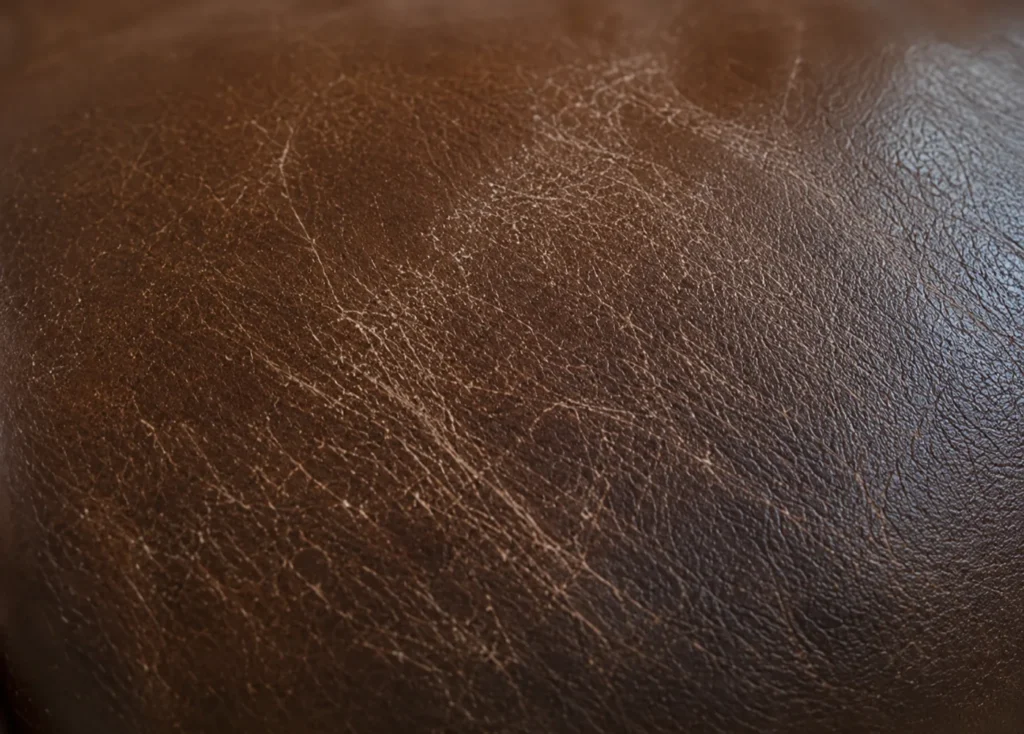 Crazing that has set inWhen the finish has cracked into a web, cleaning only tidies it.
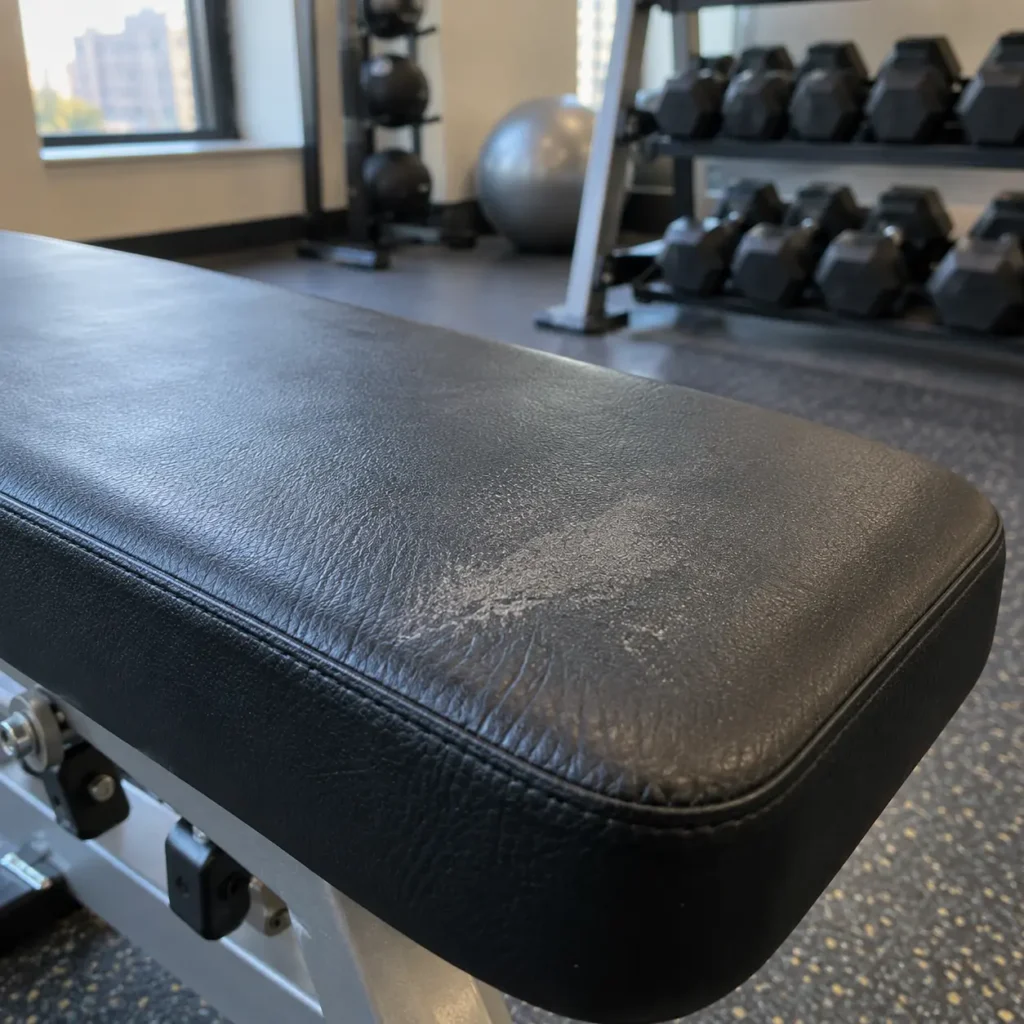 Worn-out vinylNo cycle restores lost plasticizer. Chalky vinyl has run out of time.
Clean, condition, tighten, record
Cleaning comes first
Thoroughly, with chemistry suited to the material on the bench.
Condition where needed
Dry leather only. Vinyl and fabric get a protectant, not conditioner.
Tighten and patch
Screws, glides, a seam, a scuff. The plain half of the job.
Record the condition
So a year from now you can tell whether the schedule is paying off.
The work, and the paperwork behind it
This page covers what each cycle includes. The agreement that sets the schedule is a contract, and anything that cannot sit until the next batch gets triaged under emergency repairs. If the material is beyond help, the real choices are restoration or new covers.
Commercial Furniture Maintenance CT FAQ
Questions businesses raise about maintenance.
What does one maintenance cycle include?
A batch of pieces is cleaned properly, dry leather is conditioned, fixings are tightened, and the one or two small repairs that would otherwise spread get done. Commercial furniture maintenance CT cycles are kept deliberately plain, and that is why they cost little.
How often should it happen?
The air matters more than the foot traffic. A dry lobby with heavy air conditioning needs conditioning more often than a crowded restaurant, which catches most people off guard.
Our cleaning crew already wipes everything. Is that not enough?
No, and at times it is the cause. The wrong product on a cloth is how finishes get stripped, so the first cycle includes asking what your crew uses.
Will maintenance rescue seating that has started cracking?
No. When a cover cracks as it flexes, cleaning is only cosmetic. We would rather say so than sell you a schedule for it.
How do we make the case to management?
Use the condition log. Putting this year next to last year is the only way an avoided repair shows up on paper.
Try one batch, then decide
One batch of pieces, returned with a condition log, shows whether a schedule is worth it better than any proposal could.
Or call (347) 310-7483 · office@leatherrestorepro.com